Maji na Ufanisi | Clean Water, Dignity and Resilient Communities
Water. Sanitation. Human dignity.

Clean Water.
Dignity. Hope.

When a community gains safe water and sanitation, children stay in school, women reclaim time, families become healthier, and hope becomes something people can build on.

Guided by our vision, “Water for All,” Maji na Ufanisi works to lead and influence Kenya’s WASH sector through resilience, governance, knowledge management, and best practice.

Community-led solutions Audited reporting US tax-deductible giving available
Since 1997Nearly three decades of Kenyan WASH leadership and community partnership
100+Community-based organisations engaged and strengthened
101Water structures documented through one major ASAL programme
Multi-countyUrban, rural, school, ASAL, climate, research, and inclusion work across Kenya
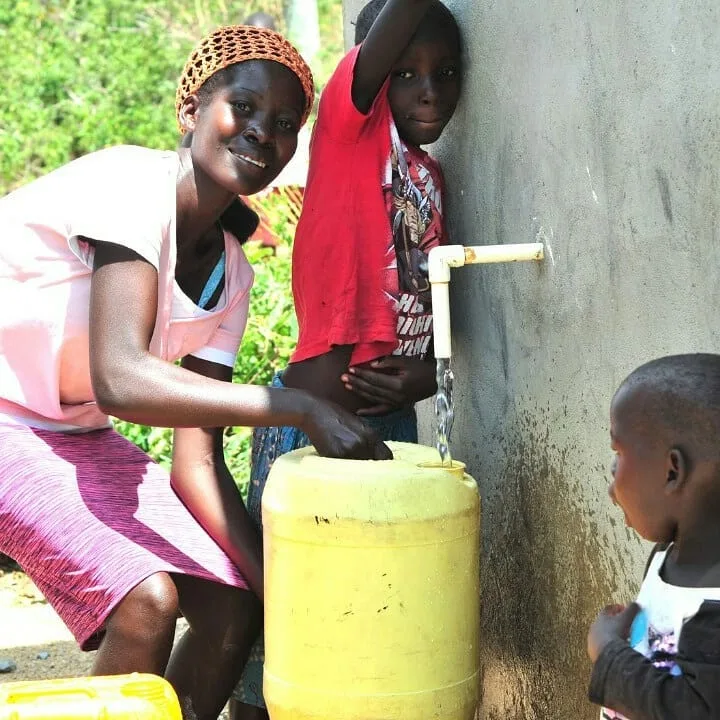
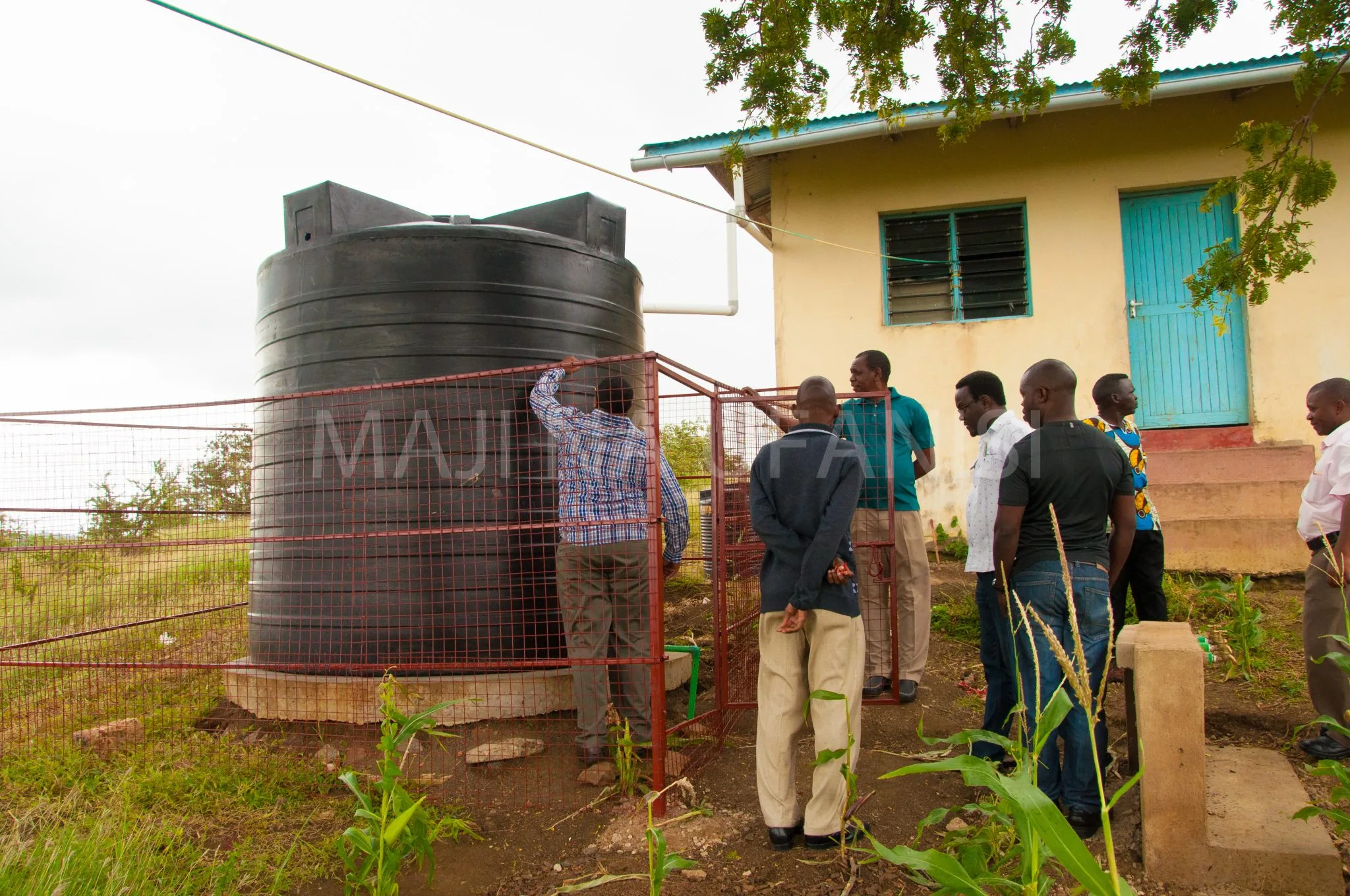
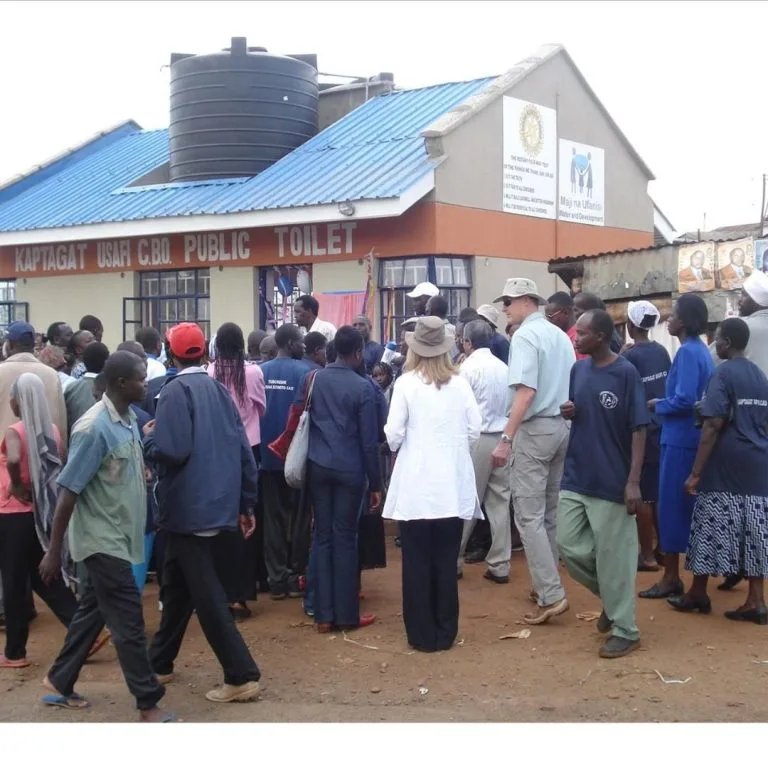
Community water and sanitation project Community members benefiting from improved water access
Founded in 1997 · About Maji na Ufanisi

Water should unlock possibility, not limit it.

Founded in 1997, Maji na Ufanisi works alongside underserved communities to improve access to safe water, dignified sanitation, menstrual health, climate resilience, disability inclusion, and sustainable development.

We begin by listening. Communities know their realities best. Together, we identify practical solutions, strengthen local ownership, and build systems designed to last beyond the first intervention.

A water point is not only infrastructure. It can mean fewer illnesses, more time in school, safer communities, and a stronger foundation for local progress.
Our formal direction

A clear mission. A memorable vision.

These statements guide how Maji na Ufanisi works with communities, institutions, partners, and supporters.

Our Vision

Water for All

Our vision expresses the future we work toward: equitable access to safe water, sanitation, and dignified living for every person.

Our Mission

Leadership that strengthens Kenya’s WASH sector.

“To be a leader in the water and sanitation sector (WASH), influencing resilience, governance, knowledge management, and promoting best practices in environmental sanitation in Kenya.”

What we do

Locally grounded solutions with lasting impact.

Across five core programme areas, from dense urban settlements to schools, rural areas, climate-vulnerable communities, research and advocacy, our work responds to realities people face every day. Community partnership is the approach that sustains them all.

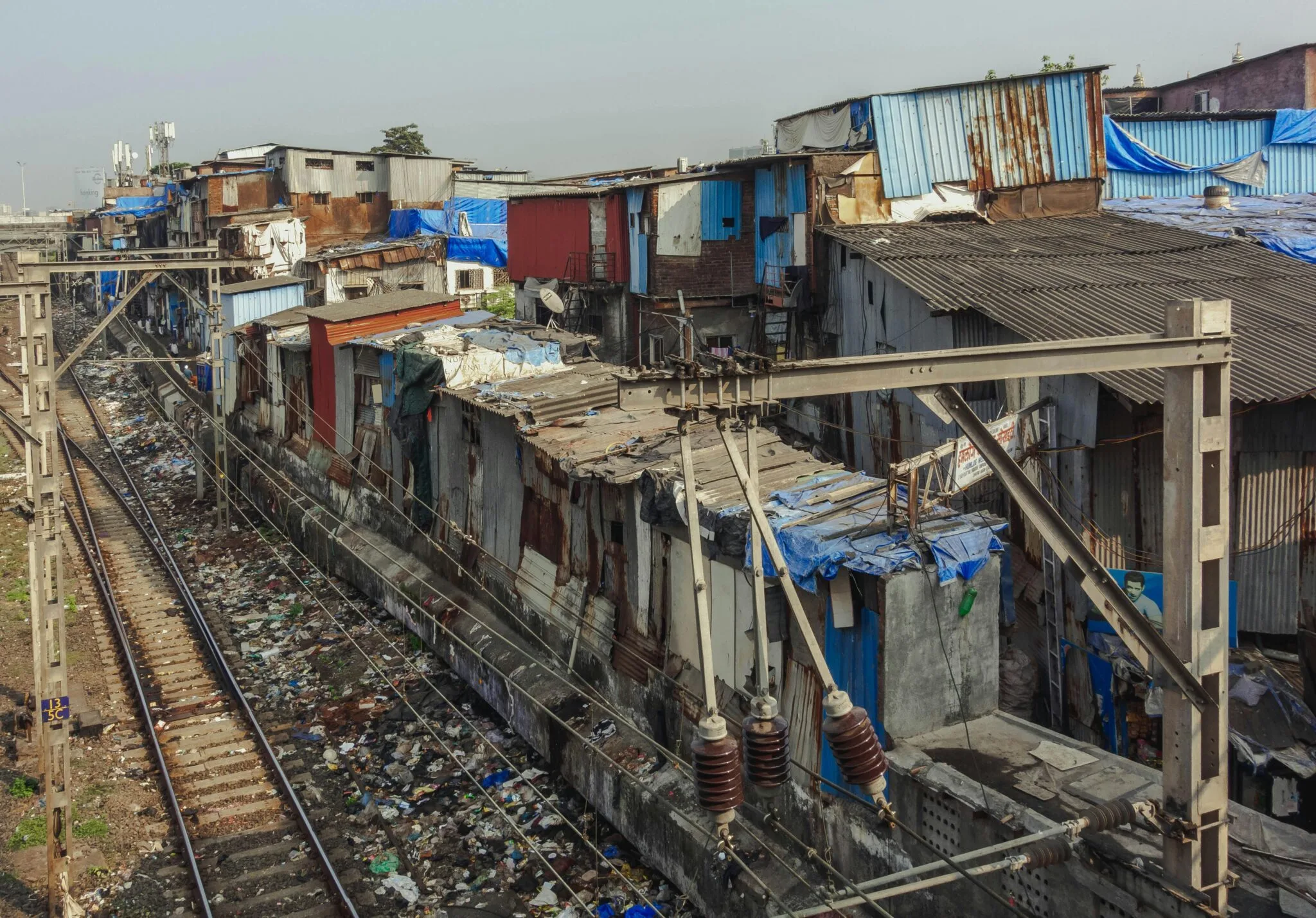
Urban WASH

Urban WASH

Community-led water, sanitation, and hygiene improvements for underserved urban neighborhoods.

Learn more →
School WASH

School WASH & Menstrual Health

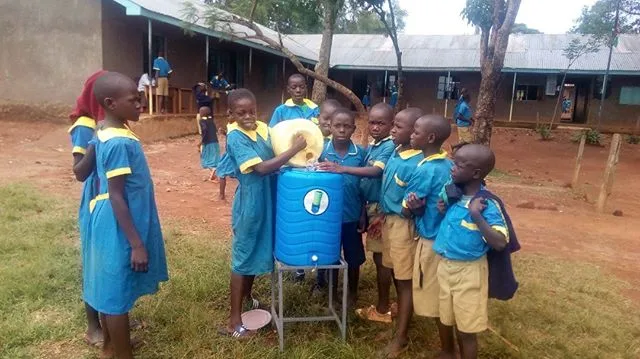
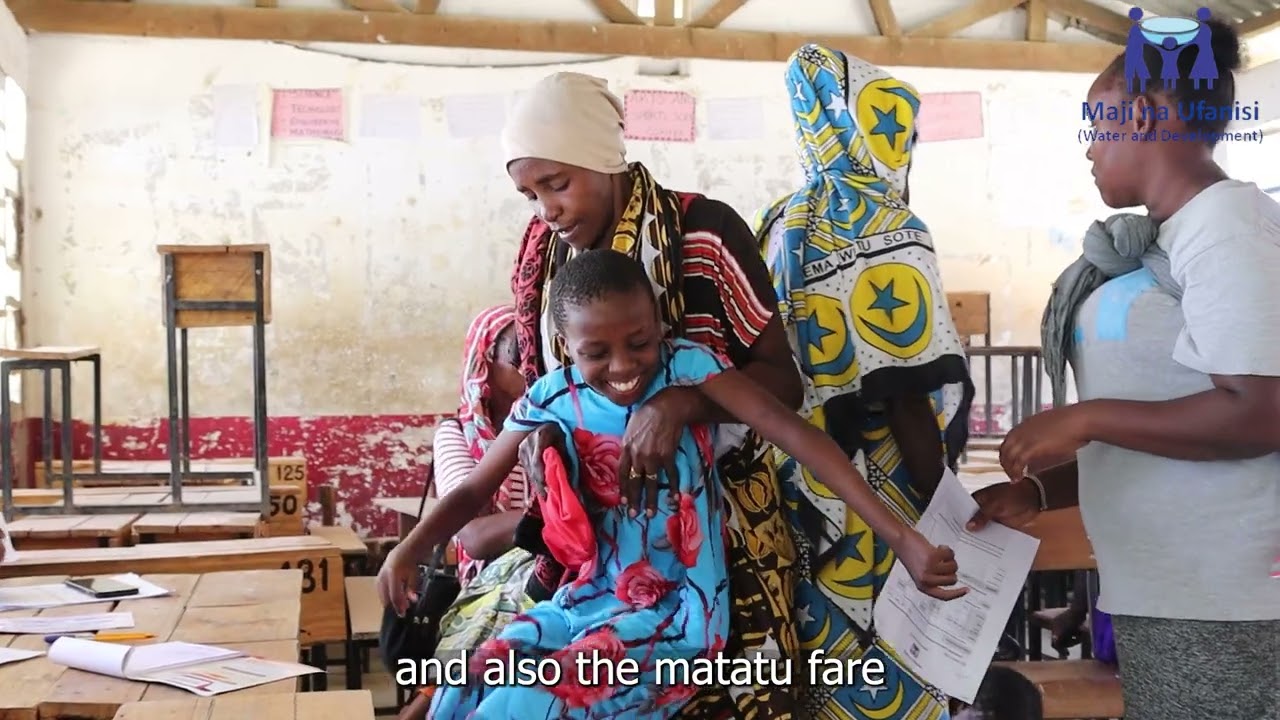
Safer, more dignified learning environments that help children, especially girls, remain in school.

Learn more →
ASAL water project

ASAL & Rural WASH

Reliable water and sanitation solutions for rural, arid, and semi-arid communities.

Learn more →
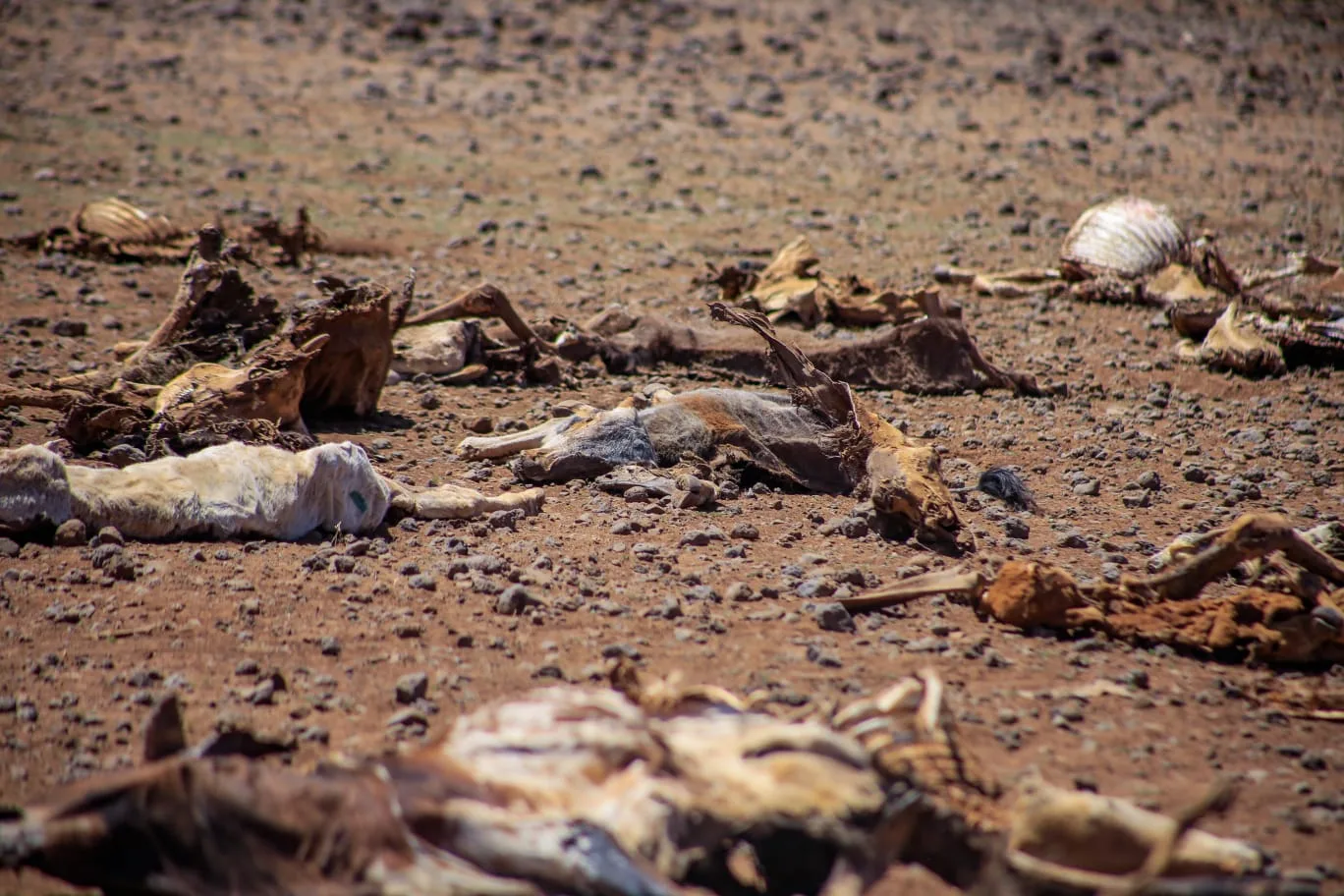
Climate resilience

Climate Adaptation & Resilience

Helping communities prepare for climate pressure and protect essential water resources.

Learn more →
Research and advocacy

Research & Advocacy

Evidence, partnerships, and practical learning that strengthen better WASH decisions.

Learn more →
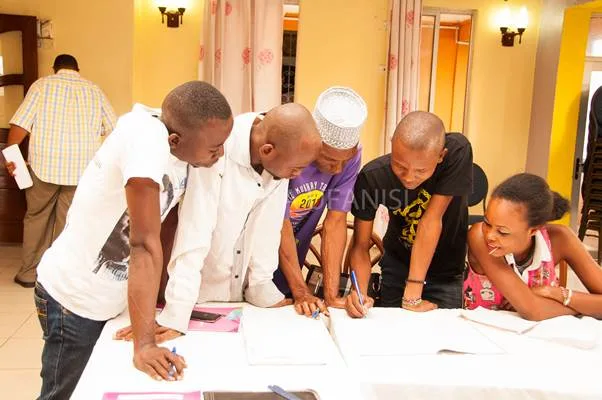
Community partnership

How We Work: Community Partnerships

Our cross-cutting implementation approach builds local capacity so progress is owned, protected, and sustained.

Learn more →
Dignity and inclusion

Restoring access, dignity, and belonging in Jomvu.

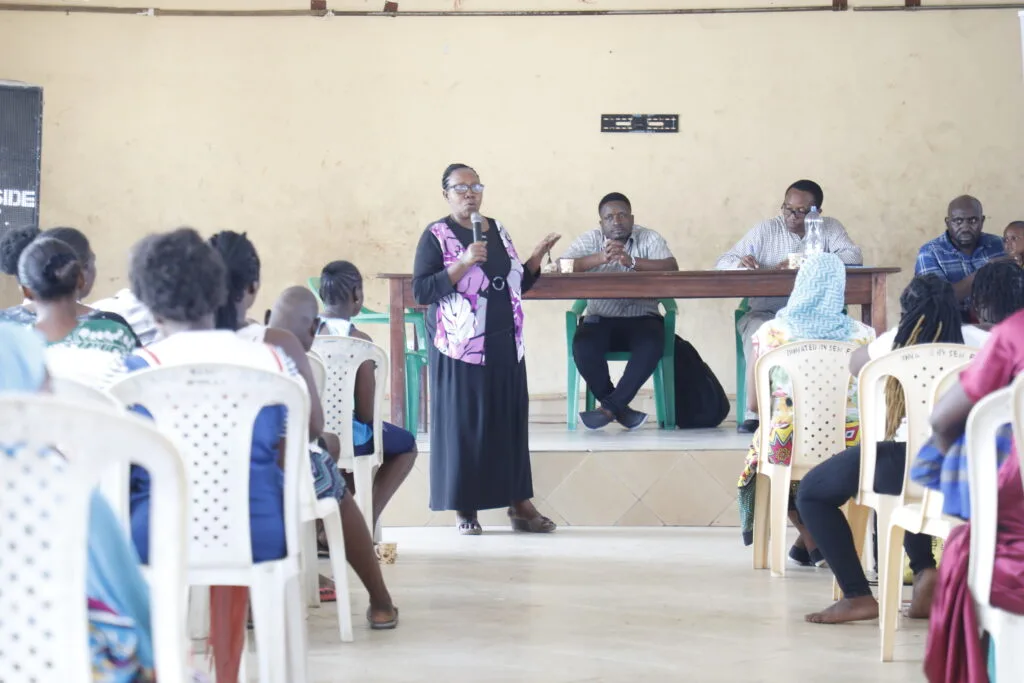
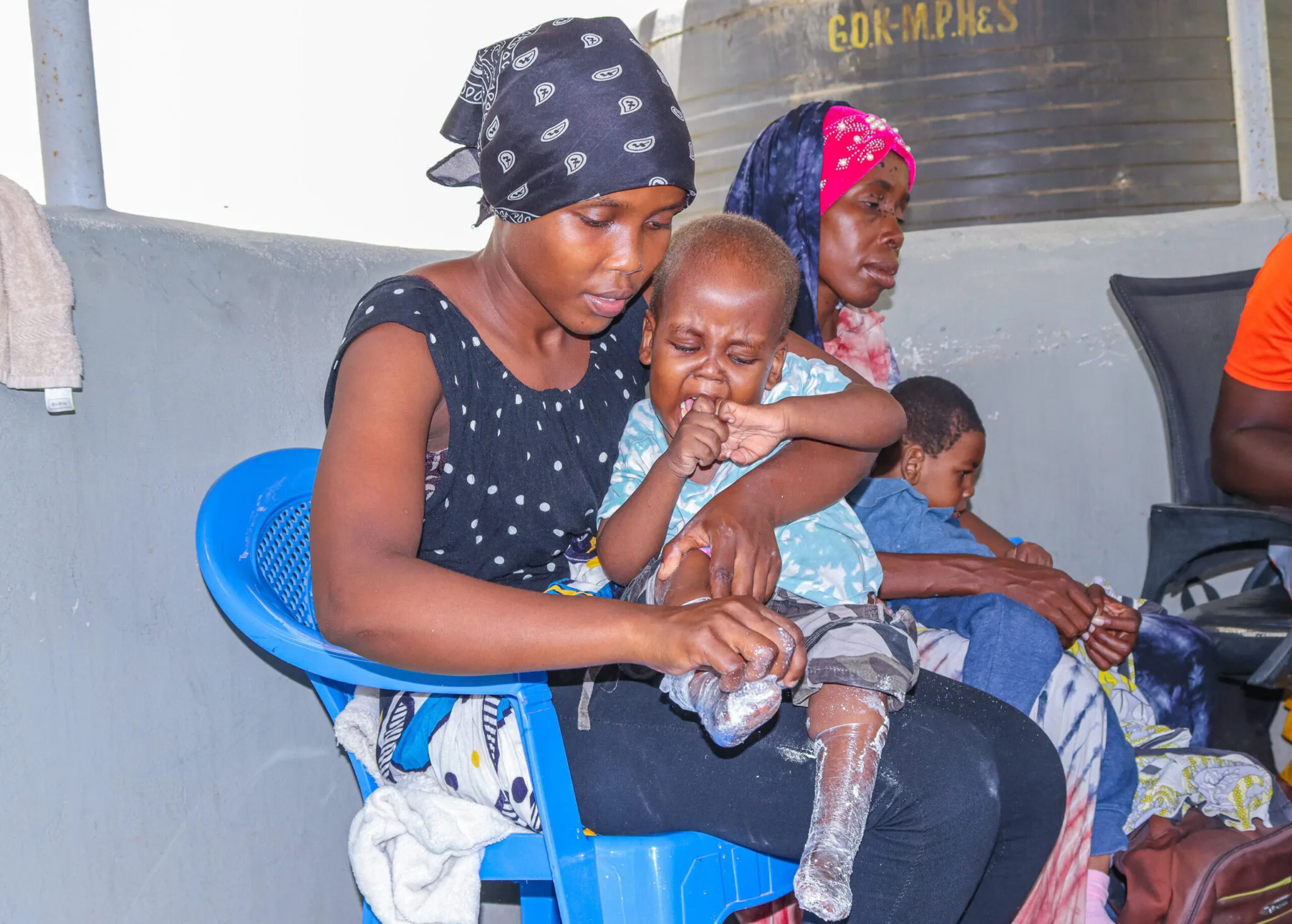
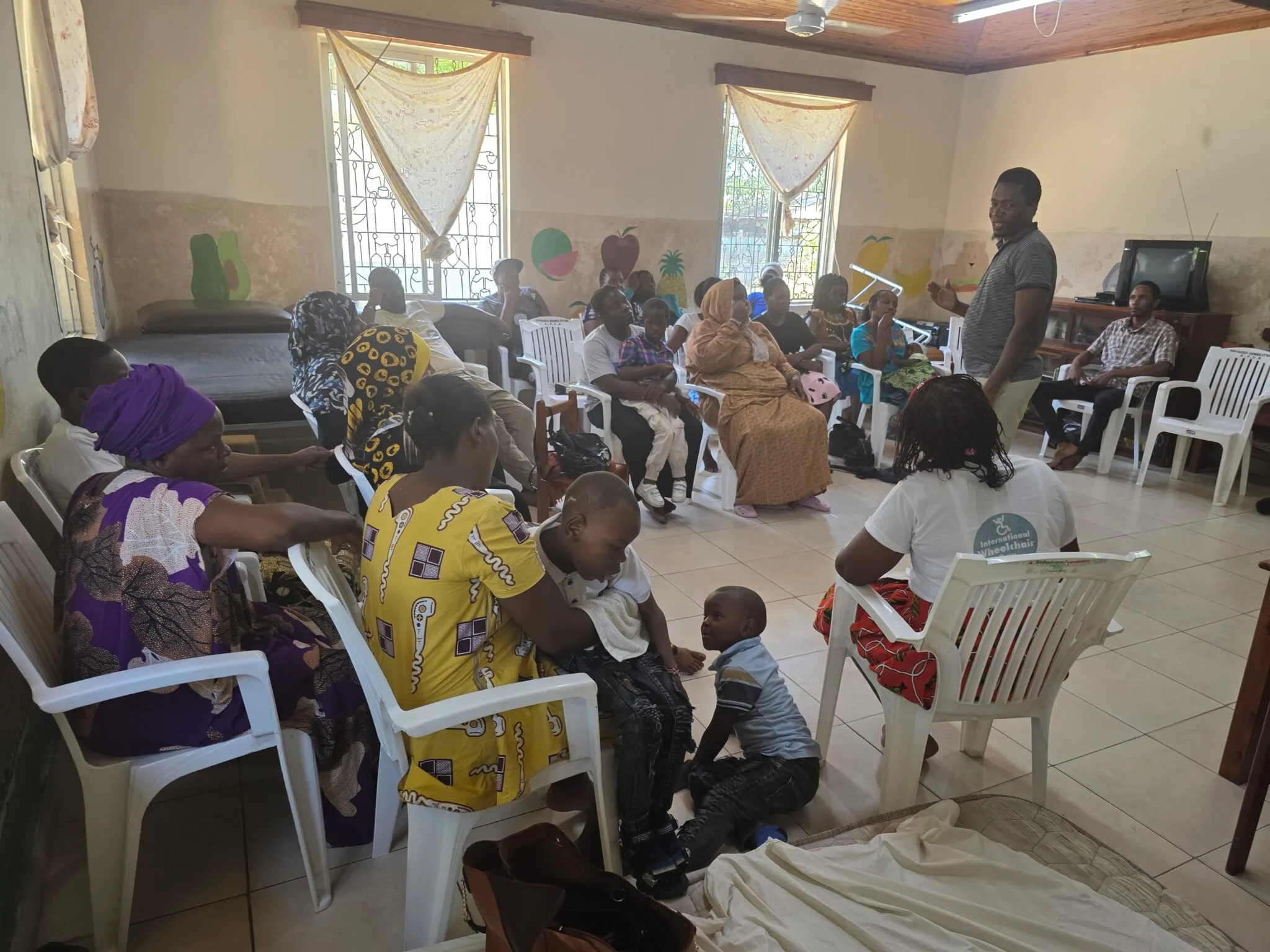
In Bogobogo, Jomvu, Maji na Ufanisi and the Hungarian Charity Service of the Order of Malta are helping people with disabilities and vulnerable families gain better access to support, inclusive services, and renewed hope.

When support reaches people who are often overlooked, it does more than solve an immediate problem. It sends a powerful message: you matter, your dignity matters, and your future matters.

Disability outreach in Jomvu
Projects you can support

Choose the change you want to help create.

Explore current initiatives and support the school, community, or program that speaks most strongly to you.

New Hope School

New Hope School, Bogobogo

Help improve learning, safety, and dignity for children in Jomvu.

View project →
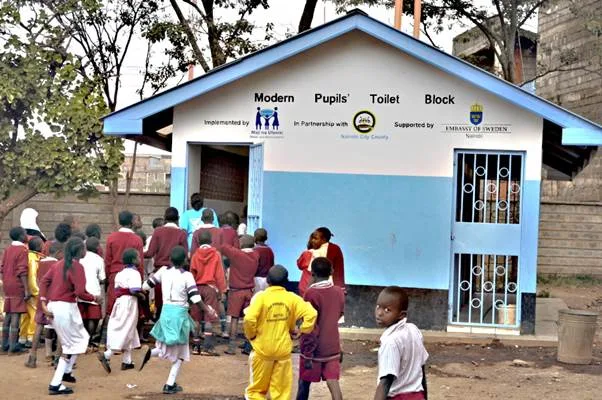
Mwiki Primary School

Mwiki Primary School

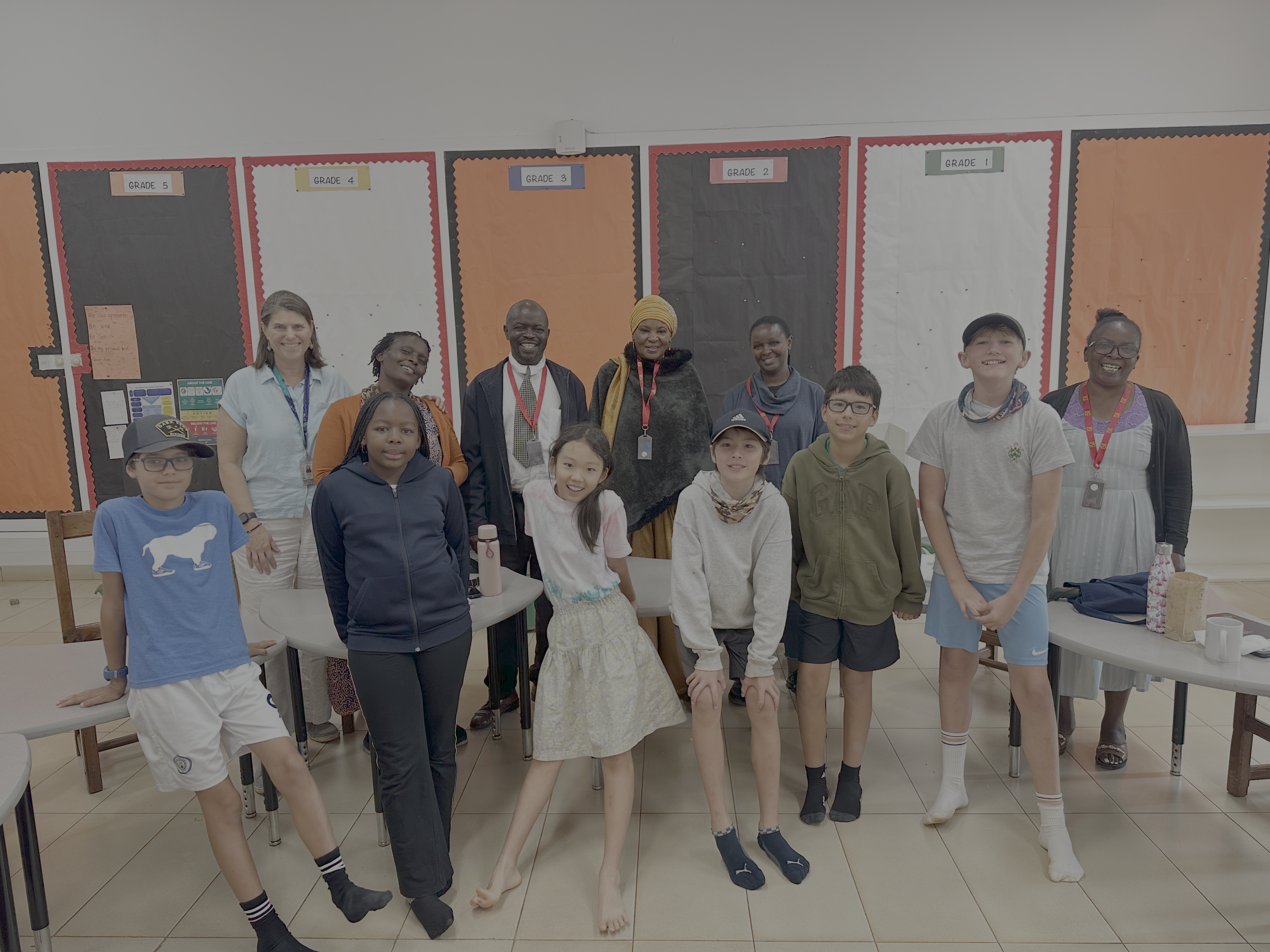
Support a safer, healthier school WASH transformation in Kiambu County.

View project →
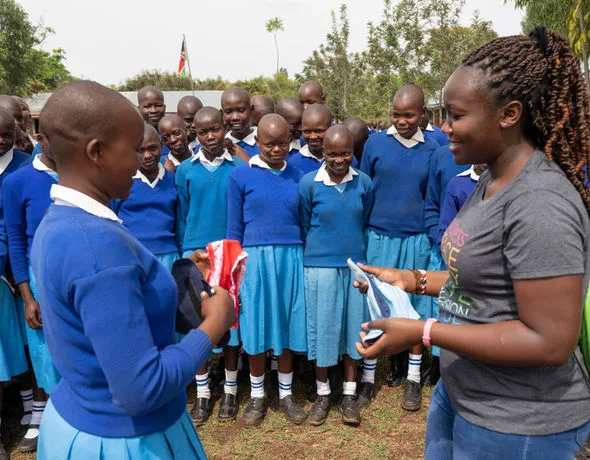
Menstrual health

Menstrual Health Management

Help girls participate in school with confidence, safety, and dignity.

View project →
ASAL water project

Water for Arid and Semi-Arid Lands

Support reliable water access for climate-vulnerable communities.

View project →
Thika Primary School

Thika Primary School

Support a school-based WASH transformation in Kiambu County.

View project →
Community-rooted work across Kenya
Where we work

Local knowledge. Multi-county reach.

Maji na Ufanisi works in communities where water insecurity, sanitation gaps, climate pressure, school health needs, and exclusion create daily barriers.

Our approach adapts to context. Urban settlements need different solutions from rural schools or arid regions. That is why local assessment and community participation come first.

Explore Where We Work →
Our journey

Built through experience, partnerships, and community trust.

Maji na Ufanisi’s growth reflects a steady commitment to practical solutions, institutional learning, and stronger community systems.

1997 — Maji na Ufanisi founded

A Kenyan organisation established to advance water, sanitation, environmental health, and community development.

2000s — Rural and ASAL water programmes expand

Community water systems, local capacity building, hygiene promotion, and climate-sensitive approaches reach underserved areas.

2010s — Urban and school WASH deepen

The organisation strengthens sanitation, hygiene, youth engagement, school health, menstrual dignity, and inclusive public facilities.

2015 — AfricaSan recognition in Mombasa County

The Kongowea WASHEM initiative is recognised as one notable success story within a much broader national portfolio.

Late 2010s — Research and climate resilience grow

Maji na Ufanisi expands evidence generation, policy engagement, climate adaptation, and learning across programmes.

2020s — Inclusion and wider partnerships

Disability inclusion, school partnerships, fiscal sponsorship, research, and community-led WASH continue to strengthen the organisation’s reach.

Maji na Ufanisi community work

1997

The year our journey began

Why nearly three decades of experience matter.

Communities do not need short-term fixes that disappear when funding ends. They need partners who have learned from different regions, technologies, institutions, and generations of implementation.

Since 1997, Maji na Ufanisi has combined direct service delivery with local capacity building, research, advocacy, public participation, social enterprise, and institutional partnership.

Explore Our Story →
100+Community-based organisations engaged and strengthened
101Water structures documented through one major ASAL programme
5Core programme areas spanning urban, school, rural, climate, and research work
Multi-countyProgrammes and partnerships adapted to different Kenyan contexts
How we implement projects

From community priorities to measurable, sustainable change.

A strong project is not only installed. It is understood, owned, maintained, monitored, and improved.

See Our Full Approach →
Step 01Listen and assessUnderstand needs, risks, assets, and local priorities.
Step 02Co-design with communitiesDevelop practical solutions with the people who will use and sustain them.
Step 03Mobilize partners and resourcesAlign technical, financial, and local capacity.
Step 04Implement transparentlyDeliver projects with clear roles, participation, and accountability.
Step 05Monitor and learnTrack progress, identify gaps, and strengthen delivery.
Step 06Assess and report impactDocument outcomes, lessons, and next steps for long-term value.
Why support Maji na Ufanisi

Your trust deserves evidence.

Donors want confidence that support is handled responsibly and directed toward meaningful work. That is why transparency, documented learning, and accessible reporting matter.

Field experiencePractical knowledge of water, sanitation, hygiene, climate, and community systems.
Local ownershipProjects are shaped with communities, not simply delivered to them.
Strong partnershipsCollaboration with institutions, community organizations, and development partners.
Financial accountabilityAudited reporting supports responsible stewardship.
Inclusive developmentAttention to women, children, people with disabilities, and underserved groups.
Long-term thinkingSolutions are designed to build resilience and continue serving communities.
Confidence before commitment

More reasons supporters can give with confidence.

Audited financial reporting

Supporters can review reports and see a clear commitment to responsible stewardship.

Community-led implementation

Projects are shaped with local communities and community-based organizations.

Recognized partnerships

Work is strengthened through collaboration with institutions and technical partners.

US fiscal sponsorship

Selected projects offer a giving route for eligible US tax-deductible donations.

Project-specific giving

Donors can choose the school, community, or program they want to support.

Visible project evidence

Stories, photographs, updates, and reports help supporters understand the work.

Institutional capacity

Established systems, local context, and implementation experience strengthen delivery.

Accessible human contact

Donors and partners can contact the team before making a commitment.

Named partner and public-sector voices

Recognition across partnership, inclusion, and community-led delivery.

The examples below reflect different parts of Maji na Ufanisi’s work. Kongowea is included as one notable Mombasa County success story—not as the organisation’s entire identity.

COUNTY PARTNERSHIP
“We have agreed to forge a strong vibrant partnership between the County Government, Mvita Constituency and Maji na Ufanisi… to create jobs for the youth using the Kongowea WASH model.”
AJ
Ali Hassan JohoThen Governor, Mombasa County
UNICEF WASH
“I am glad to be associated with Maji na Ufanisi, the County Government of Mombasa and KOMAWASA youth, particularly through the achievement of winning this Award.”
SS
Shiva Narain SinghThen Chief of WASH, UNICEF
COMMUNITY ADVOCACY
“It’s quite very informative. Let’s support our girls for quality education and life.”
JK
Judith KitutaReader and menstrual-health advocate
Tax-deductible giving

Support fiscally sponsored projects from the United States.

Eligible donations made through Maji na Ufanisi’s US fiscal-sponsorship pathway may qualify for US tax-deductible treatment under the fiscal sponsor’s 501(c)(3) framework. Direct donations made through Kenya or global payment routes do not carry US tax benefits.

Partnership makes progress possible

Trusted by communities. Strengthened by collaboration.

Our work has been strengthened by community organisations, county and national institutions, UN agencies, schools, funders, and technical partners. Their collaboration supports implementation, learning, inclusion, and accountability.

Frequently asked questions

Questions donors and partners often ask.

Donations support the project or program selected by the donor, subject to the project’s stated needs, implementation plan, and applicable administration requirements.

Yes. The donation project pages allow supporters to review and select specific initiatives.

Yes. Corporate partners may support a defined project, contribute expertise, sponsor a school or community initiative, or discuss a longer-term partnership.

Selected projects are available through a fiscal sponsorship route intended for eligible US tax-deductible donations. Review the sponsored-project page and the fiscal sponsor’s terms before giving.

The organization uses monitoring, learning, project reporting, and impact assessment processes. Published assessment reports can be reviewed through the impact reports page.

Yes. Funders can review organizational capacity, audited reports, impact assessments, implementation methodology, and contact the team for due diligence documents.

Supporters can join the newsletter and contact the team regarding project-specific updates and reporting expectations.

You can be part of the next transformation

The next child who drinks clean water may never know your name. Your decision can still shape their future.

A safer water source. A dignified school. A healthier family. A stronger community. Choose how you want to help create the next chapter.

Stay Connected

Subscribe to receive project updates, impact stories, funding opportunities, and news from Maji na Ufanisi. We respect your inbox and never send spam.

[contact-form-7 id="420b05a" title="Maji na Ufanisi Newsletter"]