
Our Strategic Approaches | Maji na Ufanisi
Our Strategic Approaches

Better decisions. Stronger systems. Lasting change.

Maji na Ufanisi combines community participation, gender equality, evidence, capacity building, inclusive development, private sector engagement, strategic dialogue, and the Sustainable Development Goals to create programmes that are locally relevant and institutionally credible.

7Integrated strategic approaches
100+Community-based organisations engaged
10+Volunteers strengthening participation
SDG-alignedDevelopment priorities connected to global goals
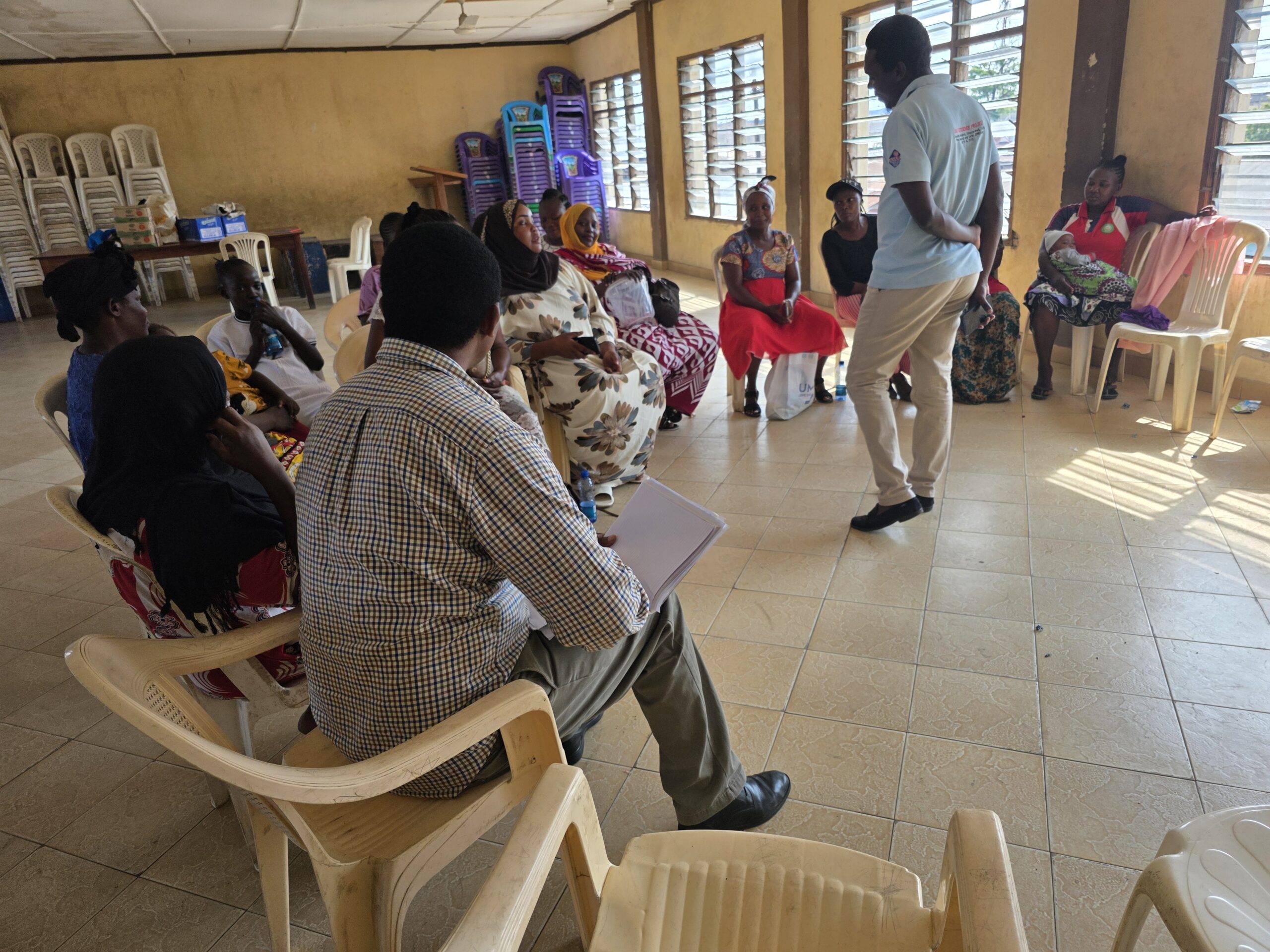
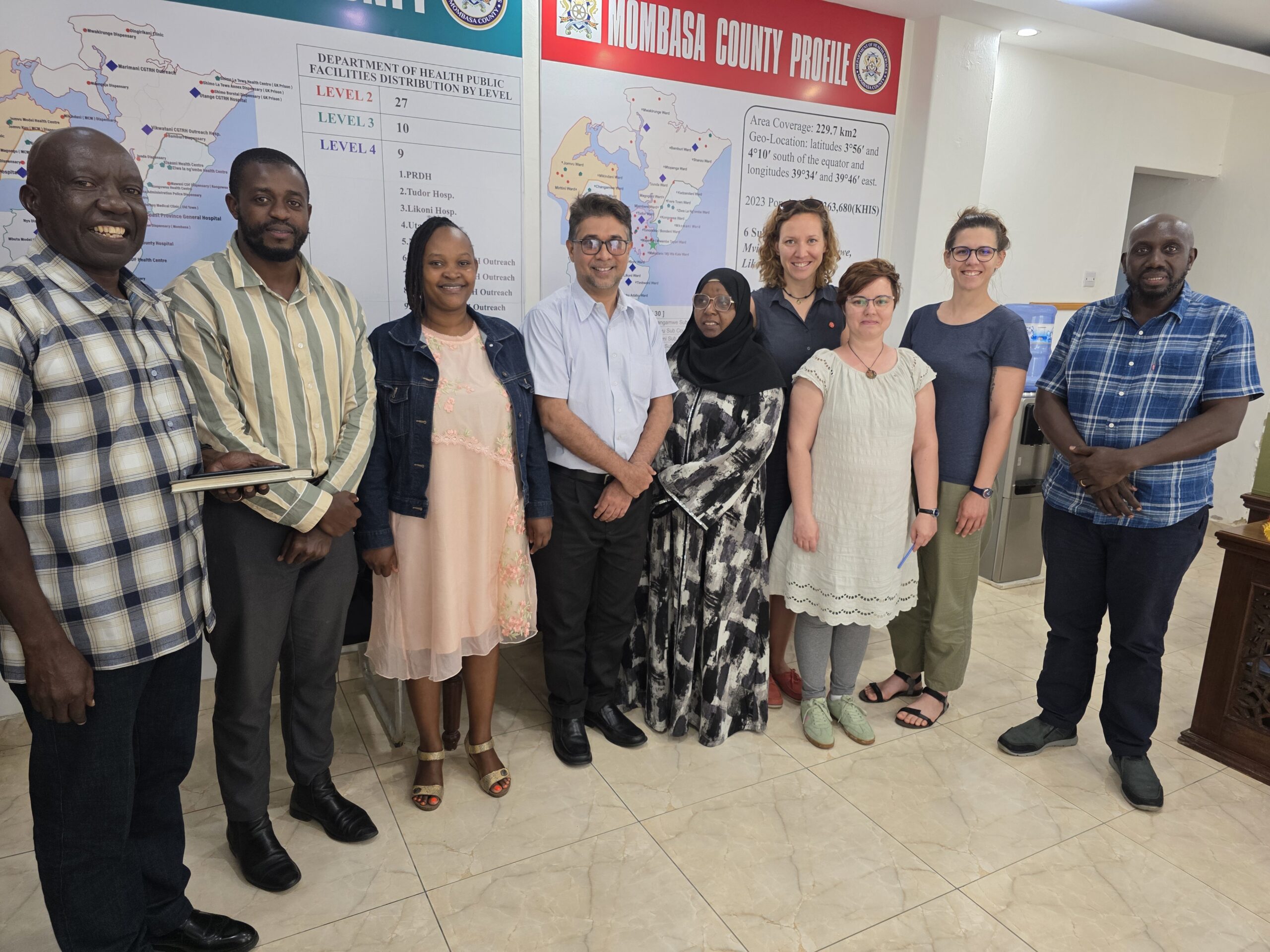
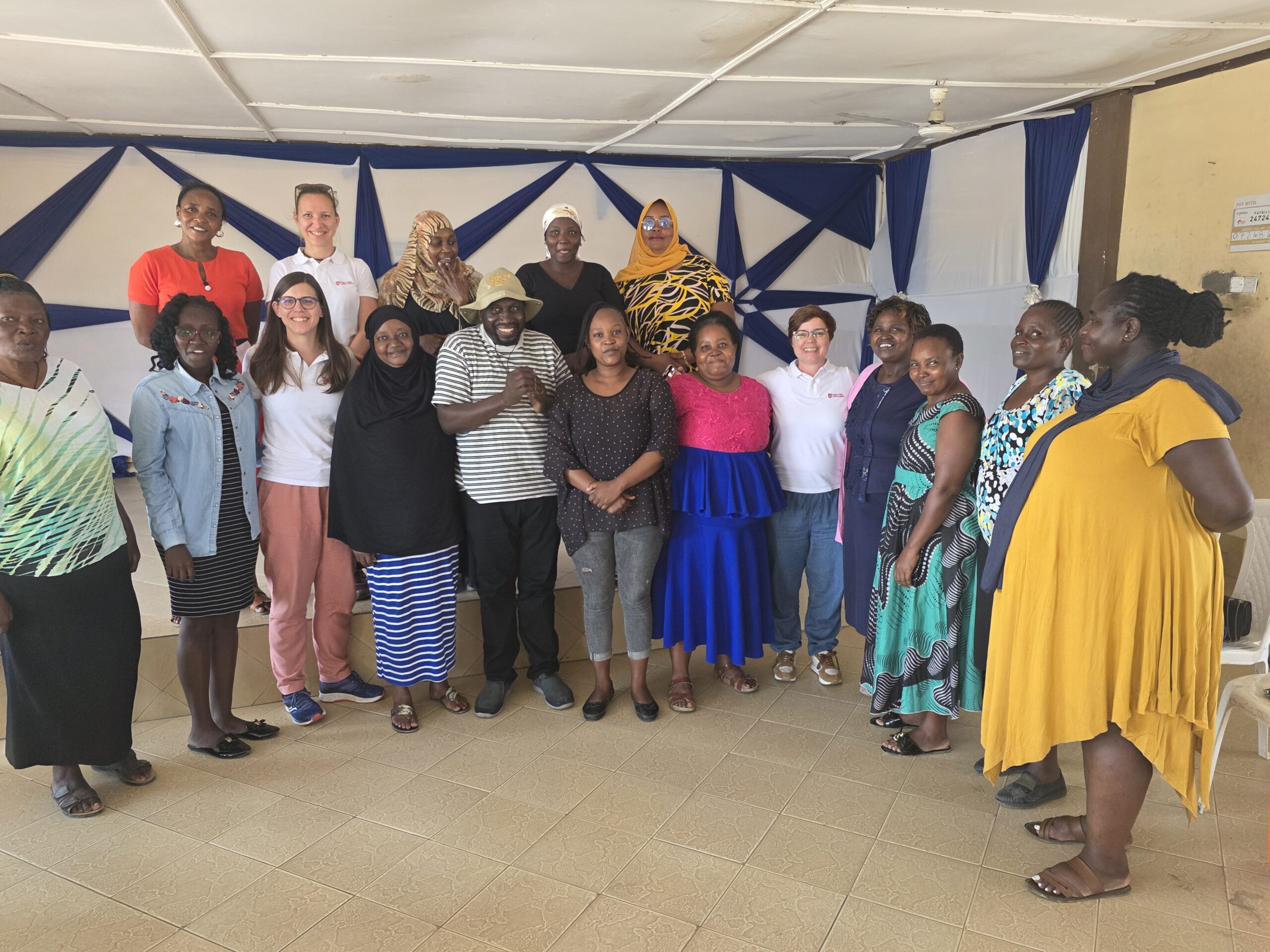
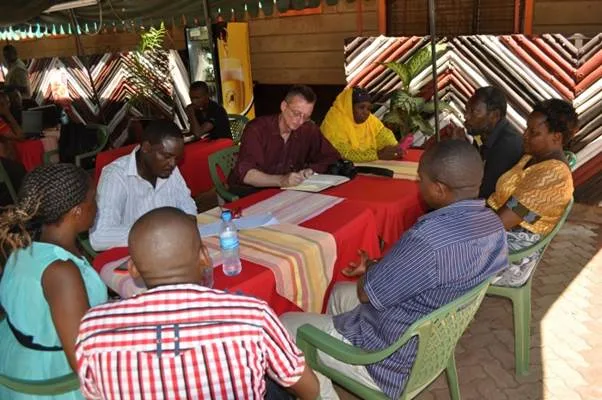
Maji na Ufanisi community planning Stakeholder engagement session
How strategy becomes action

We connect people, evidence, institutions, and opportunity.

Complex water, sanitation, climate, and development challenges cannot be solved through infrastructure alone.

Our strategic approaches help Maji na Ufanisi understand the wider systems surrounding each project: who has influence, whose voice is missing, what evidence exists, which institutions need strengthening, and how public, private, and community actors can work together.

A project becomes more sustainable when the solution is technically sound, socially inclusive, institutionally supported, and owned by the people it is meant to serve.
Our strategic foundation

Principles that guide every programme and partnership.

👥

Participation

Communities help shape priorities, decisions, responsibilities, and long-term ownership.

📊

Evidence

Research, assessment, monitoring, and learning support better choices and stronger accountability.

Equity

Women, children, people with disabilities, and vulnerable groups must participate and benefit.

🌱

Sustainability

Solutions are designed for resilience, local capacity, maintenance, and responsible stewardship.

Our strategic approaches

Seven approaches that strengthen development outcomes.

Gender equality and inclusion

Designing programmes that hear every voice.

Women and girls are often disproportionately affected by unsafe water, inadequate sanitation, climate pressure, unpaid care responsibilities, and exclusion from decision-making. Our gender approach ensures that participation, safety, dignity, and access are considered throughout the project cycle.

We create space for women, girls, people with disabilities, and vulnerable groups to influence project priorities and benefit from the solutions delivered.

Gender-responsive assessment
Women’s participation and leadership
Safeguarding and dignity
Inclusive access and benefit
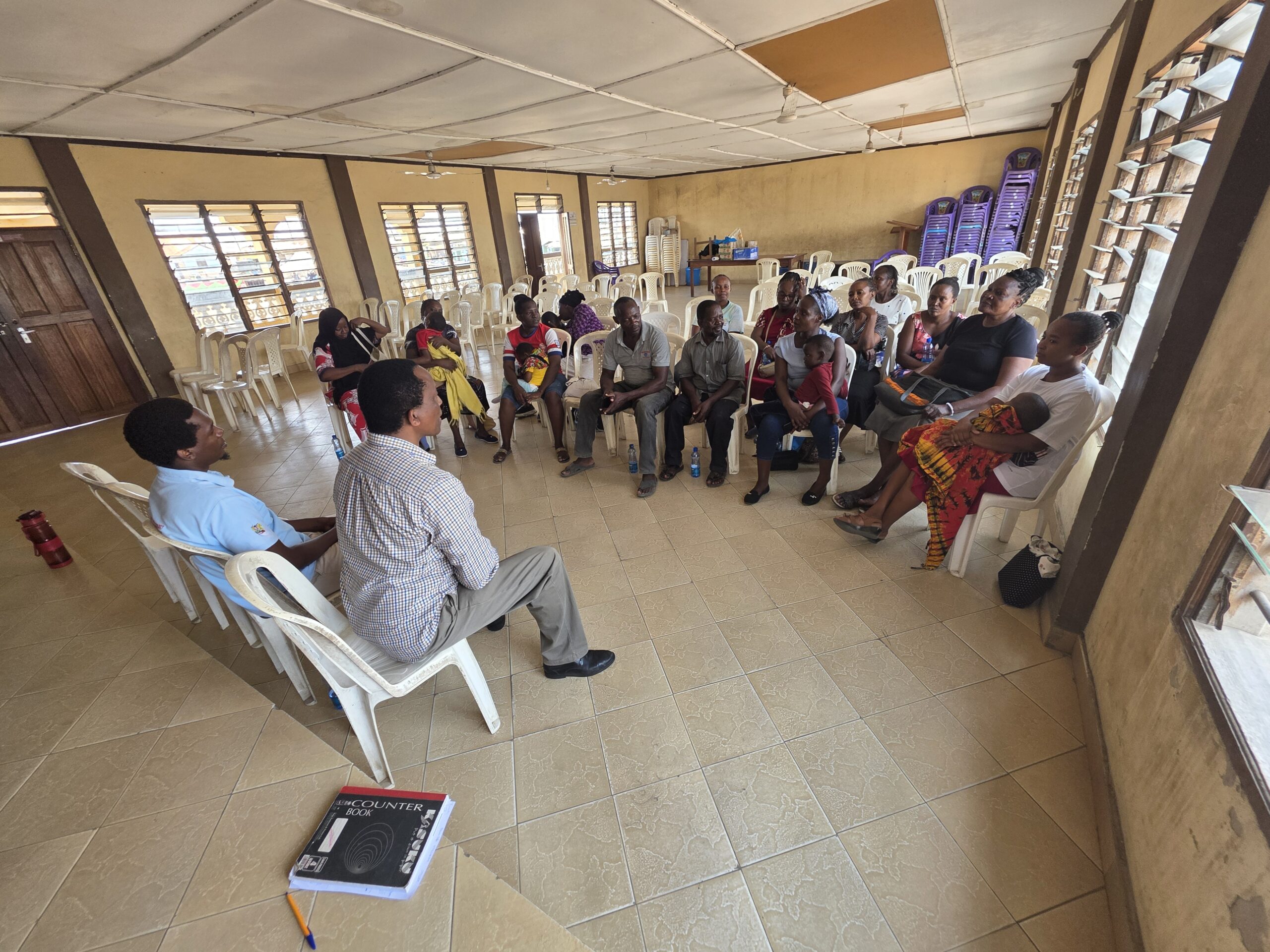
Strategic stakeholder engagement
Strategic approach

Turning shared priorities into coordinated action.

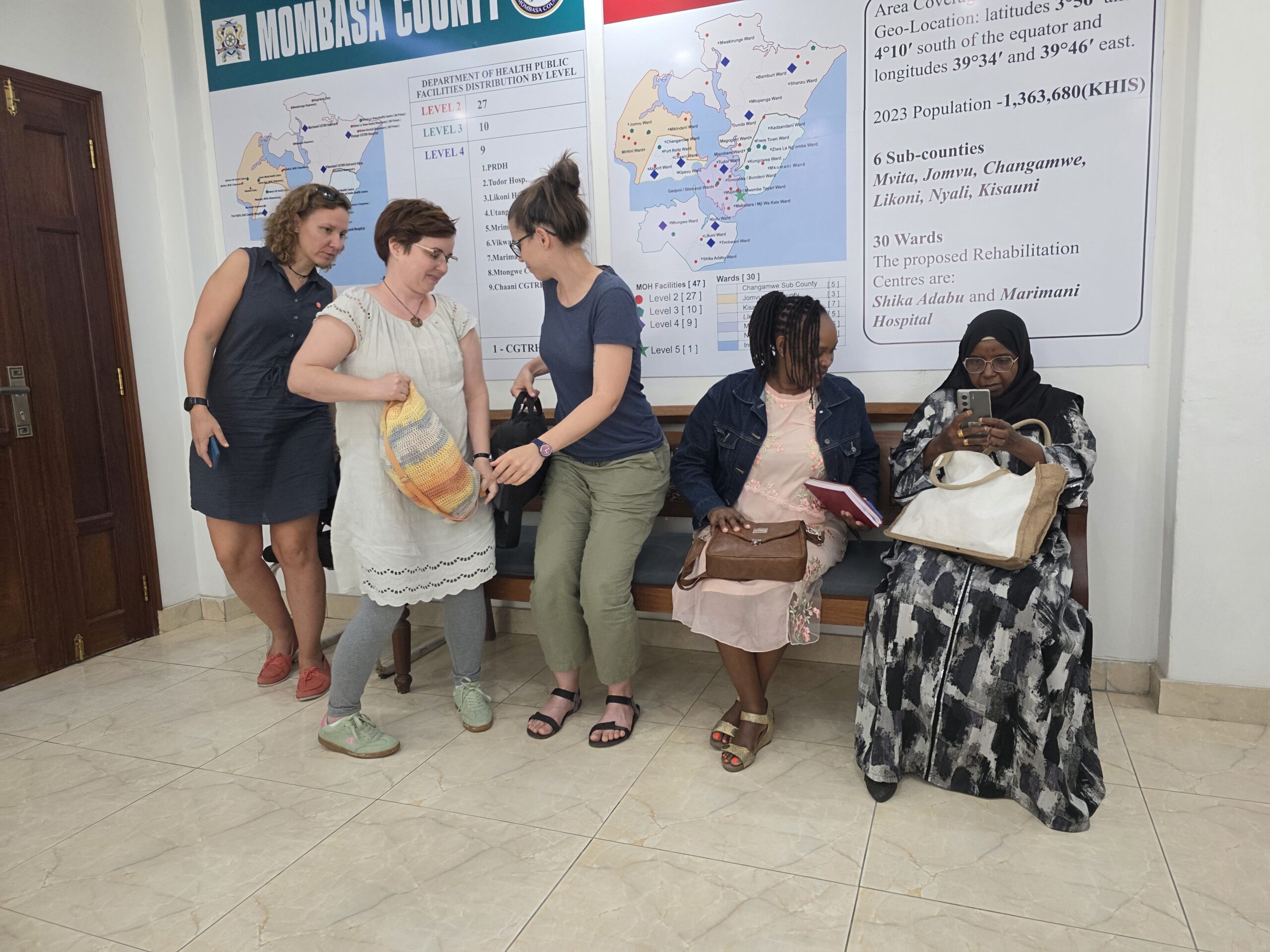
We engage government institutions, community leaders, schools, donors, technical partners, and civil society organisations to align interests and create practical pathways for implementation.

This reduces duplication, strengthens ownership, and helps partners understand how their resources and responsibilities fit into the wider development system.

Stakeholder mapping
Shared planning
Clear roles and responsibilities
Long-term partnership building
Evidence-based policy and research
Evidence-based policy

Using research to improve programmes and influence systems.

Maji na Ufanisi uses baseline studies, impact assessments, monitoring data, community feedback, and field learning to strengthen programme design and policy advocacy.

Evidence helps us understand what is working, what needs to change, and how decision-makers can invest more effectively in water, sanitation, climate resilience, and inclusive development.

Baseline and needs assessments
Monitoring and evaluation
Impact assessment
Policy engagement and advocacy
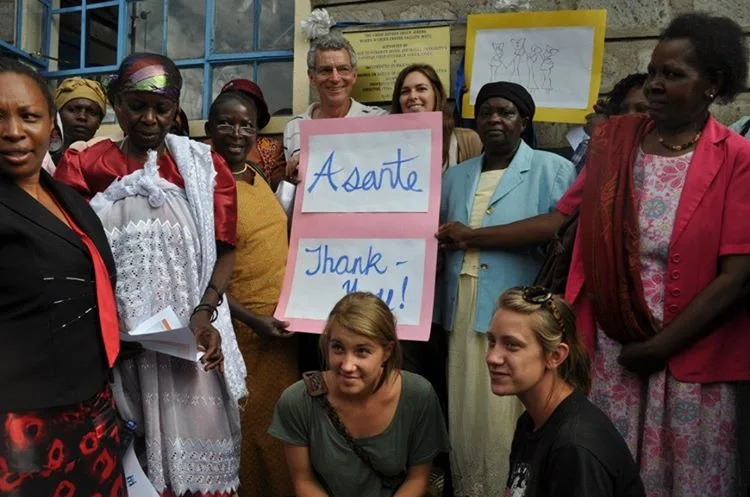
Capacity building workshop
Capacity building

Strengthening the people and institutions that sustain progress.

Infrastructure lasts longer when institutions, committees, schools, community organisations, and local leaders have the skills and systems required to manage it.

Our capacity-building work supports leadership, governance, maintenance, financial responsibility, community mobilisation, monitoring, and programme delivery.

Leadership and governance
Technical and maintenance skills
Financial and organisational systems
Community mobilisation
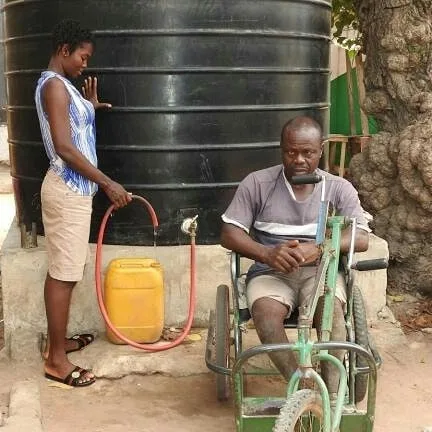
Inclusive community development
Inclusive development

Ensuring progress reaches those most often left behind.

We examine who can access services, who participates in decisions, and who may be excluded because of gender, disability, age, poverty, geography, or social status.

Inclusive development means adapting communication, infrastructure, community processes, and project design so benefits are shared more fairly.

Accessibility and dignity
Representation in decision-making
Focus on vulnerable groups
Equitable benefit sharing
Private sector and stakeholder engagement
Private sector involvement

Bringing innovation, resources, and market capability into development.

Businesses can contribute more than funding. They can bring logistics, technology, professional expertise, supply chains, innovation, and long-term investment capacity.

Maji na Ufanisi builds partnerships that align commercial strengths with community priorities and responsible development outcomes.

Corporate partnerships
Technical expertise
Innovation and technology
Responsible local investment
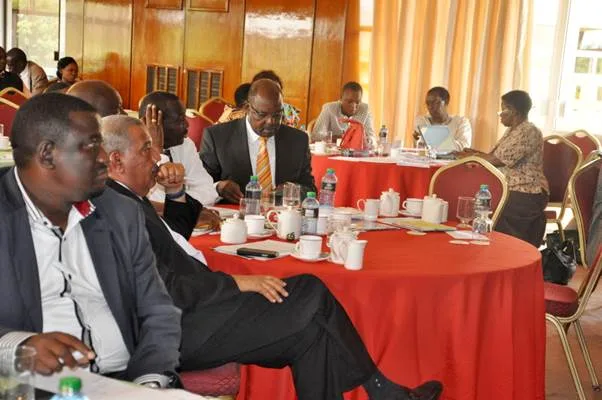
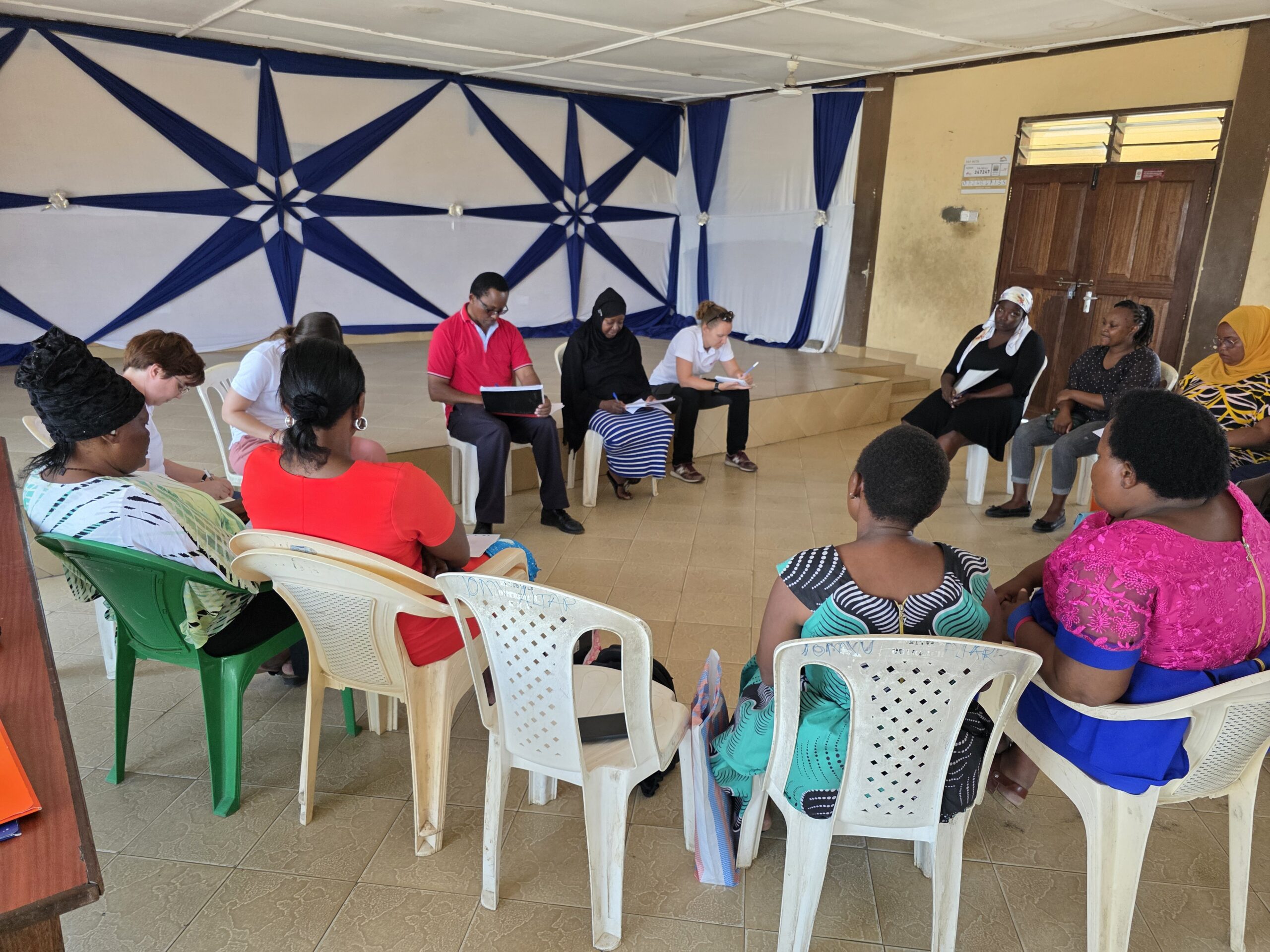
Strategic dialogue meeting
Strategic dialogue

Creating space for honest conversations and shared solutions.

Complex development challenges require dialogue between communities, government, civil society, donors, researchers, and the private sector.

We convene and participate in discussions that clarify priorities, improve coordination, surface community concerns, and build agreement around practical next steps.

Multi-stakeholder forums
Community voice and feedback
Policy and programme dialogue
Consensus and action planning
Sustainable Development Goals and clean water
Sustainable Development Goals

Connecting local action to global development priorities.

Maji na Ufanisi’s work contributes directly to clean water and sanitation while also supporting health, education, gender equality, climate action, reduced inequalities, sustainable communities, and strong partnerships.

SDG alignment helps partners understand how a local project contributes to a wider and internationally recognised development agenda.

SDG 6: Clean water and sanitation
SDG 5: Gender equality
SDG 13: Climate action
SDG 17: Partnerships
Your strategic partnership journey

From shared ambition to coordinated impact.

A strong partnership begins with clarity about the problem, the stakeholders, the evidence, and the role each partner can play.

Start a Strategic Conversation →
Stage 01Define the challengeClarify the community need, affected groups, evidence, and development context.
Stage 02Map the systemIdentify institutions, community actors, private sector capabilities, and policy realities.
Stage 03Design the partnershipAgree roles, resources, safeguards, outcomes, and accountability arrangements.
Stage 04Implement and learnDeliver, monitor, communicate, adapt, and use evidence to strengthen results.
Community and partner voices

What strategic partnership feels like on the ground.

★★★★★
“Maji na Ufanisi listened before proposing a solution. That helped the community feel respected and made it easier for people to take responsibility for the project.”
Community leaderUrban WASH stakeholder
★★★★★
“Their team understands that sustainable development is not only about infrastructure. It is also about governance, participation, and building local capacity.”
Development partnerInstitutional collaborator
★★★★★
“The process brought different stakeholders together, gave the community a voice, and helped us agree on practical next steps.”
Local stakeholderCommunity consultation participant
★★★★★
“Evidence and regular dialogue gave us confidence that decisions were being made responsibly and that lessons from the field were being used.”
Programme partnerMonitoring and learning stakeholder
★★★★★
“Women were not only invited to attend. They were encouraged to speak, influence priorities, and participate in the decisions affecting their families.”
Women’s group representativeCommunity beneficiary
★★★★★
“The partnership approach helped connect community priorities with technical knowledge and institutional support.”
Government stakeholderCounty-level collaborator
Partner with Maji na Ufanisi

Turn a shared development priority into coordinated, lasting action.

Whether you represent a donor, foundation, company, government institution, research organisation, school, or community network, we can build a strategic partnership grounded in evidence, inclusion, accountability, and local ownership.