UN
Climate action and resilience
The UN provides global guidance on climate change, its impacts, and the need for urgent adaptation and resilience-building.
Explore UN Climate Action →
Maji na Ufanisi works with climate-vulnerable communities in Kenya to strengthen water security, climate-resilient WASH systems, local preparedness, community knowledge, and practical adaptation.
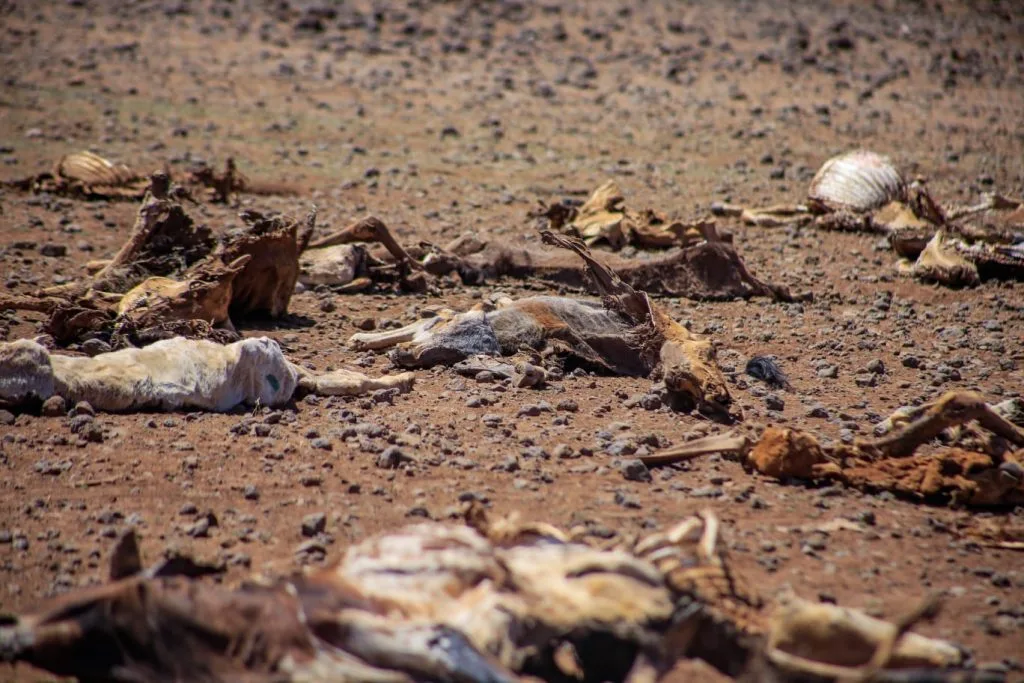
Droughts, floods, rising temperatures, unreliable rainfall, damaged infrastructure, and contaminated water sources place the greatest burden on people who already have the fewest resources.
The United Nations explains that climate change is already affecting communities through more intense heat, drought, flooding, and other hazards. The World Health Organization describes climate change as a fundamental threat to human health.
Declining sources force households to walk farther, pay more, reduce consumption, or use unsafe alternatives.
Floodwater can damage toilets, overwhelm drainage, contaminate water sources, and increase disease risk.
Higher temperatures increase water demand, affect health, and intensify pressure on already fragile services.
Poorly designed systems can fail when exposed to drought, floods, erosion, or sudden demand.
Women and girls often carry more unpaid water collection and care work when climate shocks disrupt services.
Water shortages can affect livestock, food production, household income, nutrition, and local stability.
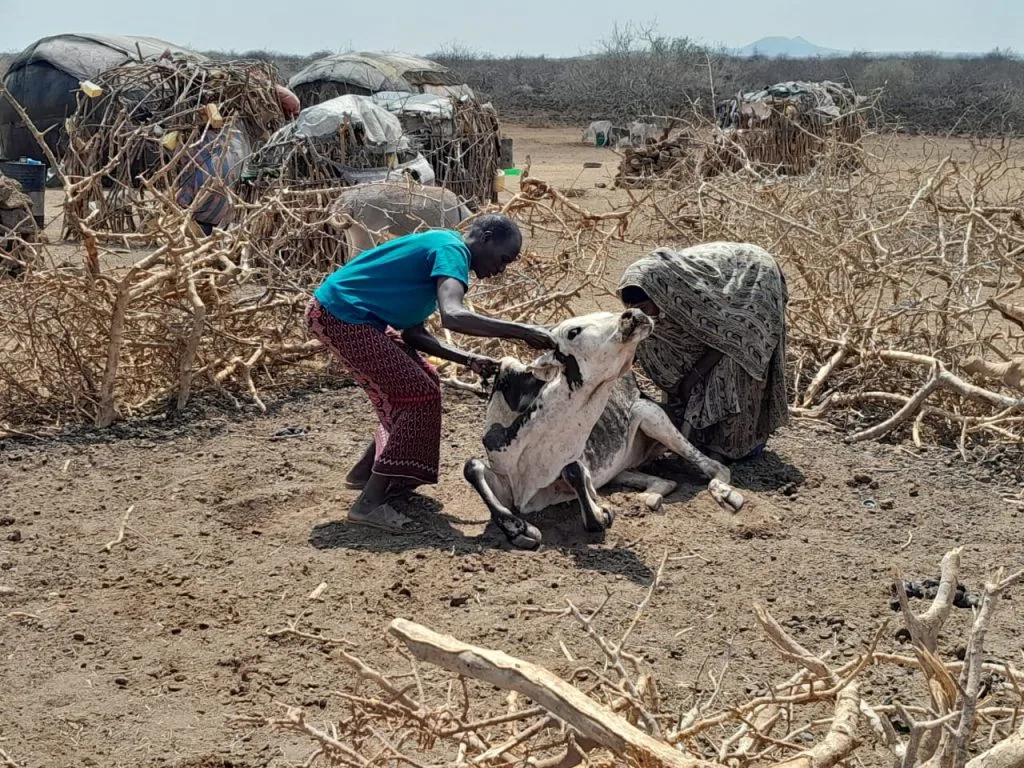
We assess climate risk before recommending infrastructure. Source reliability, flood exposure, drought pressure, future demand, maintenance capacity, water quality, accessibility, and local governance all shape the final design.
We help communities identify hazards, vulnerable groups, critical services, response responsibilities, and realistic actions that can be taken before, during, and after climate shocks.
Healthy catchments, soils, wetlands, vegetation, and drainage systems can reduce erosion, protect water sources, support infiltration, and lessen the impact of floods and drought.
We support communities and partners to interpret local climate risks, monitor changing conditions, document impacts, and use evidence to improve planning and investment.
We strengthen local committees, schools, community organisations, public institutions, and service providers so they can plan, finance, operate, maintain, and adapt essential WASH services.
Maji na Ufanisi has contributed research on climate risks and adaptation options in Nairobi’s informal settlements, turning community realities into practical knowledge for policy and programming.
Sharing these resources openly reflects a simple principle: useful evidence should help more than one project, one donor, or one institution.
A practical evidence resource on climate vulnerability and resilience options for underserved urban communities.
Read the PDF →A detailed study of climate risks, opportunities, and possible adaptation responses in Nairobi’s informal settlements.
Read the PDF →Kenya’s official submission outlining national adaptation priorities, progress, and needs under the Paris Agreement.
Read the UNFCCC document →When communities gain reliable, well-managed, and climate-aware services, the benefits spread across health, education, safety, livelihoods, dignity, and local confidence.
A school rainwater tank can preserve learning during water shortages. A protected rural source can reduce hours spent walking. Better drainage can protect homes and sanitation during floods. A trained committee can identify a problem before the entire system fails.
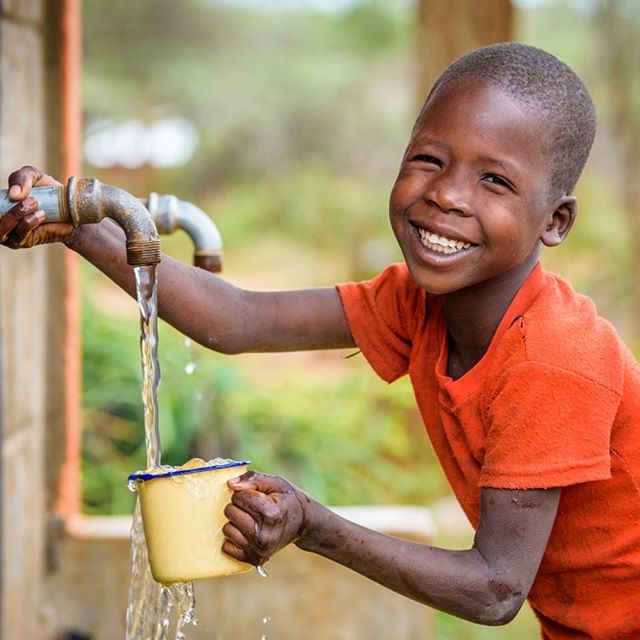
Communities are better prepared to maintain safe water access under changing conditions.
Climate-resilient WASH reduces exposure to contaminated water and sanitation-related disease.
Schools can remain safer and more functional during water scarcity and extreme weather.
Women, girls, and underserved groups face fewer disproportionate climate-related burdens.
Reliable services and preparedness help households protect time, assets, and income.
Climate-aware design and maintenance help protect investments from predictable hazards.
Communities gain the skills and systems needed to respond without waiting for crisis support.
Evidence and monitoring enable institutions to direct resources where they can have the greatest effect.
Support climate-resilient WASH, community preparedness, adaptation research, inclusive planning, and stronger local systems for communities facing drought, floods, water scarcity, and growing climate uncertainty.