ISK Visits Vision Sisters | Maji na Ufanisi Community Learning Partnership
ISK × Maji na Ufanisi × Vision Sisters

When students meet community leaders, global goals become human.

In 2026, the International School of Kenya and Maji na Ufanisi connected Grade 5 students with Vision Sisters, a women-led community organization in Kibera whose long journey of WASH, peacebuilding, enterprise, and resilience brings SDG 6 to life.

Authentic student learning Community voices first SDG 6 in action
2002Vision Sisters founded in Kibera
78 womenCurrent membership recorded in March 2026
2015–2016WASH facility built by MnU and handed over
13 May 2026Vision Sisters met ISK Grade 5 students
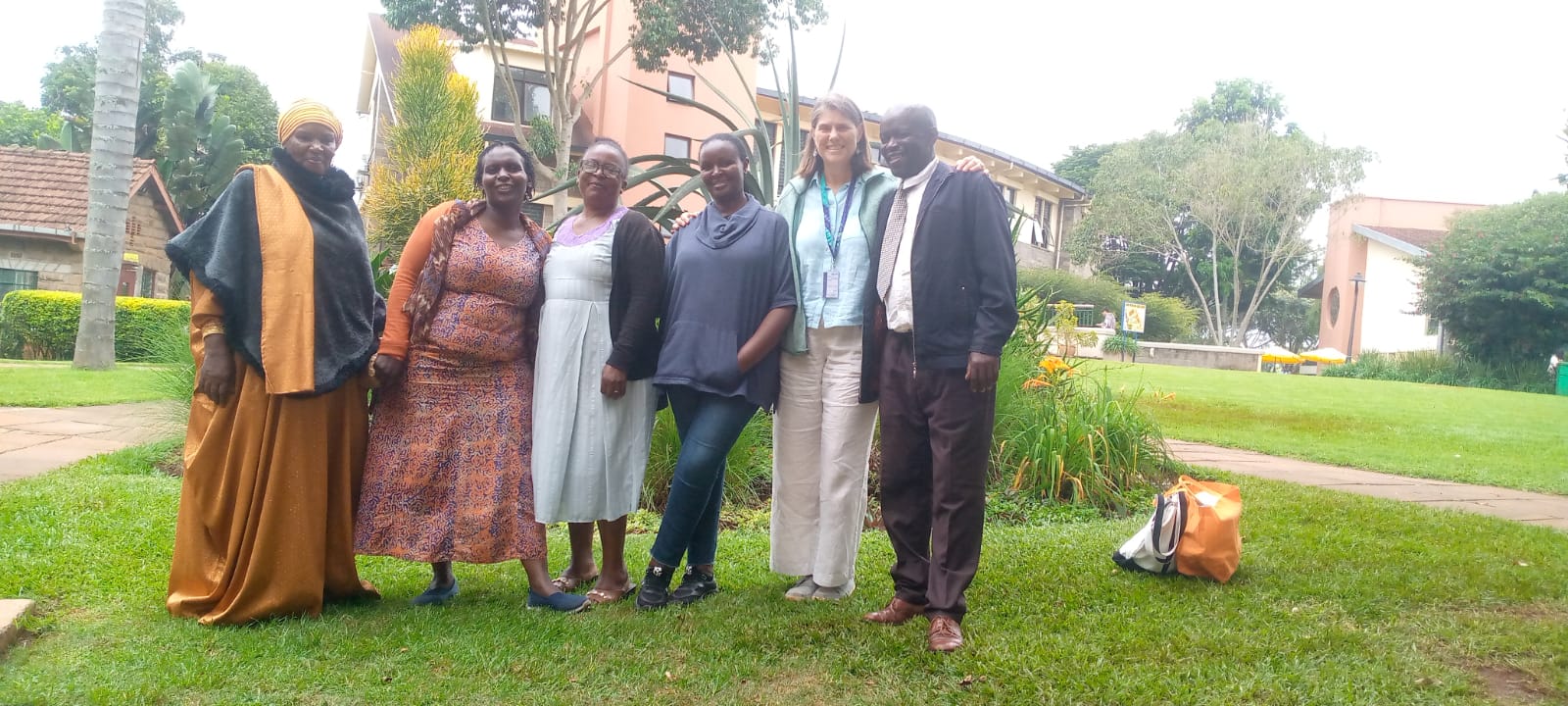
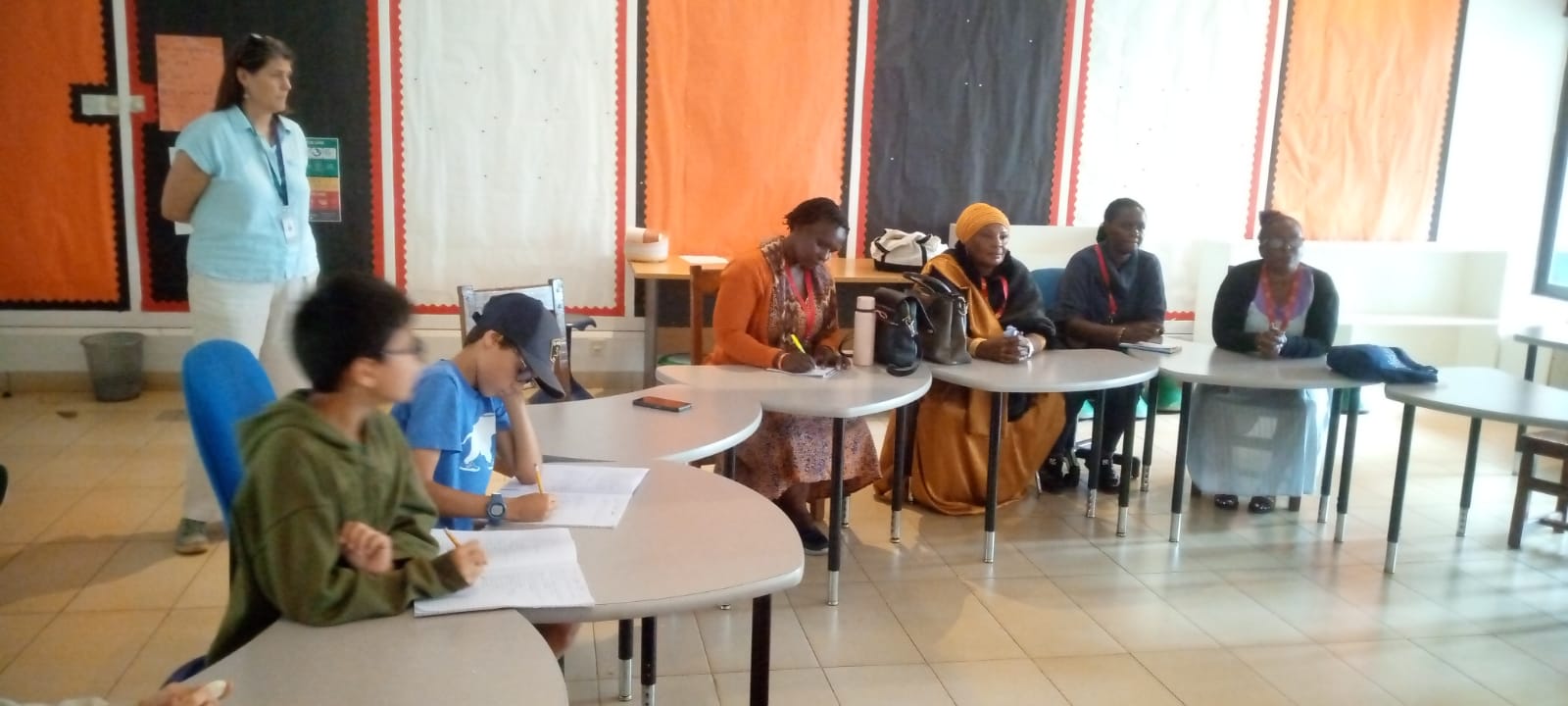
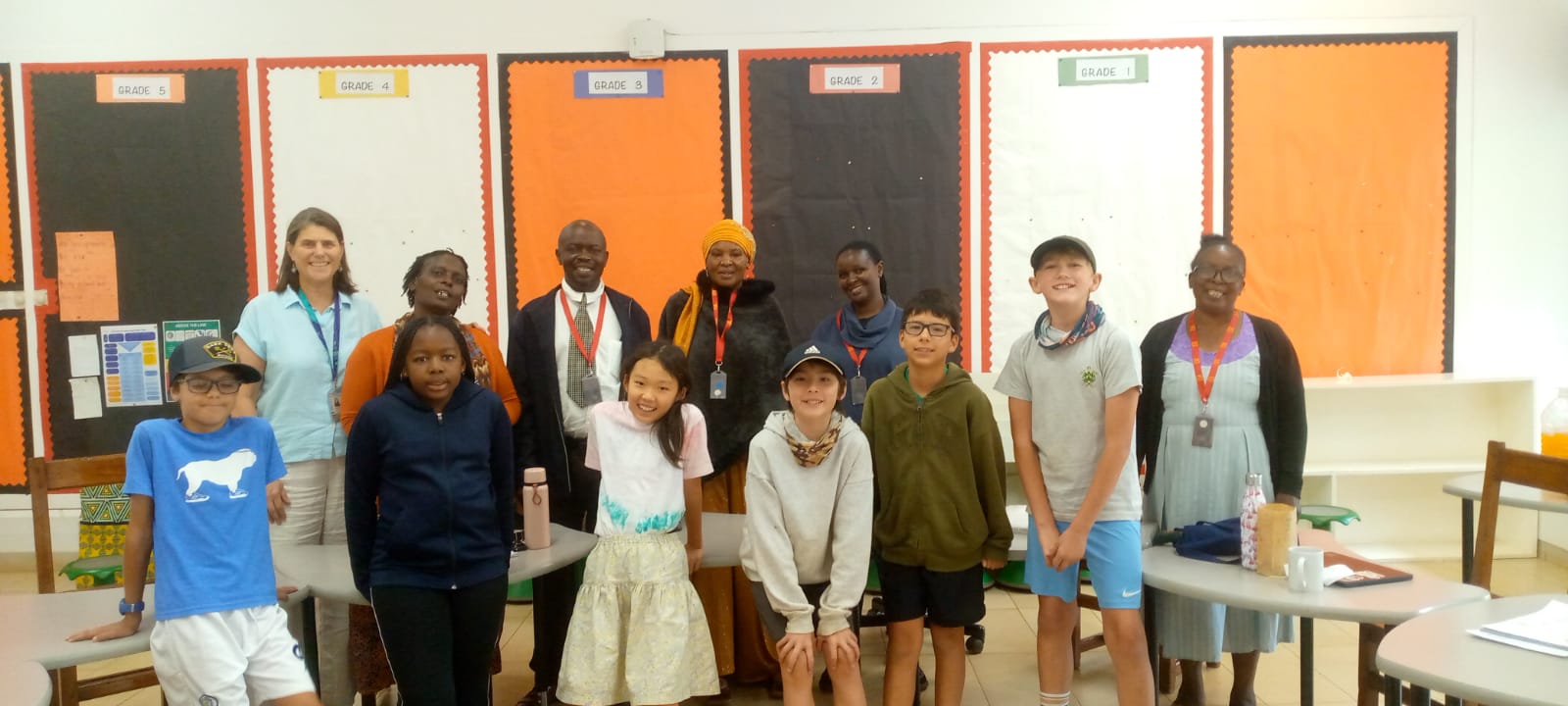
Vision Sisters and Maji na Ufanisi engagement with International School of Kenya ISK Grade 5 community learning session
Learning through real relationships

A classroom partnership built around people, not presentations.

The partnership began with a simple but powerful question: how can Grade 5 students understand the right to clean water, sanitation, responsibility, and advocacy through real community experience?

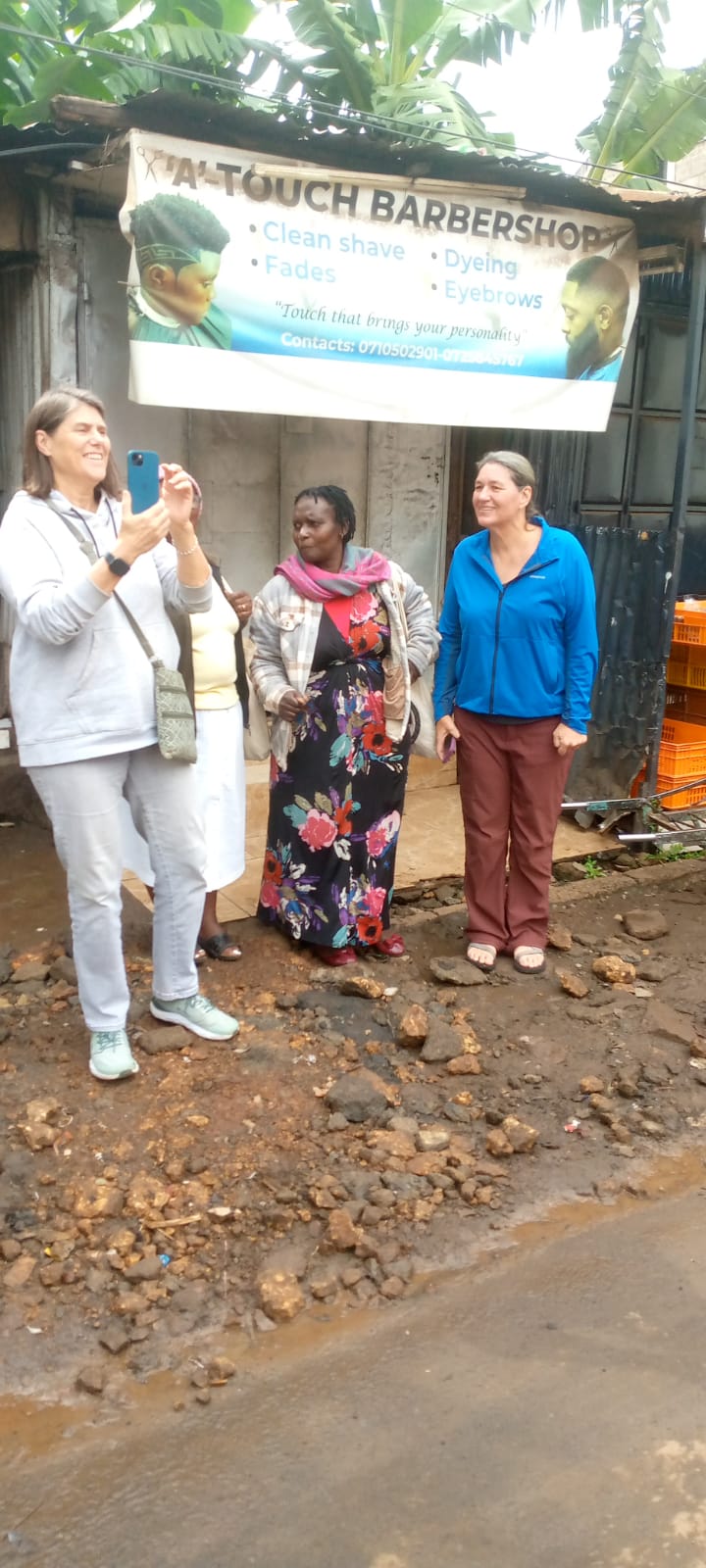
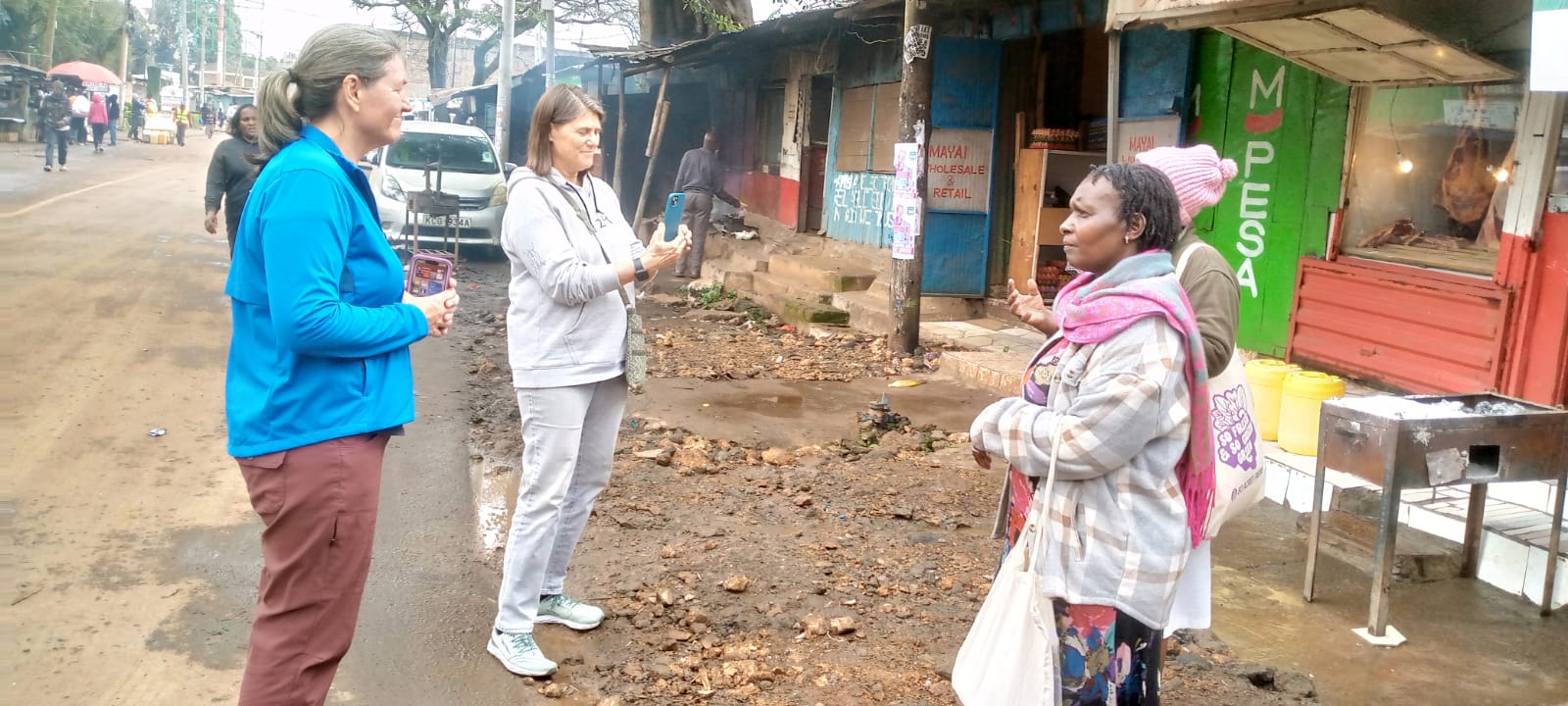
ISK and Maji na Ufanisi designed a learning process that placed community leadership at the centre. Teachers first visited Vision Sisters in Kibera to understand their history and WASH enterprise. Later, Vision Sisters representatives and Maji na Ufanisi Community Organiser Fred Amouk joined students at ISK for a direct, conversational exchange.

The Vision Sisters were not invited because they represented need. They were invited because they are experienced leaders whose knowledge deserves to be heard.
Three partners, one learning journey

Each participant brought expertise the others could not replace.

🎓

International School of Kenya

Connected Grade 5 learning on rights, responsibility, advocacy, and global citizenship with authentic local experiences and community voices.

💧

Maji na Ufanisi

Designed the partnership, prepared learning resources, connected the school to Vision Sisters, provided WASH context, and facilitated respectful engagement.

👩🏾‍🤝‍👩🏽

Vision Sisters

Shared more than two decades of lived leadership in women’s empowerment, sanitation, peacebuilding, community enterprise, and organizational resilience.

🧑🏽‍🏫

Teachers

Visited the community first, built local context, safeguarded the learning process, and helped students connect questions to real lives.

🗣

Students

Asked thoughtful questions, listened directly to community leaders, and explored how advocacy grows from rights, responsibility, and local action.

🌍

The Wider Community

Gained a model showing how schools, local organizations, and Kenyan nonprofits can create mutual learning rather than one-way charity.

Who are Vision Sisters?

Women who turned crisis into solidarity—and solidarity into lasting assets.

Vision Sisters began in 2002 after violent landlord–tenant clashes left women and children displaced in Kibera. Muslim and Christian women formed an interfaith group, refusing to allow tribalism and conflict to divide them.

Over time, they saved collectively, purchased land, supported vulnerable women, contributed to peace and community security, and built a long-term partnership with Maji na Ufanisi around WASH and institutional strengthening.

Women-ledDecisions are made by women who live with the consequences and opportunities.
InterfaithMuslim and Christian women working together around peace, dignity, and shared goals.
Asset-buildingMember savings, land purchase, rental spaces, sanitation, and income-generating facilities.
ResilientThe group survived loss, COVID closure, leadership transition, and operational disruption.
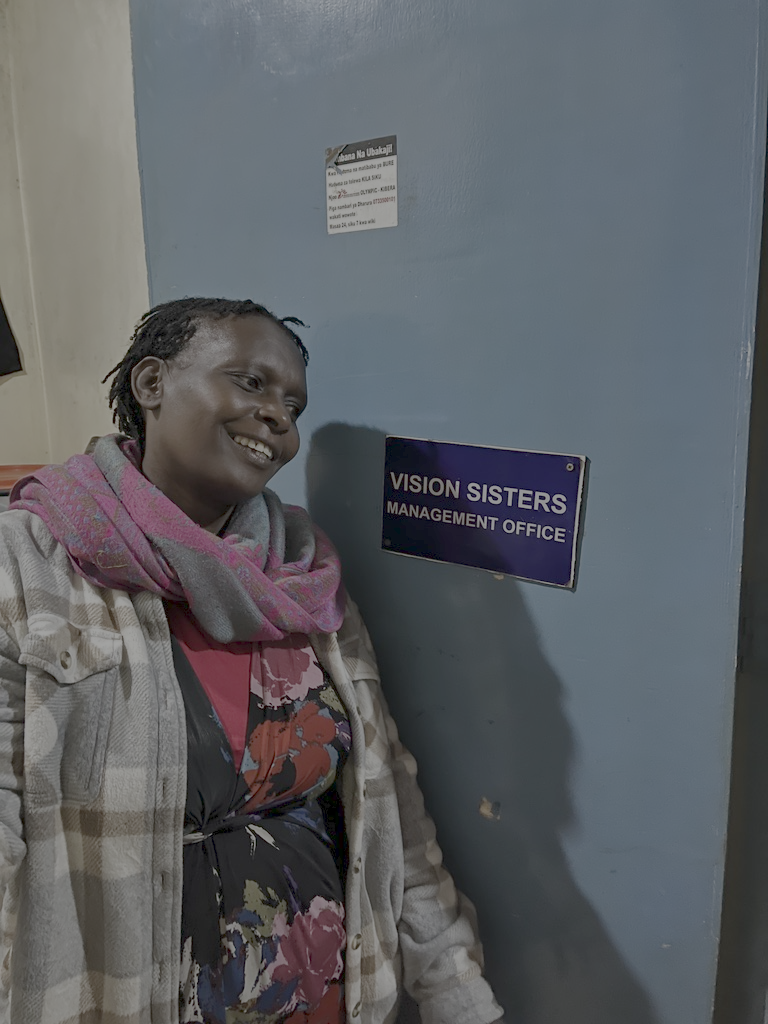
Vision Sisters community leaders in Kibera
The learning journey

From discovery to dialogue—and from dialogue to advocacy.

Phase 01DiscoverStudents explored SDG 6, WASH, water rights, community ownership, and the human consequences of unequal access.
Phase 02PrepareISK teachers visited Vision Sisters with MnU, saw the WASH facility, heard the women’s history, and gathered firsthand context.
Phase 03ConnectVision Sisters representatives came to ISK on 13 May 2026 and spoke directly with Grade 5 students.
Phase 04AdvocateStudents translated their learning into questions, key messages, stories, and action around rights and responsibility.
What students learned

Lessons no textbook could deliver in the same way.

Rights become real locally

The right to water and sanitation is experienced through taps, toilets, safety, time, health, and dignity.

Communities are not passive

Vision Sisters organized, saved, built relationships, managed assets, and sustained change over many years.

Infrastructure needs ownership

A facility lasts when local people manage it, maintain it, and connect it to their wider goals.

Advocacy starts with listening

Young advocates speak more responsibly when they first listen to the people whose stories they share.

Women’s leadership changes systems

Community safety, peace, sanitation, housing, and enterprise can all be strengthened by organized women.

Partnership is mutual learning

Students, teachers, community leaders, and MnU each contributed knowledge and learned from the others.

A successful Maji na Ufanisi project

The Vision Sisters WASH facility is more than a sanitation block.

Maji na Ufanisi built the meeting hall and sanitation block in 2015 and handed it over to Vision Sisters in 2016 as a community service and income-generating asset.

After the COVID-19 closure and the loss of founder Mama Hamza, Maji na Ufanisi re-engaged to help stabilize the organization. By 2025, the facility had reopened with an office, water closet, back rooms, and occupied shops. The group was using its own business revenue to expand.

The most persuasive evidence of success is not that MnU built a facility. It is that Vision Sisters took ownership, generated income, survived crisis, reopened, and began expanding with their own earnings.
Support the Next Phase →
2002

Vision Sisters emerges from crisis as an interfaith women’s group.

2015

MnU constructs a community meeting hall and sanitation facility.

2016

The facility is formally handed over for community management.

2020–2022

COVID closure and the passing of Mama Hamza create a severe organizational crisis.

2024–2025

MnU supports recovery, governance, reopening, and expansion.

2026

Vision Sisters shares its leadership journey with ISK students.

Student voices

What the experience helped students understand.

These student-style reflections are based on the documented learning themes from the ISK engagement: direct dialogue, community leadership, SDG 6, advocacy, and long-term ownership.

“Before this, SDG 6 felt like something from a textbook. Hearing Vision Sisters explain their work helped me understand that clean water and sanitation affect real families every day.”
Grade 5 student reflection International School of Kenya
“I learned that communities do not just wait for help. Vision Sisters organized, saved money, managed their facility, and kept working even after very difficult years.”
Grade 5 student reflection International School of Kenya
“The visit showed me that listening comes before advocacy. We need to understand people’s experiences before we speak about their challenges.”
Grade 5 student reflection International School of Kenya
“I was surprised that a sanitation project could also support women’s leadership, income generation, peacebuilding, and community safety.”
Grade 5 student reflection International School of Kenya
“Meeting the women directly made the lesson more memorable. They were not only talking about problems. They showed us what people can achieve by working together.”
Grade 5 student reflection International School of Kenya
“This experience made me think about how students can use our voices responsibly—to learn, share accurate stories, and support practical change.”
Grade 5 student reflection International School of Kenya
For publication as verbatim testimonials, replace these reflection-based drafts with permission-approved quotations collected directly from participating students.
What the partnership achieved

Real value for students, educators, community leaders, and development practice.

Deeper learningStudents understood WASH, rights, advocacy, and sustainability through real dialogue.
Stronger teachingEducators gained local context that enriched global-citizenship learning.
Community recognitionVision Sisters’ knowledge and long-term leadership received deserved visibility.
A replicable modelOther schools can connect curriculum to community-led development through MnU.
Create the next partnership

Schools can help students become informed advocates without speaking over communities.

Partner as a school

Build an authentic learning experience around WASH, SDG 6, climate resilience, rights, advocacy, and community leadership.

Discuss a School Partnership →

Support Vision Sisters

Help the women complete facility improvements, strengthen governance, expand income generation, and pursue their next chapter.

Explore Ways to Give →

Share the model

Invite other educators and institutions to centre community expertise in global-citizenship and development education.

Share the Story →
Stay connected

Follow future school partnerships, community stories, and youth advocacy opportunities.

Receive updates from Maji na Ufanisi as students, teachers, and community leaders turn learning into practical solidarity.

Join the Maji na Ufanisi Newsletter

Subscribe for impact stories, project updates, partnership opportunities, and organizational news. We respect your inbox. No spam.

Learning that changes how students see the world

The strongest advocates do not begin by speaking. They begin by listening.

The ISK, Maji na Ufanisi, and Vision Sisters partnership shows how schools can create learning that honours community expertise, develops thoughtful global citizens, and connects SDG 6 to real people, real leadership, and real change.