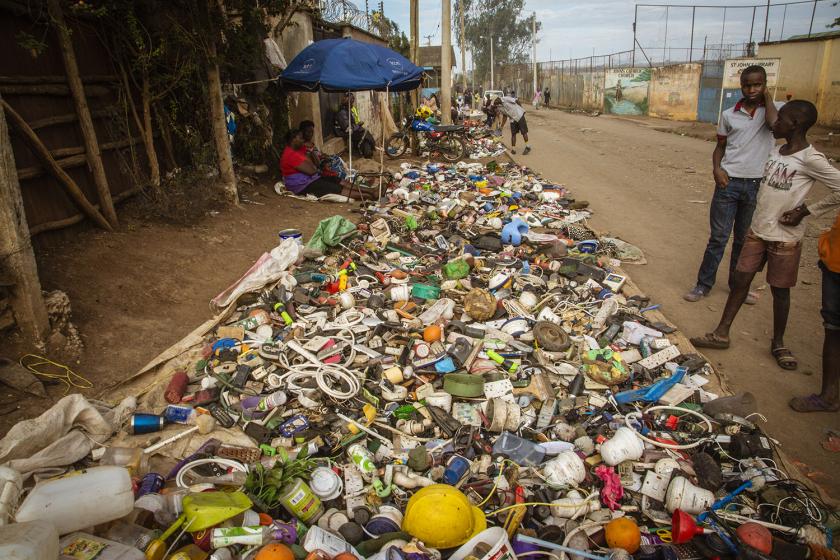
Urban communities
Urban WASH
Water, sanitation, drainage, hygiene, community organization, and advocacy for underserved informal settlements and dense urban neighbourhoods.
Explore Urban WASH →
Maji na Ufanisi delivers integrated programs that improve access to safe water, dignified sanitation, menstrual health, climate resilience, disability inclusion, evidence, advocacy, and locally led development across Kenya.
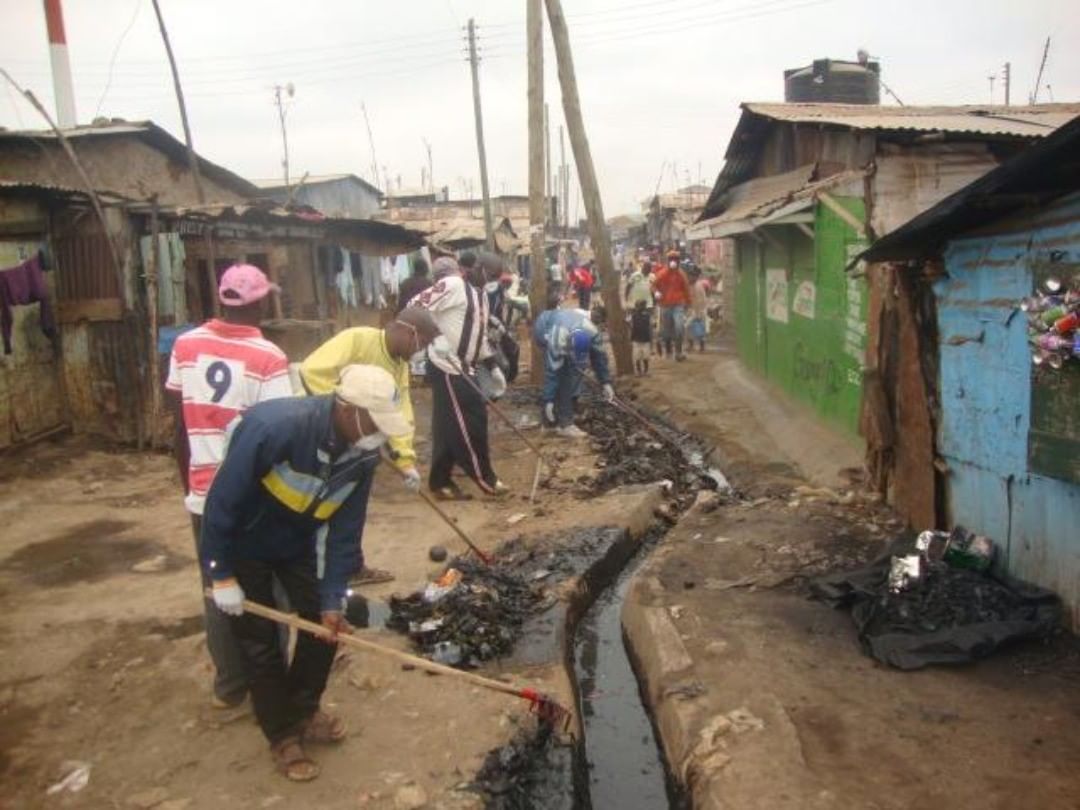
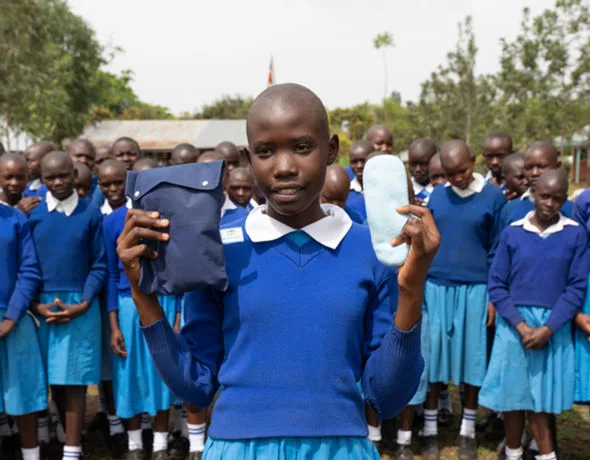
A water point cannot transform a community if people cannot maintain it. A school toilet cannot protect dignity if girls lack menstrual health support. A child with a disability cannot participate fully if the school, home, and public systems remain inaccessible.
That is why Maji na Ufanisi connects infrastructure with community participation, behaviour change, gender and disability inclusion, institutional strengthening, research, advocacy, monitoring, and sustainability.
Each program is adapted to the local context, existing systems, environmental risks, and the people most affected.
Water, sanitation, drainage, hygiene, community organization, and advocacy for underserved informal settlements and dense urban neighbourhoods.
Explore Urban WASH →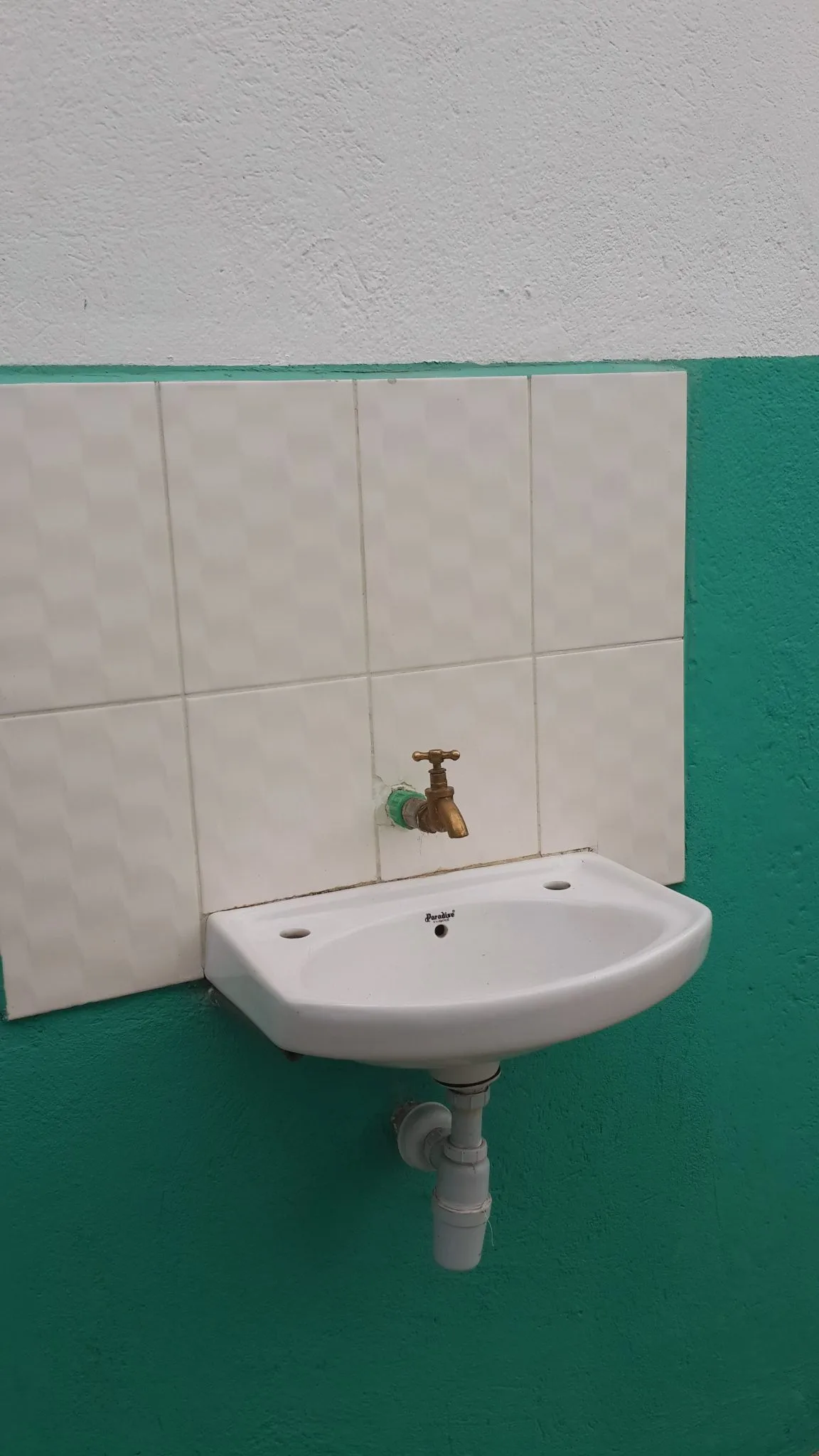
Sustainable sanitation and hygiene solutions that strengthen facilities, community practices, local management, public health, and long-term maintenance.
Read the WASHEM Impact Story →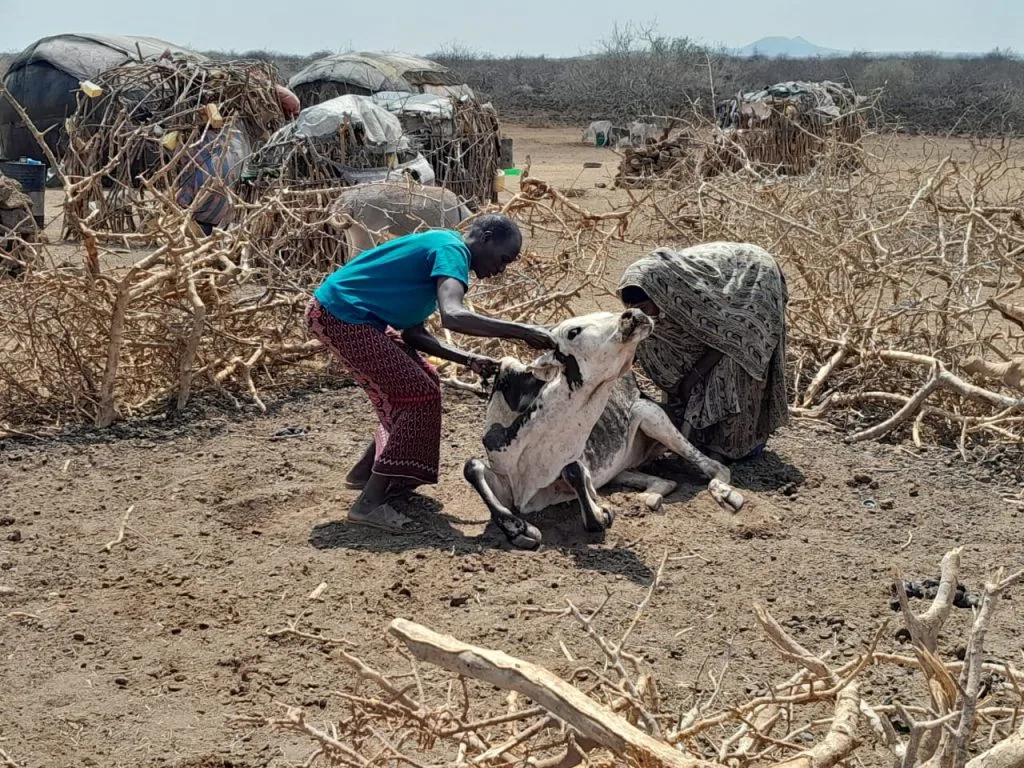
Climate-sensitive water access, local management, drought resilience, hygiene, and practical systems for rural, arid, and semi-arid communities.
Explore ASAL & Rural WASH →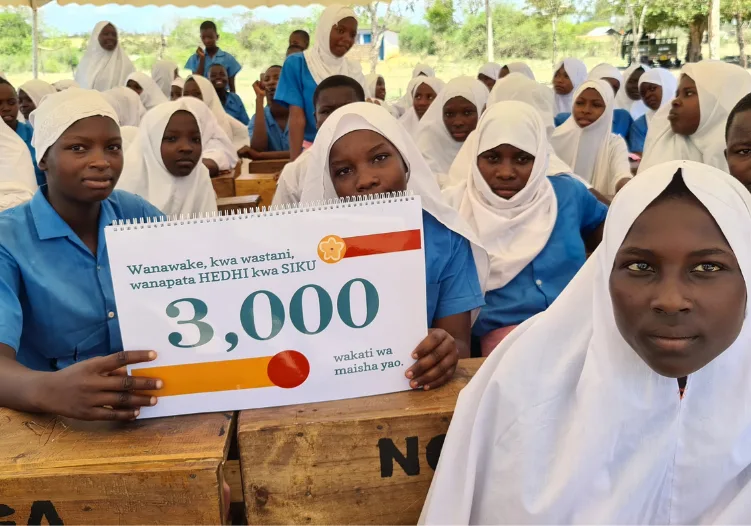
Clean water, gender-separated sanitation, handwashing, hygiene education, accessible facilities, and stronger maintenance systems for schools.
Explore School WASH →Information, dignity, safer facilities, school participation, stigma reduction, and practical support that help girls learn without fear or interruption.
Explore Menstrual Health →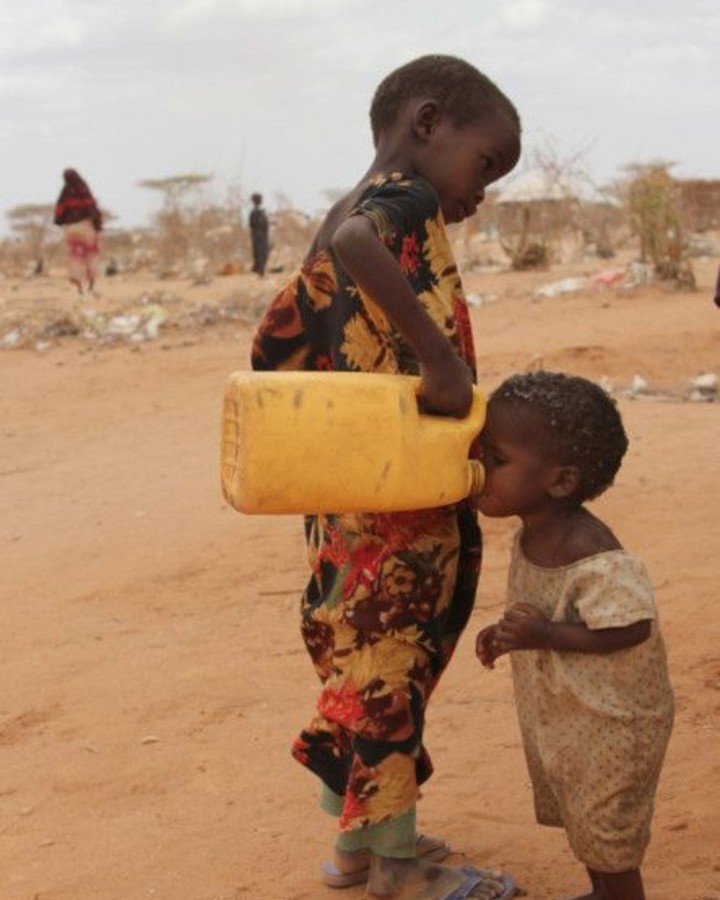
Water-resource protection, community preparedness, adaptation, risk reduction, and resilient systems for climate-vulnerable communities.
Explore Climate Resilience →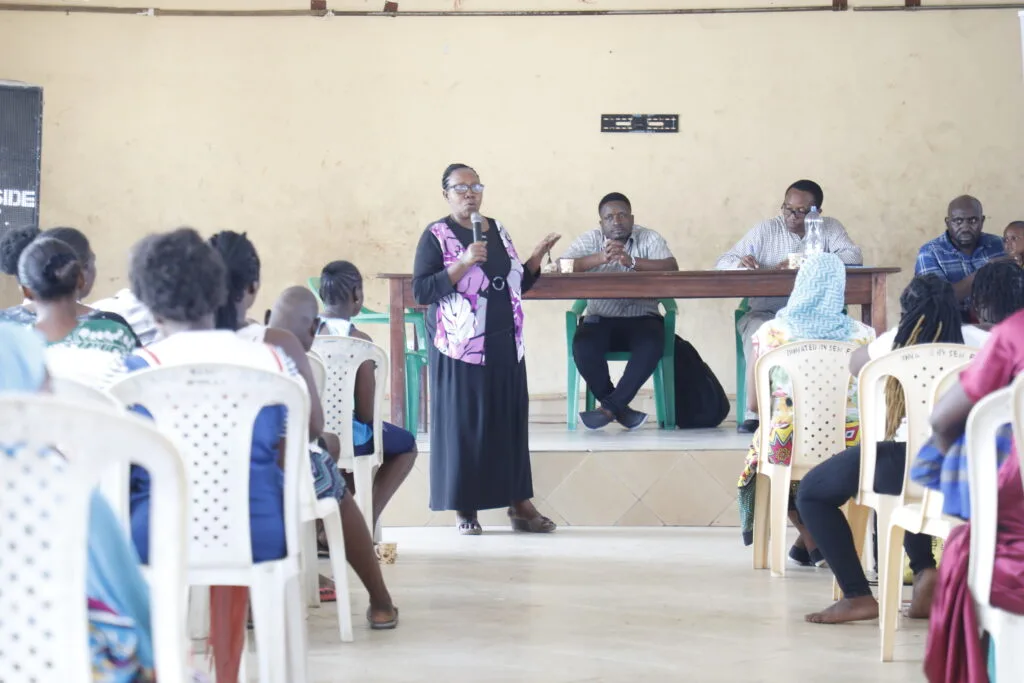
Assessment, registration, rehabilitation referrals, home visits, caregiver support, inclusive education, accessible WASH, and stronger local support networks.
Explore Disability Inclusion →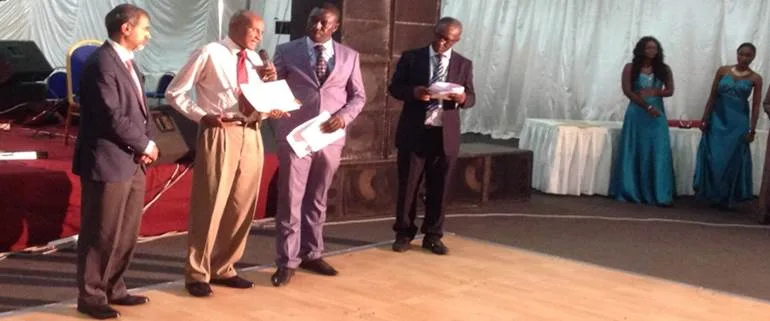
Evidence generation, learning, policy engagement, public awareness, community voice, and stronger decisions around water and sanitation.
Explore Research & Advocacy →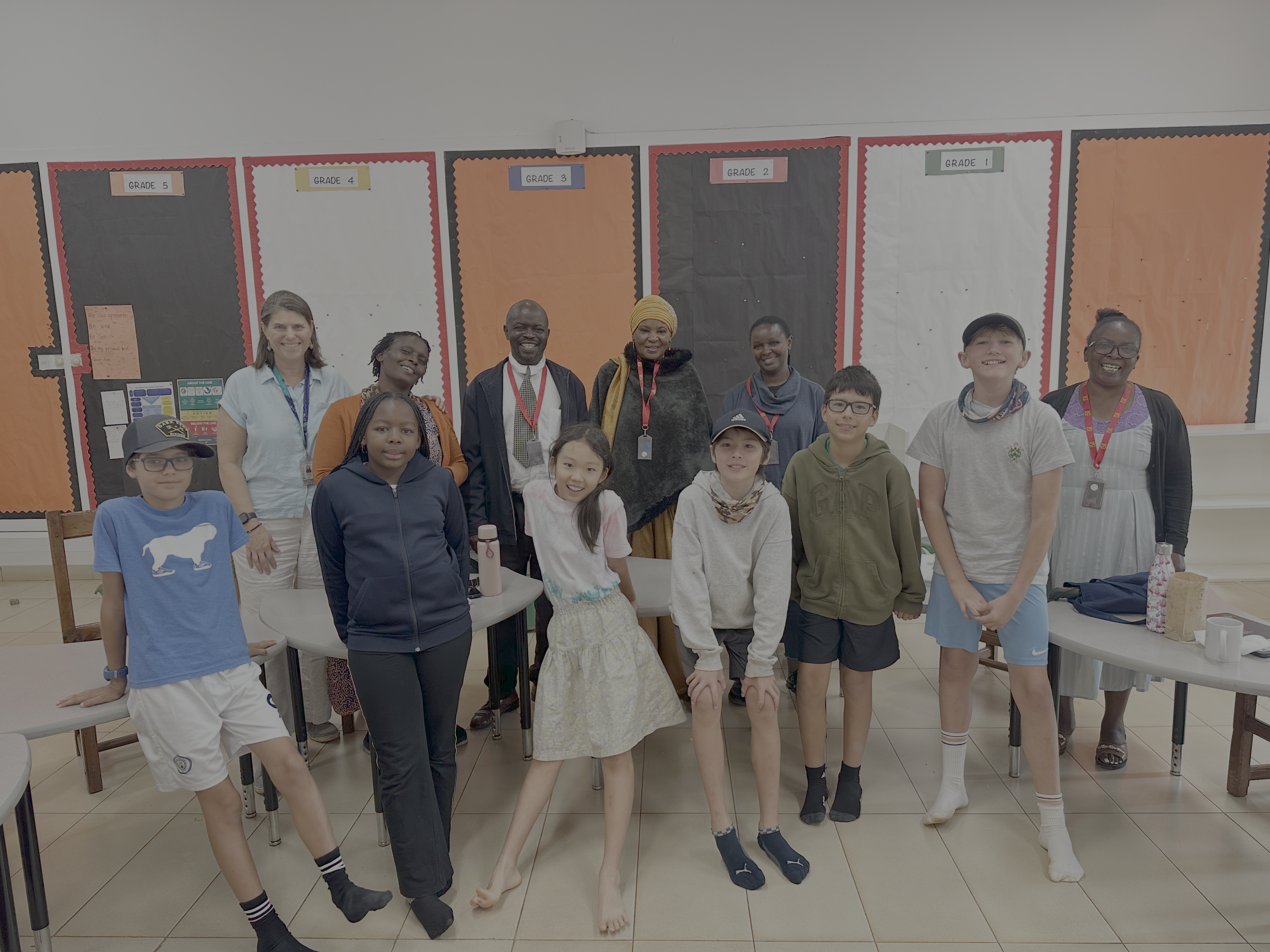
Authentic learning experiences connecting students to community leadership, SDG 6, rights, responsibility, advocacy, and locally led solutions.
Explore the ISK Partnership →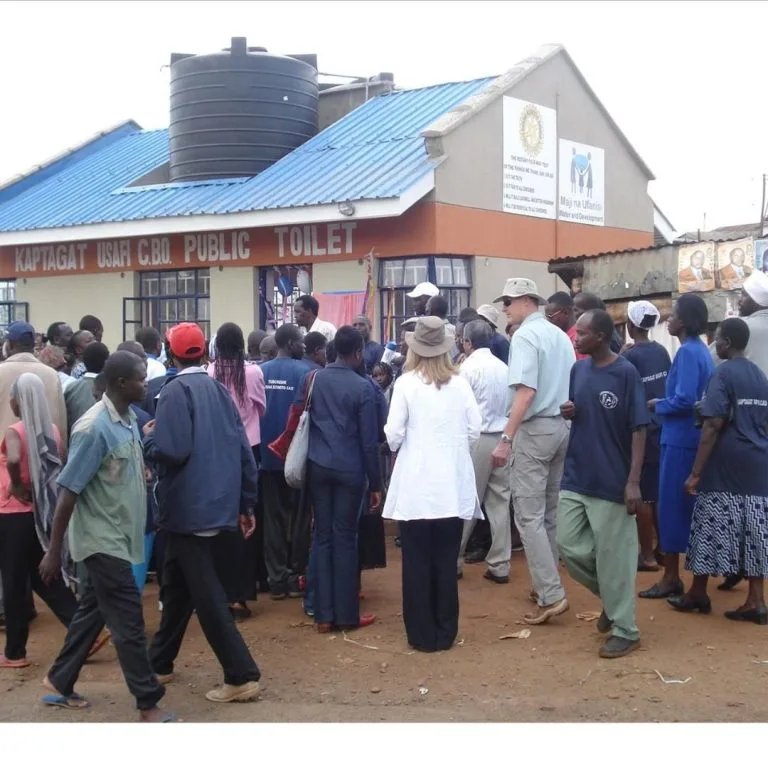
Governance, leadership, financial accountability, local management, CBO capacity, partnership coordination, and sustainability planning.
Explore Our Capacity →These initiatives demonstrate that lasting impact grows when local leadership, education, international solidarity, and practical implementation work together.
Grade 5 students met Vision Sisters, a women-led community organization in Kibra whose successful WASH facility, peacebuilding, enterprise, and resilience demonstrate what community ownership looks like. The partnership helped students understand that responsible advocacy begins with listening.
The Hungarian Charity Service of the Order of Malta and Maji na Ufanisi connect children and adults with disabilities to assessment, registration, home-based care, rehabilitation, inclusive education, accessible school WASH, and stronger community support.
“Maji na Ufanisi has transformed our community by providing access to clean water and sanitation. Before their intervention, we struggled with waterborne diseases and inadequate sanitation facilities. Now, we can live healthier and more dignified lives.”
“As a partner of Maji na Ufanisi, I have witnessed firsthand their impact on the ground. Their team is dedicated to finding sustainable solutions to Kenya’s water and sanitation crisis.”
“Before, we had to walk long distances to collect water from a polluted river. Now, we have a well that provides safe and clean water. We also received training on good hygiene.”
“We thought we were forgotten. But now we drink clean water. My children are safe. I am grateful.”
“Before the new toilets were built, we suffered a lot. Now, we have clean toilets, and our children are healthier. We are very grateful for the help.”
“The hygiene education programs have made a big difference. People now understand the importance of washing their hands and keeping their surroundings clean.”
Our programs grow stronger through collaboration with communities, public institutions, international organizations, schools, technical partners, and funders.


Maji na Ufanisi works with individual donors, foundations, companies, schools, UN agencies, NGOs, government institutions, technical experts, and community organizations.
Subscribe for program updates, impact stories, partnership opportunities, and organizational news. We respect your inbox. No spam.