WHO
Health, dignity, and school participation
WHO states that safe drinking water, sanitation, and hygiene are crucial to health and well-being and contribute to school attendance and dignity.
Read WHO guidance →
Maji na Ufanisi helps schools improve water, sanitation, hygiene, and menstrual health so learners can study in environments that protect health, dignity, safety, attendance, and equal opportunity.
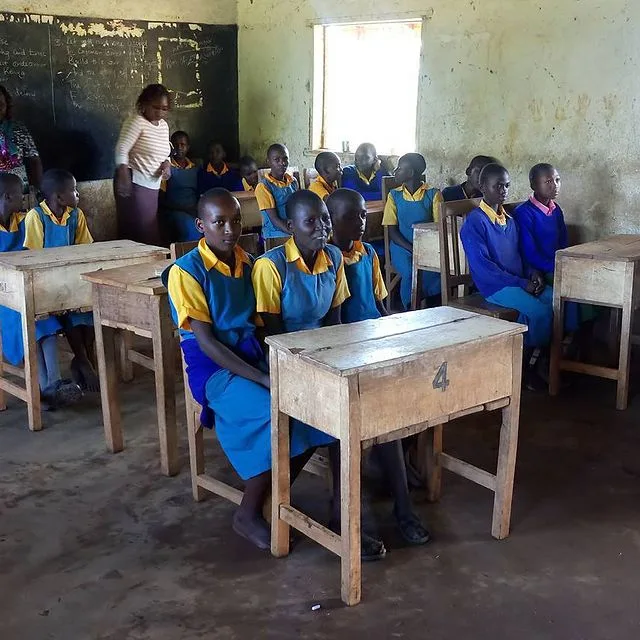
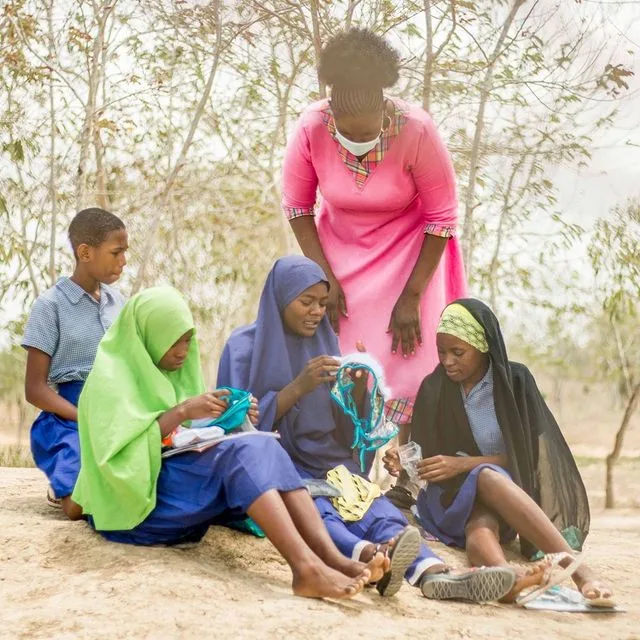
Schools cannot fulfil their promise when learners lack safe water, clean toilets, handwashing facilities, privacy, or reliable menstrual health support.
The World Health Organization recognises safe water, sanitation, and hygiene as essential to health, well-being, dignity, and school attendance. UNICEF similarly emphasises menstrual health programmes that improve knowledge, confidence, materials, and facilities.
Maji na Ufanisi applies local knowledge while drawing credibility from guidance and evidence published by respected global institutions.
WHO states that safe drinking water, sanitation, and hygiene are crucial to health and well-being and contribute to school attendance and dignity.
Read WHO guidance →UNICEF promotes programmes that strengthen menstrual health knowledge, confidence, skills, access to materials, and safe facilities.
Explore UNICEF guidance →The United Nations calls for universal and equitable access to safe water, sanitation, and hygiene, with attention to women and girls.
View UN SDG 6 →Learners may lack enough water for drinking, cleaning, handwashing, and menstrual hygiene.
Dirty, crowded, unsafe, or inaccessible toilets undermine health, privacy, and dignity.
Missing water, soap, or behaviour-change support allows preventable illness to spread.
Girls may struggle with fear, shame, inadequate privacy, limited information, or lack of materials.
Facilities that ignore disability, age, and gender can leave some learners behind.
Illness, discomfort, and inadequate menstrual support can affect attendance, concentration, and participation.
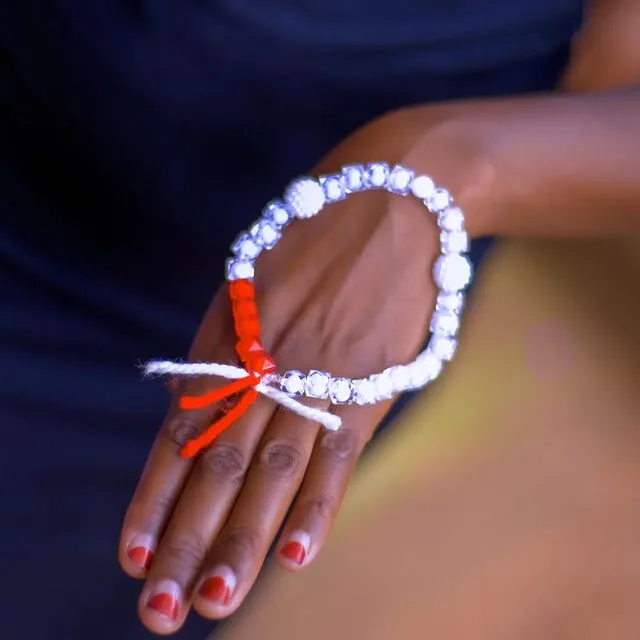
Period poverty is not only a lack of menstrual products. It can also mean inadequate information, unsafe toilets, no water, no privacy, stigma, fear, and limited support from adults.
These barriers can affect a girl’s confidence, comfort, concentration, attendance, and ability to participate fully in school. That is why Maji na Ufanisi treats menstrual health as part of a complete School WASH system—not as an isolated activity.
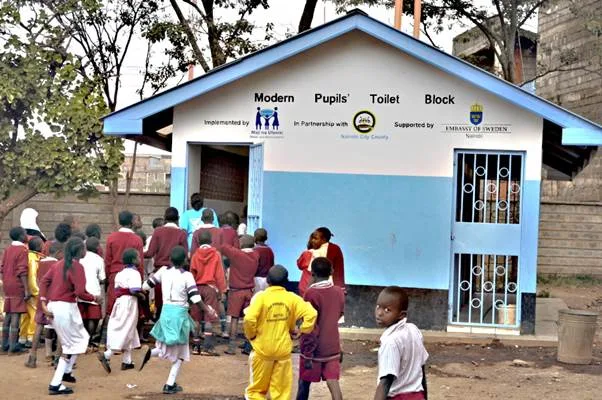
We work with school leaders, learners, communities, and partners to assess water availability, toilet conditions, privacy, accessibility, cleaning, and maintenance.
The goal is not simply to construct facilities. It is to help schools create systems that learners can safely use and school communities can responsibly maintain.
WHO calls for menstrual health to be recognised as a health and human rights issue. Our programme responds by combining accurate information, supportive school environments, privacy, materials, safe disposal, and respectful dialogue.
Girls should not have to hide, miss class, or feel ashamed because of a normal biological process. We help schools replace silence with knowledge and stigma with support.
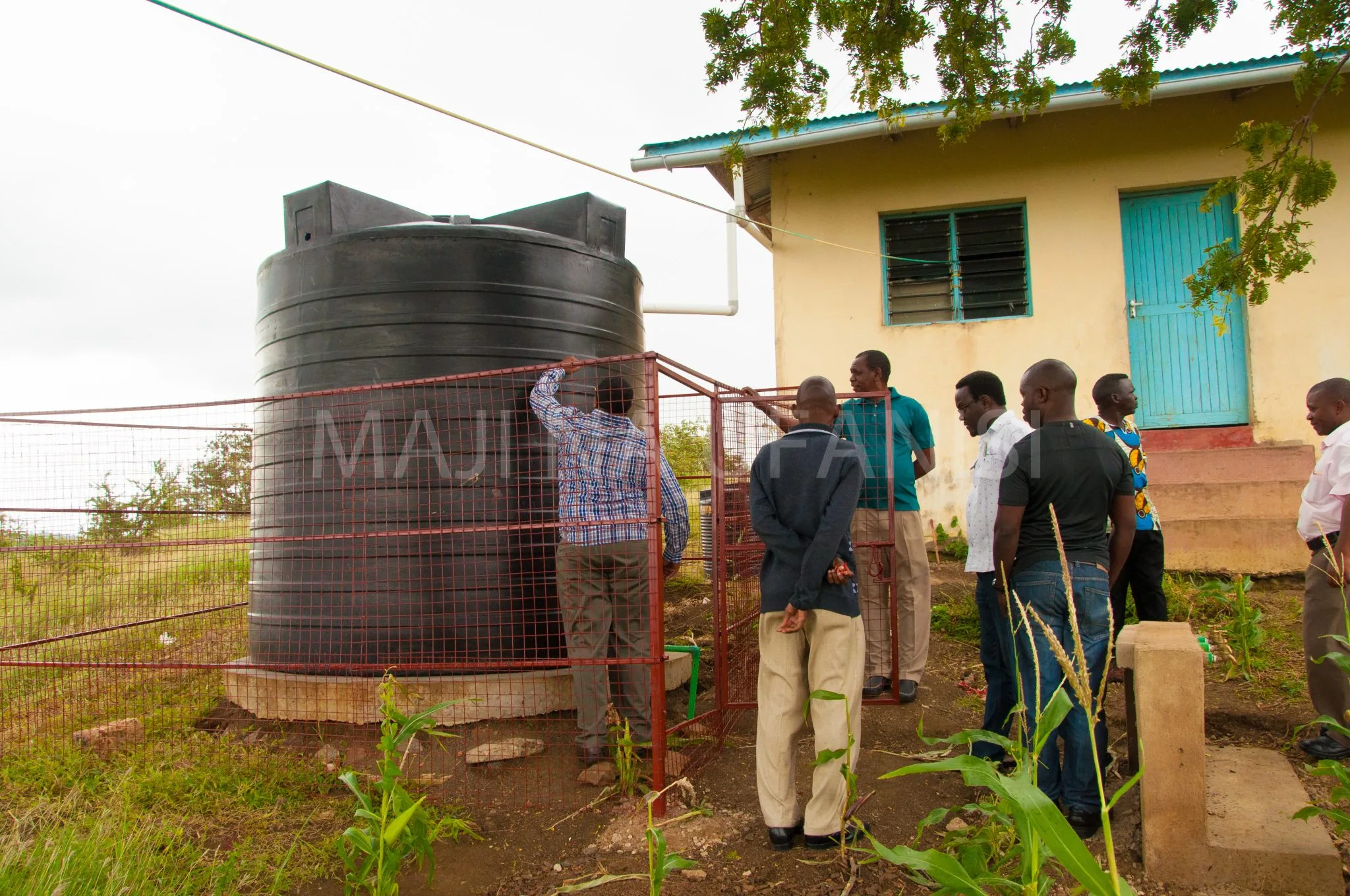
Handwashing facilities alone are not enough. Learners, teachers, cleaners, and school managers need practical knowledge, visible routines, adequate supplies, and consistent reinforcement.
We support school hygiene clubs, peer learning, demonstrations, awareness activities, and community participation so healthier behaviour becomes part of school culture.
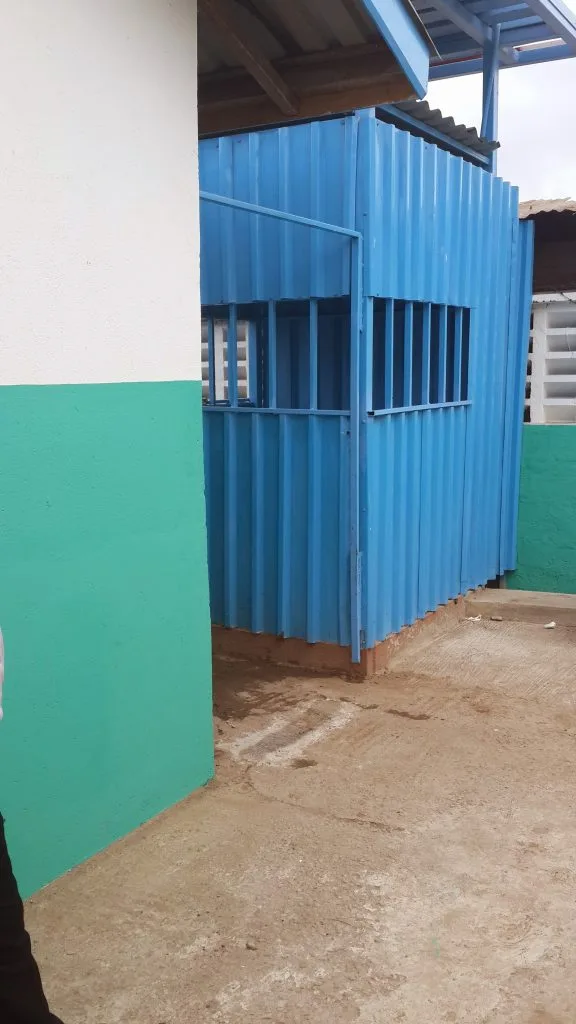
We strengthen the people and systems responsible for school WASH, including school management, teachers, learners, parents, boards, local authorities, and community partners.
Clear roles, maintenance planning, budgeting, monitoring, and learner participation help protect the investment and keep facilities working.
A private toilet, reliable water, trusted information, a supportive teacher, and access to menstrual materials can change how a girl experiences school.
WHO and UNICEF report that menstrual health needs are still overlooked in many schools globally. By investing in practical menstrual health support, partners help remove a barrier that can affect confidence, attendance, well-being, and equal learning opportunity.
Facilities, education, management, and learner participation are addressed together.
Girls receive information, privacy, supportive systems, and practical options.
Programme design reflects global WASH guidance and local assessment.
Safety, disability access, gender, age, and vulnerability are considered.
Learners, teachers, managers, parents, and communities help shape the programme.
Maintenance, supplies, budgeting, and accountability are built in early.
The programme supports attendance, concentration, health, and equal participation.
Transparent implementation, monitoring, and audited reporting strengthen confidence.
“The biggest change is not only the water. Our children now learn in a cleaner, safer environment, and parents feel more confident about sending them to school.”
“The menstrual health support gave girls more confidence and reduced the shame that often keeps them away from class.”
“Before the new toilets were built, we suffered a lot. Now, we have clean toilets, and our children are healthier.”
“Girls now have a safer place, better information, and teachers they can approach without fear or embarrassment.”
“The project involved learners, teachers, and parents. That shared ownership has made it easier to keep the facilities clean and working.”
“The programme combines infrastructure, education, inclusion, and accountability—the elements needed for sustainable school WASH.”
Your partnership can help provide safe water, clean toilets, handwashing facilities, menstrual health education, supportive materials, and stronger school systems for children who deserve a healthier learning environment.