Research & Advocacy | Maji na Ufanisi
Research & Advocacy

Evidence that moves decisions—and improves lives.

Maji na Ufanisi transforms community experience into credible research, practical recommendations, and policy advocacy that strengthens water, sanitation, hygiene, climate resilience, and inclusive development in Kenya.

Community-rootedResearch begins with people most affected
Decision-readyEvidence translated into practical recommendations
Policy-facingInsights designed to inform duty-bearers and partners
Open knowledgeSelected reports available for public learning
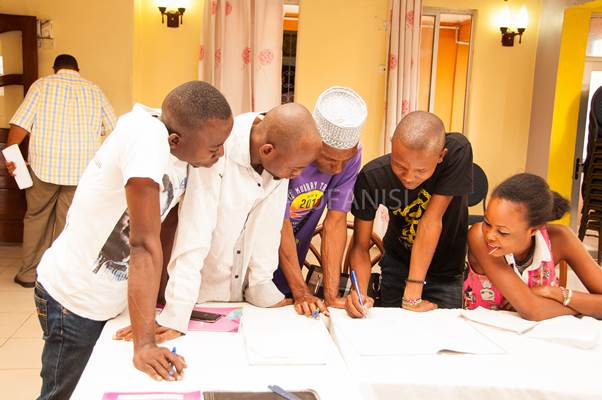
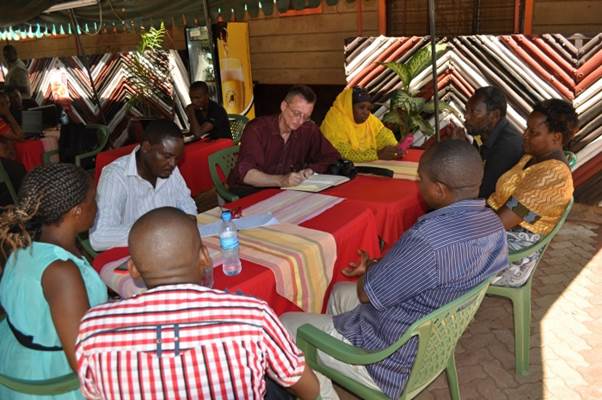
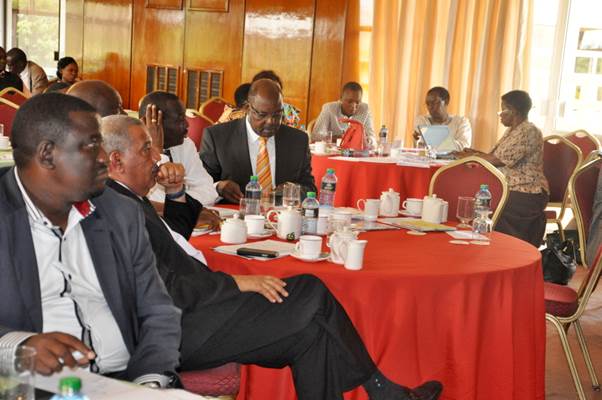
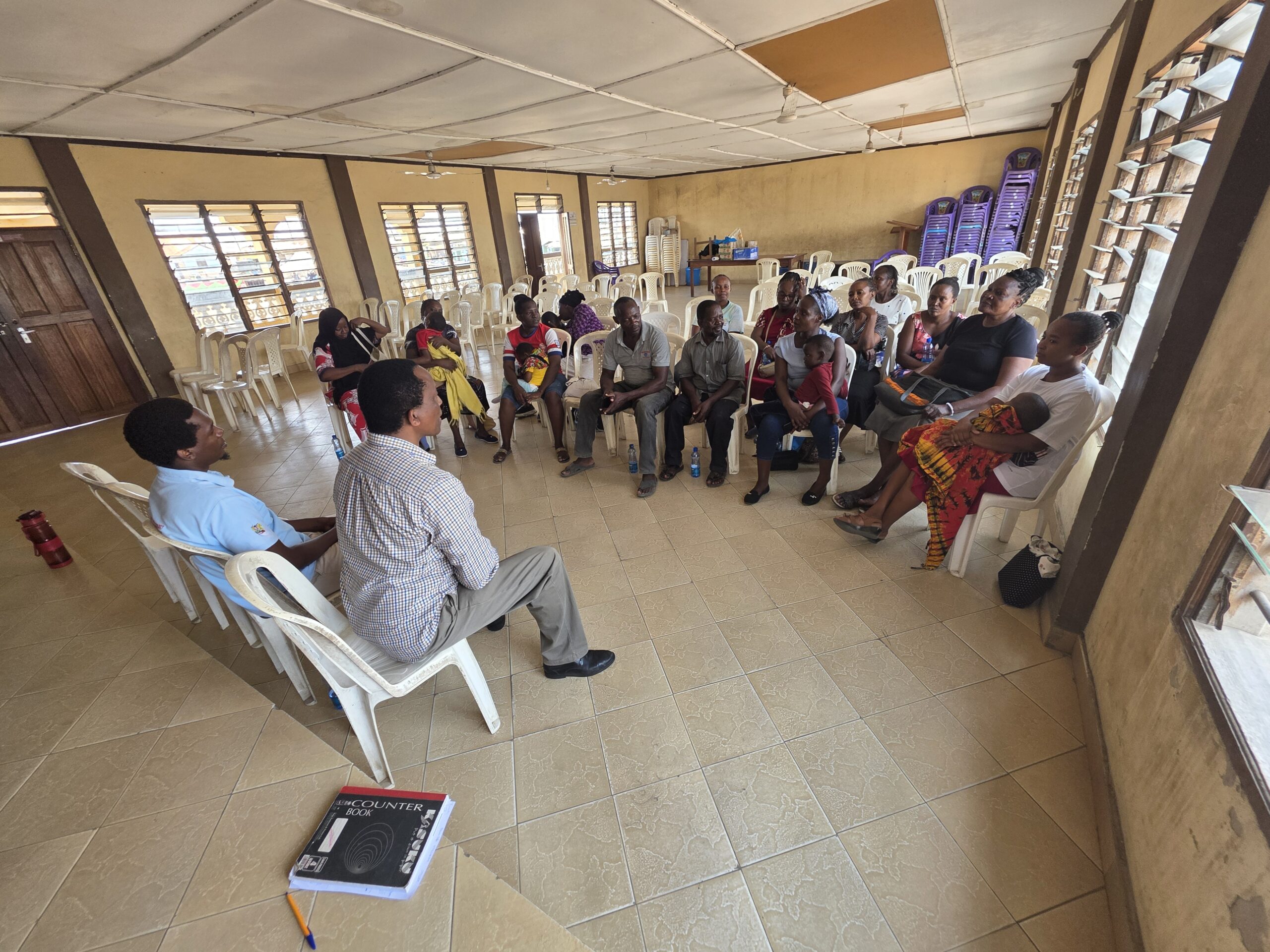
Field evidence and community researchCommunity participation in research and advocacy
Why research matters

Good intentions are not enough. Better decisions require evidence.

Water and sanitation challenges are shaped by inequality, governance, climate pressure, public health, gender, disability, infrastructure, and local behaviour.

That is why Maji na Ufanisi does more than implement projects. We study conditions, listen to communities, assess what works, identify gaps, and use evidence to help institutions design more effective and equitable responses.

When research reflects lived experience and speaks clearly to decision-makers, it becomes more than a report. It becomes a tool for accountability, investment, and change.
Credible frameworks

Locally grounded. Internationally relevant.

Our work connects community evidence with recognised global guidance on public health, water security, climate resilience, and sustainable development.

WHO

Public health and WASH

WHO identifies safe water, sanitation, and hygiene as foundations for health, dignity, and resilient communities.

Read WHO guidance →
UNICEF

Equity and access

UNICEF highlights inclusive WASH systems for children, schools, rural communities, and climate-affected populations.

Explore UNICEF WASH →
UN

Sustainable Development Goal 6

SDG 6 calls for universal and equitable access to safe water, sanitation, and hygiene.

View SDG 6 →
World Bank

Water, climate, and development

World Bank research connects water security, governance, climate resilience, and human well-being.

Explore resources →
Featured publications

Research designed to be read, used, and acted upon.

Download selected studies, evaluations, and assessments that document needs, test assumptions, identify solutions, and strengthen accountability.
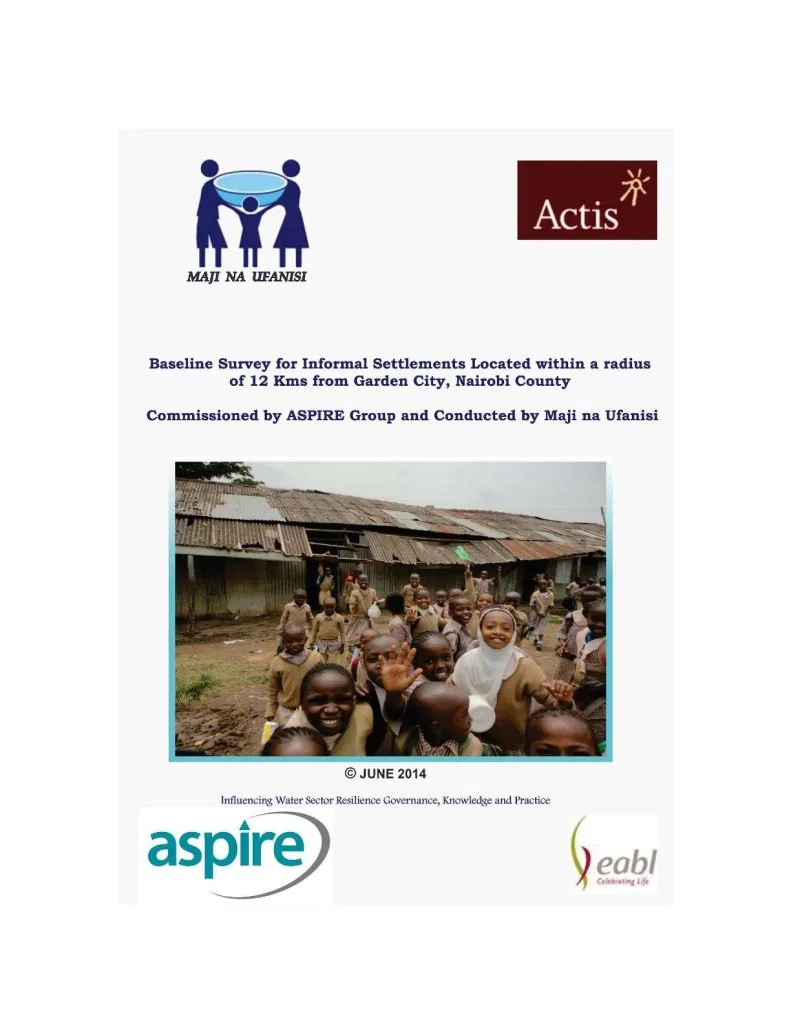
Baseline Survey cover
Baseline study

Baseline Survey for Informal Settlements in Nairobi

A detailed needs assessment covering WASH, learning environments, livelihoods, health, sanitation, security, and socio-economic realities.

Read the PDF →
Climate resilience report cover
Climate resilience

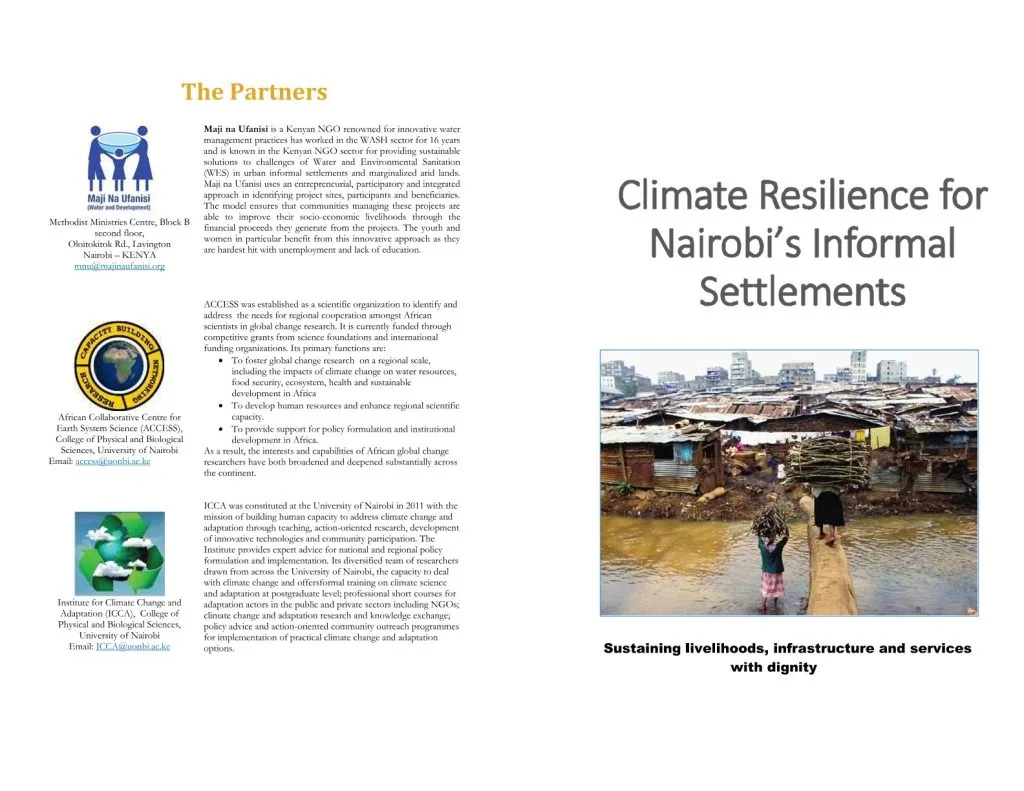
Climate Resilience for Nairobi’s Informal Settlements

An evidence resource examining climate risks facing underserved urban communities and practical resilience options.

Read the PDF →
Climate resilience analysis
Research analysis

Analysis of Climate Resilience Options

A technical report exploring vulnerability, adaptation opportunities, and practical responses for Nairobi’s informal settlements.

Read the PDF →
School WASH impact assessment
Impact assessment

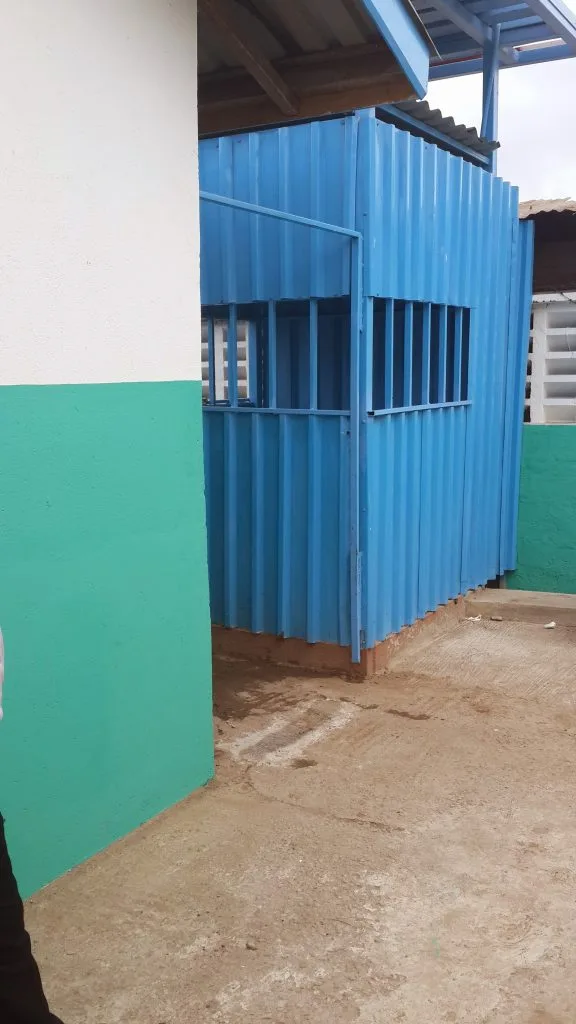
Impact Assessment Study on WASH in Schools

An independent assessment examining programme implementation, outcomes, lessons, and school-level change.

Read the PDF →
Programme evaluation
Evaluation

Final Programme Evaluation Report

A structured evaluation of programme performance, beneficiary experience, implementation quality, outcomes, and lessons.

Read the PDF →
Research and policy advocacy
Thought leadership

The Role of Research in Shaping WASH Policies in Kenya

An accessible analysis of how evidence, monitoring, climate research, and policy engagement improve WASH decisions.

Read the article →
Research themes

Evidence across the issues that shape WASH outcomes.

💧

Water security

Access, affordability, reliability, quality, management, and climate risk.

🏫

School WASH

Sanitation, hygiene, attendance, learner dignity, and menstrual health.

🌍

Climate resilience

Urban and rural vulnerability, adaptation, and resilient infrastructure.

🏙️

Informal settlements

Service gaps, inequality, governance, public health, and community systems.

⚖️

Policy and governance

Rights, accountability, participation, institutions, and service delivery.

👩🏾

Gender equality

The unequal WASH burden carried by women and girls.

Disability inclusion

Accessibility, dignity, participation, and equitable service design.

📊

Monitoring and evaluation

Outcomes, learning, accountability, sustainability, and improvement.

How evidence creates change

From community experience to better public decisions.

Our role is not complete when a report is published. We help move evidence from listening to action.
1
ListenCommunity priorities
2
ResearchData collection and analysis
3
InterpretClear findings
4
ConvenePolicy dialogue
5
InfluencePlans, budgets, programmes
6
MeasureProgress and learning
Stakeholder engagement and policy advocacy
Evidence-led advocacy

We help make invisible barriers impossible to ignore.

Research gains power when the right people understand it, trust it, and see a clear path to action.

Maji na Ufanisi uses evidence to strengthen public participation, elevate community voices, improve programme design, and engage institutions responsible for water, sanitation, public health, education, climate adaptation, and local development.

County governments
National institutions
Water service providers
Donors and foundations
Civil society networks
Community organisations
Schools and universities
Private-sector partners
Commission or partner on research

Need credible evidence for your next WASH, climate, education, or governance programme?

Partner with Maji na Ufanisi to design a baseline, conduct an assessment, evaluate an intervention, document community experience, analyse policy, or translate evidence into practical advocacy.