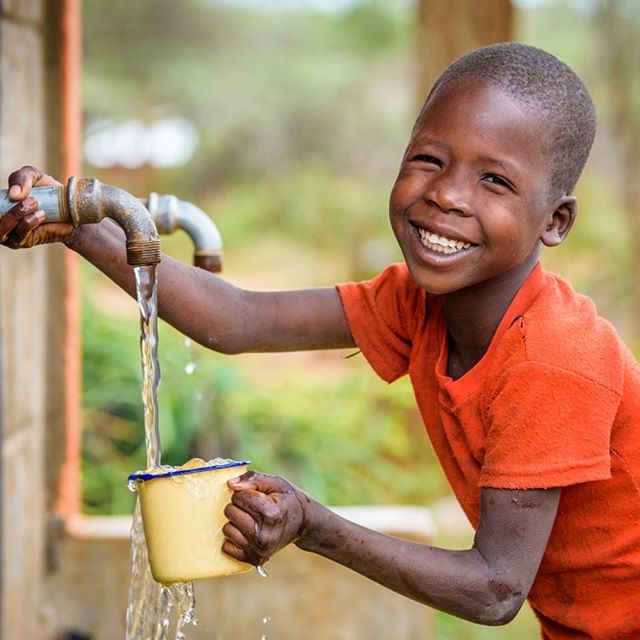
Access to safe water, sanitation, and hygiene (WASH) in schools isn’t just about infrastructure — it protects health, supports steady attendance, and restores dignity for learners. In densely populated contexts like Githurai’s Mwiki Primary School in Kiambu County, inadequate WASH conditions have long hindered education and wellbeing.
Maji na Ufanisi’s Mwiki Primary School WASH Transformation is changing that reality for 4,965 learners and 85 teachers — creating safer, healthier learning environments and helping children thrive.
Why School WASH Matters
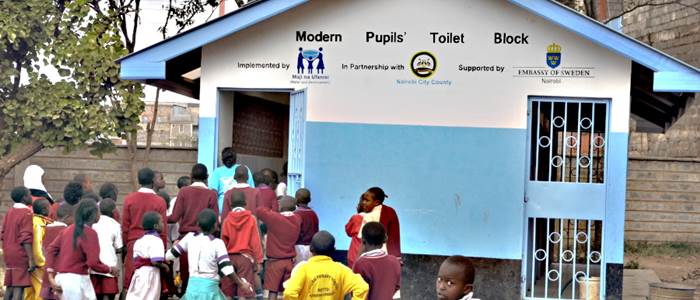
When schools lack clean water and safe toilets, children — especially girls — miss class, fall sick more often, and struggle academically.
Across low-income settings, inadequate sanitation and hygiene contribute directly to preventable illnesses like diarrhea, which is a leading cause of school absenteeism and child mortality. Evidence from school WASH research underscores that access to clean water, functional toilets, and hygiene education reduces disease spread and strengthens school attendance.
Beyond health, proper school WASH affirms dignity — an essential human experience that shapes self-confidence, school engagement, and long-term motivation to learn.
The Challenge at Mwiki Primary
Before the project began, Mwiki Primary faced serious WASH barriers:
- Severe overcrowding: Nearly 5,000 learners with limited sanitation infrastructure.
- Broken and unhygienic toilets: Facilities were unsafe and insufficient for pupils’ needs.
- Limited access to reliable water: Students lacked consistent access to drinking and hand-washing water.
- Girls faced menstrual hygiene challenges: Without proper washrooms or products, many girls missed school.
These barriers are common across Kenya’s underserved schools, where sanitation gaps contribute to preventable illness and gender-based absenteeism.
What the WASH Transformation Project Does
Maji na Ufanisi’s project provides comprehensive solutions designed for sustained impact:
1. Construction of Modern Sanitation Facilities
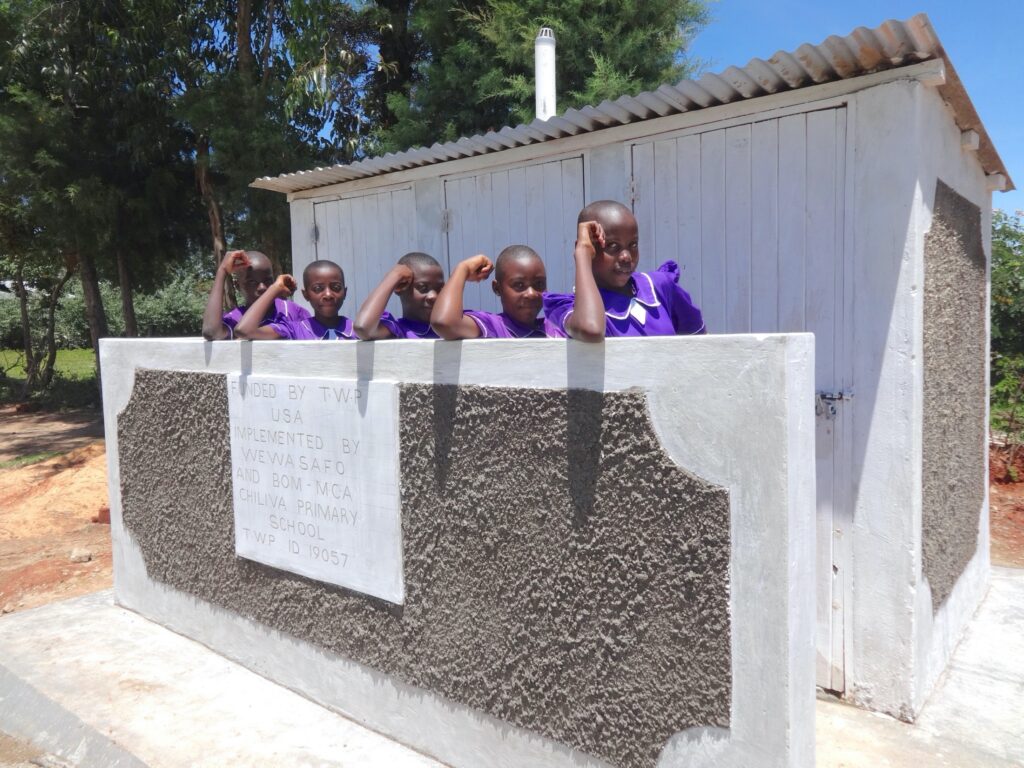
The project will fund construction of 50 modern toilets and 10 hand-washing stations, addressing the underlying hygiene gaps at Mwiki Primary.
These new facilities:
- Reduce the spread of disease by safely separating waste
- Provide privacy and dignity, especially for girls
- Improve overall school sanitation standards
2. Rehabilitation of 54 Old Latrines
Rehabilitating old latrines prevents sanitation hazards and ensures long-term usability. This step avoids leaving children to fend for themselves with unsafe or unusable toilets.
3. Reliable Water Connection
Connecting the school to reliable water supplies transforms daily life:
- Clean drinking water encourages hydration and better concentration
- Hand-washing stations help prevent disease spread
- Teachers can consistently deliver hygiene education
Reliable water access is fundamental to all other WASH gains.
4. Menstrual Health Management & Supplies

The project includes:
- Distribution of reusable sanitary towels to 1,870 girls
- Underwear for 1,890 boys
This ensures students of all genders participate fully and with dignity.
Menstrual hygiene support fosters:
- Reduced absenteeism among adolescent girls
- Elevated confidence and equality in school settings
5. Training for Teachers, Pupils & the Community
Infrastructure must be matched with knowledge and practice. The project includes training on:
- Hand-washing and personal hygiene
- Latrine maintenance
- Community health promotion
Trained school WASH committees sustain the improvements long after construction ends.
The Impact You Create
Your support for this project results in measurable transformation at Mwiki Primary:
- Stronger attendance: Students miss fewer school days due to illness.
- A safe learning environment for 5,000 children.
- Confidence and dignity for girls and boys alike.
- Improved hygiene practices throughout the community.
This life-changing work is part of Maji na Ufanisi’s long-standing commitment to sustainable WASH — strengthened by over 27 years of expertise in Kenya.
How School WASH Supports Health & Learning
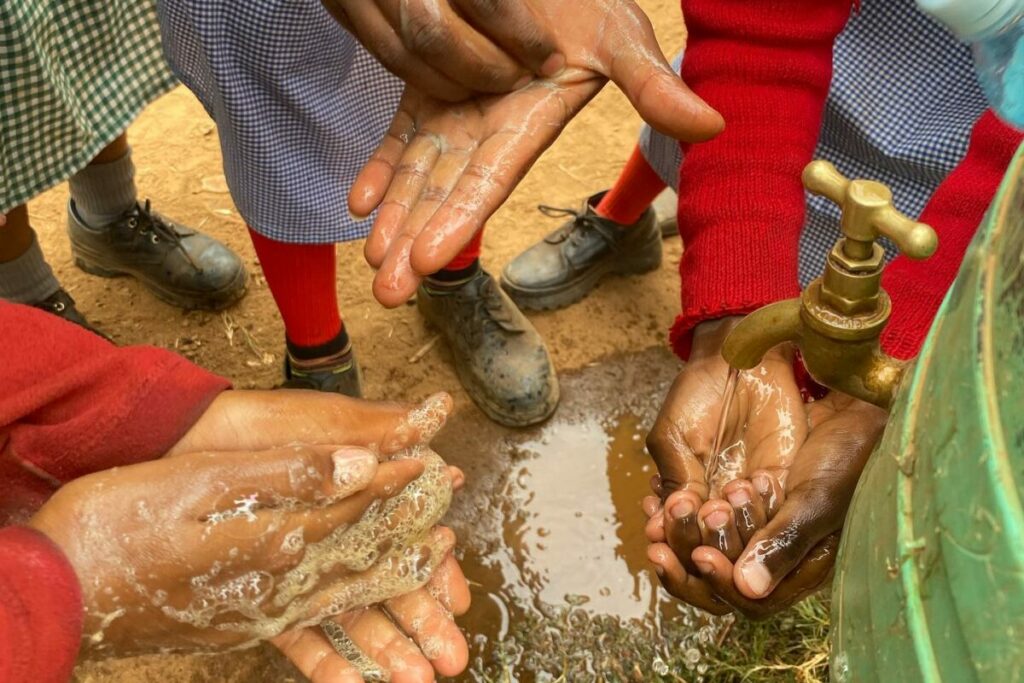
Investments in school WASH serve both health and education outcomes:
- Reduced disease burden: Clean water and toilets help prevent waterborne illnesses.
- Improved learning environments: When basic needs are met, academic engagement improves.
- Gender equity: Safe toilets and menstrual hygiene support help girls stay in school.
WASH programming like this links directly to Kenya’s broader efforts to improve public health and education outcomes.
Your Invitation to Make a Difference
Transforming WASH at Mwiki Primary requires continued support from caring donors like you. Here’s how contributions help:
- $25 — Provides a child with a year of safe water access
- $100 — Supports construction of sanitation facilities
- $250+ — Helps fund comprehensive school WASH infrastructure
Each gift — no matter the size — brings dignity, health, and opportunity to children at Mwiki and beyond.
👉 Support the Mwiki WASH Transformation Project: Visit the Our Fiscally-Sponsored Projects page on the Maji na Ufanisi website to donate and learn more.
Also Read
- The Impact of Clean Water Access on Education and Gender Equality
- Menstrual Dignity Is a Right: Why Girls in Informal Settlements Are Missing School
- The Impact of Clean Water Access on Education and Gender Equality
FAQs
1. What does “WASH” mean?
WASH stands for Water, Sanitation, and Hygiene — the foundation of healthy schools.
2. Why does Mwiki Primary need improved WASH?
The school’s large population lacked adequate toilets, water, and menstrual health resources.
3. What results can donors expect?
Stronger attendance, healthier students, and improved dignity for all learners.
4. How many learners benefit?
Nearly 5,000 children and their teachers.
5. How does menstrual hygiene support help girls?
Reusable sanitary towels and safe toilets reduce absenteeism and stigma.
6. Are donations tax-deductible?
Yes — Maji na Ufanisi uses a fiscal sponsor that makes donations tax-deductible in the U.S.
7. Does the project include hygiene education?
Yes — training is provided for teachers, learners, and the community.
8. Can this model be replicated?
Maji na Ufanisi implements similar WASH projects in other schools like Thika Primary.
9. How long has the organization worked in WASH?
Over 27 years of impact in Kenya.
10. How does WASH affect learning outcomes?
By preventing illness and creating safe environments, WASH boosts attendance and student engagement.
Conclusion
The Mwiki Primary School WASH Transformation Project is more than infrastructure — it is a catalyst for healthier, more equitable education and community wellbeing. When children have access to safe water, dignified toilets, and hygiene support, their potential unfolds.Donate today — be part of lasting change at Mwiki Primary and in schools across Kenya.