In Jomvu Subcounty, Mombasa, hundreds of children with disabilities remain hidden in plain sight—excluded from classrooms, social protection systems, and opportunities that could transform their futures. Yet, a powerful pathway exists to change this reality: from completing the NCPWD disability registration process to securing school sponsorship and long-term educational support.
For many families, the journey begins with a simple but life-changing document—a disability certificate in Kenya. What follows can open doors to inclusive education, financial relief, assistive devices, and government-backed social protection programs.
This is the story of how structured disability support services in Kenya are unlocking hope for children with disabilities in Jomvu—and what more needs to be done.
Understanding the Barriers Facing Children with Disabilities in Jomvu
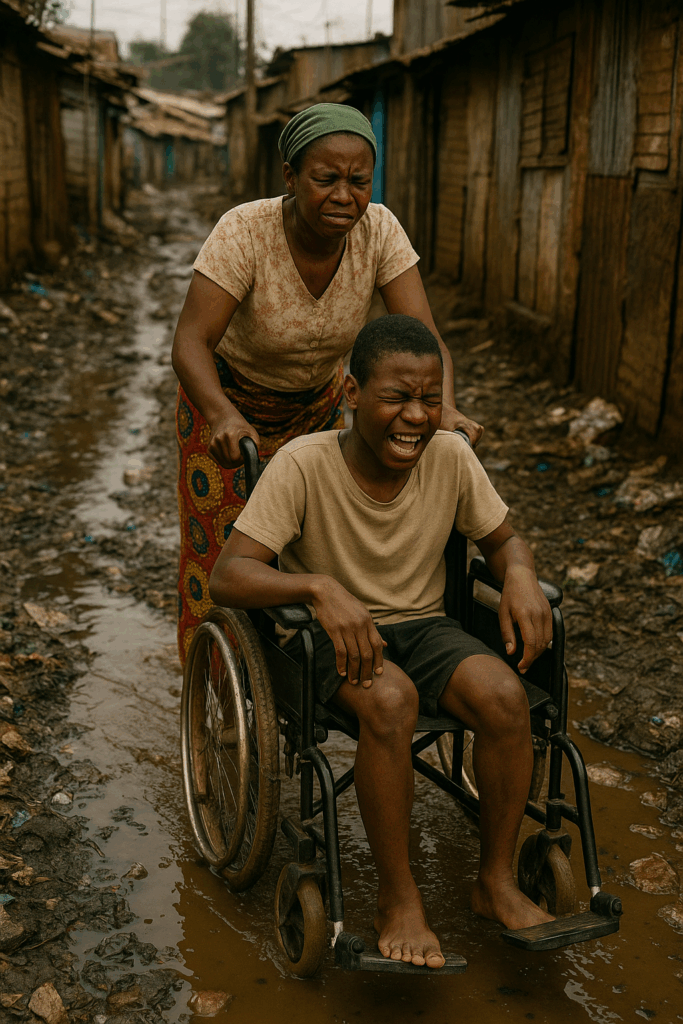
Despite progress in policy and awareness, children with disabilities in Jomvu continue to face significant challenges:
- Limited access to inclusive schools
- High poverty levels within households
- Social stigma and discrimination
- Lack of assistive devices and specialized care
- Minimal awareness about available social protection programs in Mombasa
Without proper documentation and support, many of these children remain excluded from the very systems designed to protect them.
The first critical step toward inclusion is formal registration through the National Council for Persons with Disabilities (NCPWD).
The NCPWD Disability Registration Process: A Gateway to Opportunity
The NCPWD disability registration process is a structured government system that formally recognizes persons with disabilities and links them to services and benefits.
What Is Required?
To obtain a disability certificate in Kenya, families typically need:
- A medical assessment report from a certified medical practitioner
- Copies of identification documents (birth certificate or national ID for guardians)
- Completed NCPWD registration forms
- Passport-sized photos
- Submission to the county NCPWD office
Once approved, the individual receives an official disability certificate.
While this may sound straightforward, many families in Jomvu are unaware of the process or lack the resources to navigate it. Transportation costs, documentation gaps, and limited information often become barriers.
Yet this certificate is more than paperwork—it is access.
Why the Disability Certificate in Kenya Matters
The disability certificate in Kenya serves as legal recognition and unlocks multiple benefits, including:
- Eligibility for government cash transfer programs
- Access to education support for children with disabilities
- Consideration for NHIF support and medical subsidies
- Qualification for assistive devices
- Tax exemptions (for eligible households)
- Priority in certain social services
For children in Jomvu, this document often determines whether they can attend school consistently—or not at all.
Without registration, families struggle alone. With registration, systems begin to respond.
Also Read: Invisible No More:The Impact of Disability Registration In Bogobogo.
Education Support for Children with Disabilities: Breaking the Cycle
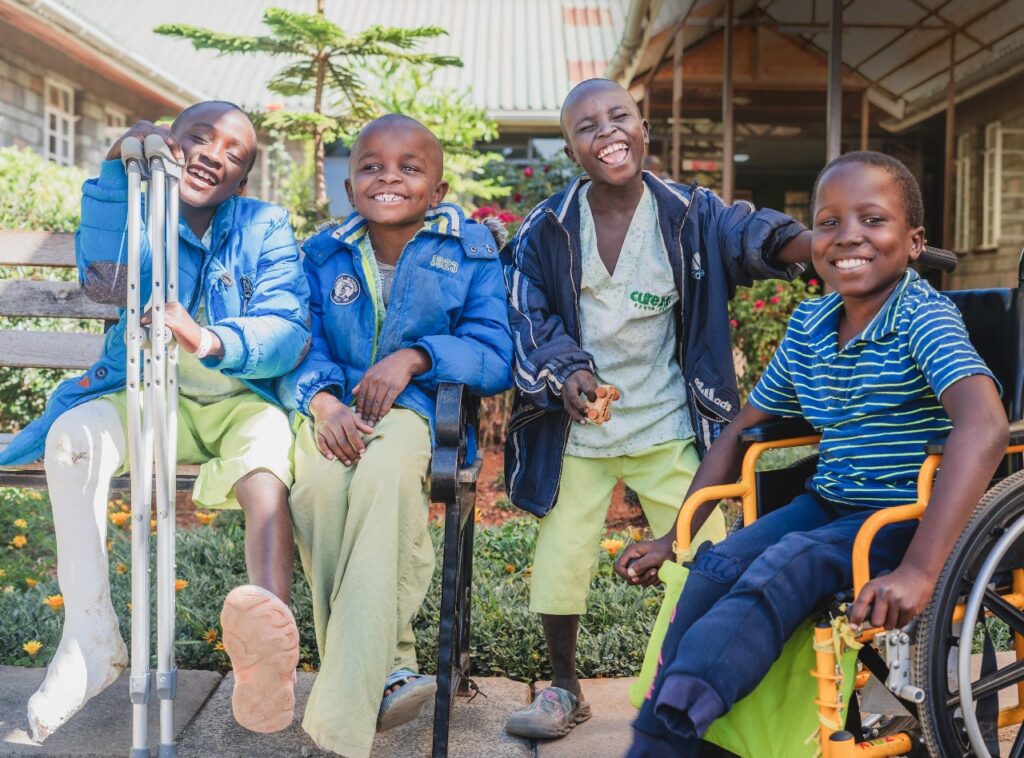
Education remains one of the most transformative interventions for children with disabilities. However, school fees, uniforms, transport, and specialized learning materials create financial strain for already vulnerable households.
Through targeted education support for children with disabilities, registered families can access:
- School sponsorship programs
- Tuition subsidies
- Learning materials and assistive devices
- Referrals to inclusive or special needs schools
- Psychosocial support services
In Jomvu, sponsorship initiatives have enabled children who were previously confined at home to enroll in school for the first time. Some receive braille materials. Others access hearing aids. Some simply gain the confidence that comes from being accepted in a classroom.
The ripple effect extends beyond the child. Families experience reduced financial pressure, siblings remain in school, and community perceptions begin to shift.
Inclusive Education in Jomvu: Progress and Gaps
The concept of inclusive education in Jomvu is gaining traction. Schools are increasingly aware of the need to accommodate diverse learners, but practical challenges remain.
Key Barriers:
- Inadequate teacher training in special needs education
- Limited infrastructure (ramps, accessible toilets)
- Overcrowded classrooms
- Shortage of specialized learning materials
However, partnerships between local organizations, schools, and government agencies are slowly improving the landscape.
When disability registration aligns with school sponsorship, children are not just enrolled—they are supported.
Inclusive education is not simply about physical access; it is about meaningful participation.
Social Protection Programs in Mombasa: Strengthening Family Resilience
Beyond education, social protection programs in Mombasa play a critical role in supporting families with children with disabilities.
Programs such as cash transfers for persons with severe disabilities provide regular financial assistance to vulnerable households. This income helps families:
- Pay school-related expenses
- Cover medical costs
- Improve nutrition
- Invest in small businesses
- Reduce dependency and exploitation risks
Yet many eligible families remain unregistered due to lack of awareness.
Strengthening outreach in Jomvu ensures that social protection reaches those who need it most. Registration is the bridge between vulnerability and resilience.
Disability Support Services in Kenya: Building a Coordinated Ecosystem
Kenya has made considerable strides in strengthening disability support services. These include:
- County-level disability offices
- Medical assessment panels
- Assistive device distribution programs
- Vocational training initiatives
- Community-based rehabilitation services
However, coordination remains essential.
In areas like Jomvu, collaboration between civil society, schools, healthcare providers, and government institutions ensures children do not fall through the cracks.
The journey from disability registration to school sponsorship works best when systems communicate and families are guided step-by-step.
A Family’s Journey: From Isolation to Inclusion

Consider a typical case in Jomvu:
A mother notices developmental delays in her six-year-old child. Without knowledge of available services, she keeps the child at home. The family struggles financially, and neighbors reinforce stigma.
Through community outreach, she learns about the NCPWD disability registration process. With assistance, she obtains a medical assessment and secures a disability certificate.
Soon after:
- The child qualifies for school sponsorship.
- Teachers receive guidance on accommodation strategies.
- The family enrolls in a cash transfer program.
- The child receives learning support materials.
What began as isolation transforms into participation.
Multiply this story across dozens of households, and the impact becomes community-wide.
Why Early Registration Matters
Early registration ensures:
- Timely educational placement
- Early intervention services
- Reduced long-term dependency
- Better psychosocial development
- Improved life outcomes
Delays in the disability registration process often mean missed developmental windows.
In Jomvu, strengthening early identification through schools and community health volunteers can significantly improve long-term outcomes.
The Role of Community Awareness
No system can succeed without community buy-in.
Awareness campaigns in Jomvu are helping shift perceptions around disability. Families are learning that disability is not a curse or punishment—it is a condition requiring support and inclusion.
Key strategies include:
- Community barazas (public forums)
- School outreach programs
- Religious institution engagement
- Local radio messaging
- Parent support groups
When communities understand the value of inclusive education in Jomvu, resistance decreases and support grows.
Moving From Policy to Practice
Kenya’s legal framework strongly supports disability rights, including the Persons with Disabilities Act and constitutional protections. However, implementation gaps persist at the grassroots level.
Bridging these gaps requires:
- Simplifying the disability certificate application process
- Decentralizing NCPWD services
- Strengthening data collection
- Expanding sponsorship funding
- Training educators in inclusive methodologies
In Jomvu, coordinated local action is demonstrating that change is possible when registration, sponsorship, and social protection systems align.
The Bigger Picture: Breaking Intergenerational Poverty
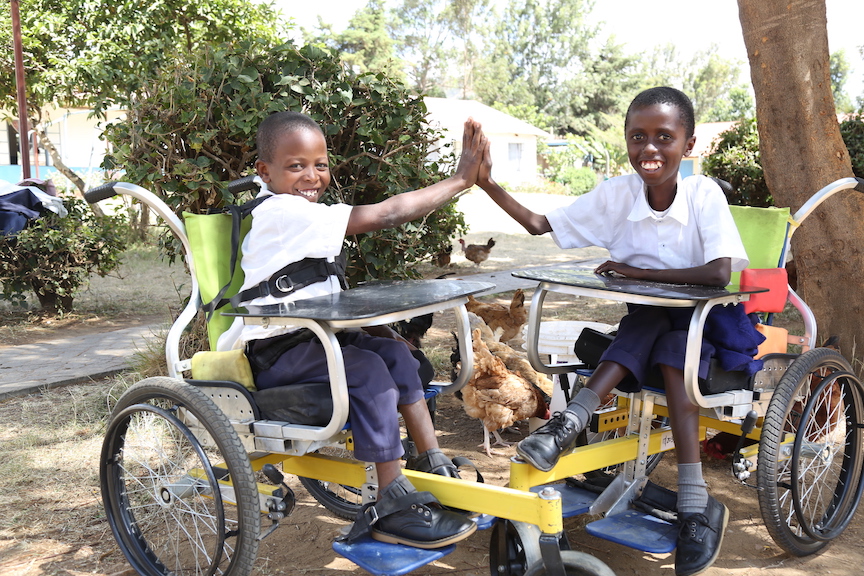
Children with disabilities face disproportionate poverty risks. Without education and support, they are more likely to experience lifelong exclusion.
But when properly registered and supported:
- School attendance increases
- Household income stabilizes
- Future employment prospects improve
- Social integration strengthens
The pathway from disability registration to school sponsorship is not just administrative—it is transformational.
It shifts children from invisibility to empowerment.
A Call to Action
Unlocking opportunities for children with disabilities in Jomvu begins with awareness and action.
Families must understand the importance of the NCPWD disability registration process. Schools must champion inclusive education in Jomvu. Policymakers must strengthen social protection programs in Mombasa. Organizations must expand education support for children with disabilities.
And communities must embrace inclusion as a shared responsibility.
A disability certificate is not just a document—it is dignity.
School sponsorship is not just financial aid—it is the future.
Social protection is not just support—it is stability.
When systems work together, children with disabilities in Jomvu can thrive—not just survive.
The journey begins with registration.
The destination is an opportunity.
FAQS
1. What is the NCPWD disability registration process?
It is the official government process of registering persons with disabilities to access benefits and support services in Kenya.
2. How do I get a disability certificate in Kenya?
You need a medical assessment report, ID or birth certificate copies, photos, and completed forms submitted to the NCPWD county office.
3. Is the disability certificate free?
Registration is generally free, but you may pay for medical assessments, photos, or transport.
4. Why is a disability certificate important?
It gives legal recognition and access to cash transfers, education support, assistive devices, and other benefits.
5. What education support is available for children with disabilities?
Support may include school sponsorship, tuition assistance, learning materials, and referrals to inclusive or special needs schools.
6. What are social protection programs in Mombasa?
They are government support programs, including cash transfers, aimed at helping vulnerable households with persons with disabilities.
7. Can a child go to school without a disability certificate?
Yes, but the certificate makes it easier to access specialized support and sponsorship programs.
8. How long does disability registration take?
It may take several weeks to a few months, depending on document verification and county processing.
9. What types of disabilities qualify for registration?
Physical, sensory, intellectual, developmental, and mental disabilities can qualify after medical assessment.
10. Where can families in Jomvu get help with registration?
They can visit the Mombasa NCPWD office, local health facilities, or seek help from community organizations supporting disability services.