Introduction
Some lessons stay with students long after the classroom session ends.
Facts and textbooks explain global challenges. Meeting the people behind those challenges creates understanding that lasts.
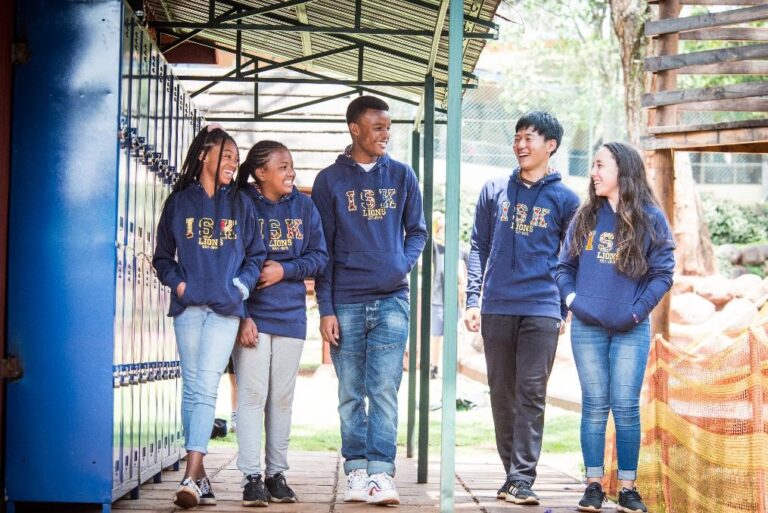
Between March and May 2026, the International School of Kenya (ISK) and Maji na Ufanisi (Water and Development) built a partnership that transformed learning about Sustainable Development Goal 6, Clean Water and Sanitation, into a meaningful human experience. Instead of studying Water, sanitation and hygiene (WASH) through reports alone, Grade 5 students met women who have spent years improving access to clean water and dignified sanitation in their own community.
The collaboration supported ISK’s Grade 5 Rights, Responsibilities and Advocacy unit. Students explored how communities organize, advocate, and lead change. At the center of the experience stood the Vision Sisters, a women’s community organization in Kibera whose journey reflects resilience, collective action, and long-term stewardship.
The partnership reflected shared values rather than a single school activity. Both organizations believe young people learn best when they connect with real communities and understand how local leadership shapes sustainable development.
Why This Partnership Began

The collaboration started with a conversation in March 2026.
ISK Grade 5 teacher Kirsten McGarigal contacted Maji na Ufanisi to explore opportunities for authentic learning around SDG 6. Students were already studying rights, advocacy, and global citizenship. The teaching team wanted learners to engage with people whose lived experiences could deepen classroom discussions.
Maji na Ufanisi welcomed the idea.
For almost three decades, the organization has worked alongside communities across Kenya to strengthen Water, sanitation and hygiene (WASH), climate resilience, governance, and community leadership. Rather than delivering solutions for communities, the organization supports communities to strengthen their own capacity to manage resources and influence decisions affecting their lives. This philosophy aligned closely with ISK’s educational approach, which encourages students to become active participants in creating positive change.
Shared Values Created Strong Foundations
Successful partnerships begin with a shared purpose.
ISK inspires students to become thoughtful global citizens. Maji na Ufanisi works alongside communities to strengthen local leadership and sustainable development.
Both organizations value:
- Community participation
- Human rights
- Youth leadership
- Environmental stewardship
- Long-term learning
- Sustainable solutions
These shared priorities made the partnership feel natural rather than transactional.
Instead of arranging a one-time guest presentation, both organizations designed an experience where students could ask questions, listen carefully, and understand how advocacy develops over many years.
Planning That Put Learning First
The planning process unfolded over several months.
An online meeting introduced both teams and explored how community experiences could strengthen classroom learning. The discussions covered educational resources, student engagement, possible field experiences, and curriculum alignment.
As planning progressed, security considerations prevented a student visit to Kibera.
Rather than viewing this as an obstacle, both organizations redesigned the experience.
Teachers visited the Vision Sisters community first. Later, community representatives visited ISK, allowing students to engage directly with them in a familiar learning environment.
This flexible approach reflected respect for student safety while protecting the authenticity of community voices.
The Teachers Learned Before the Students
Before introducing students to the Vision Sisters, ISK teachers visited the community with Maji na Ufanisi Community Organiser Fred Amouk.
The visit provided valuable context.
Teachers saw the Water, sanitation and hygiene (WASH) facility developed through community leadership with support from Maji na Ufanisi. They met the women behind the work. They listened to stories about organizing, persistence, and shared ownership.
This experience helped teachers prepare students with greater understanding and confidence.
According to the engagement report, the visit left the teachers deeply encouraged by what they witnessed and strengthened their appreciation of community-led development.
Students Met People, Not Projects
The classroom session became the heart of the partnership.
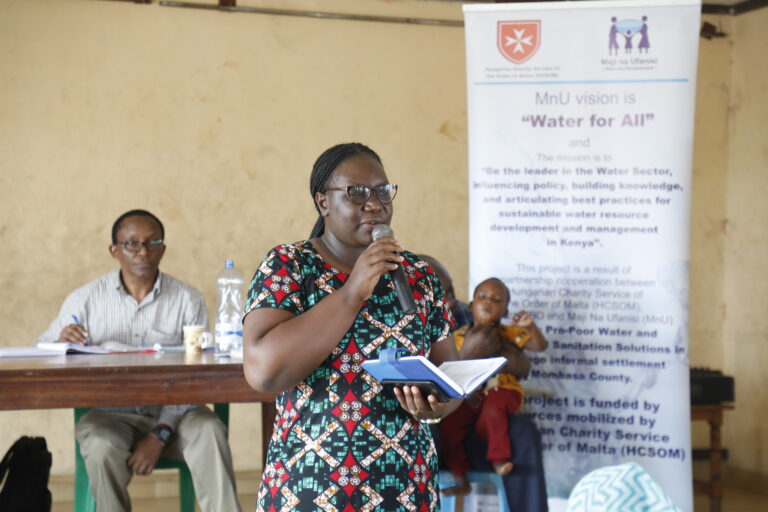
On 13 May 2026, Vision Sisters representatives joined Grade 5 students at the International School of Kenya alongside Maji na Ufanisi Community Organiser Fred Amouk.
The discussion was conversational.
Students asked thoughtful questions.
Community representatives shared honest experiences.
Fred Amouk connected individual stories with broader themes including Water, sanitation and hygiene (WASH), community organizing, local governance, and sustainable development.
Instead of presenting statistics alone, the conversation centered on people.
Students learned:
- How women organized around shared challenges
- Why access to clean water requires community leadership
- How dignified sanitation improves daily life
- Why advocacy often begins with local action
- How communities continue managing improvements long after projects finish
These conversations transformed SDG 6 from an international goal into a lived reality.
Learning Beyond the Curriculum
The partnership achieved much more than curriculum delivery.
Students strengthened critical thinking through direct dialogue.
Teachers enriched classroom discussions with firsthand experiences.
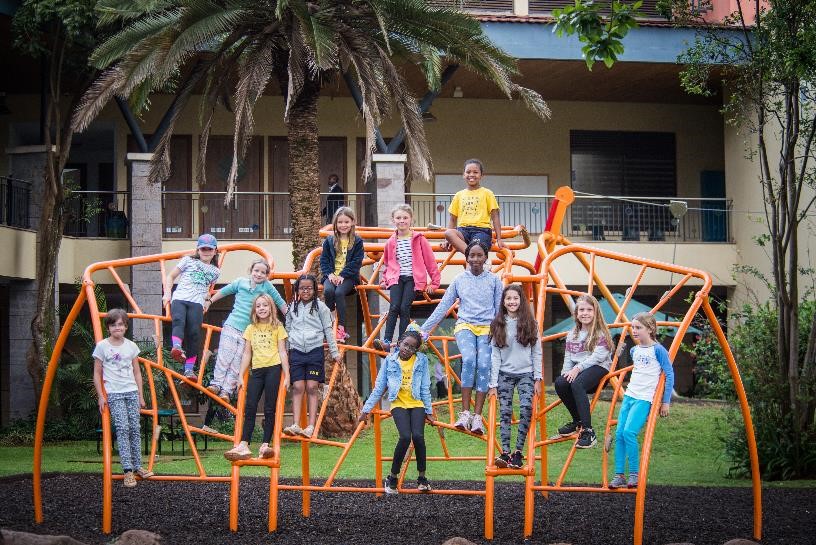
Community representatives shared their achievements with young people from more than seventy nationalities.
Maji na Ufanisi demonstrated how community-led development creates lasting change.
Each participant contributed knowledge.
Each participant learned from others.
This mutual learning reflects an important principle within community development. Strong partnerships recognize expertise in every participant.
The Vision Sisters were not invited to speak because they represented beneficiaries.
They participated because they are experienced community leaders whose knowledge deserves recognition.
Why Community Voices Matter
Development conversations often focus on organizations.
This partnership focused on people.
Students heard directly from women who worked together to improve their own community. Their stories illustrated determination, cooperation, and long-term commitment.
This approach matters because sustainable Water, sanitation and hygiene (WASH) depends on local ownership.
Infrastructure alone does not create lasting change.
Communities maintain systems.
Communities strengthen governance.
Communities advocate for improvements.
Communities continue the work long after construction ends.
That philosophy has guided Maji na Ufanisi since its founding and continues shaping partnerships across Kenya.
Education Builds Future Advocates
Schools play an important role in sustainable development.
Young people influence families, neighborhoods, and future institutions.
Maji na Ufanisi recognizes schools as important centers for climate education and Water, sanitation and hygiene (WASH) awareness within its strategic direction.
Working alongside schools creates opportunities for students to connect academic learning with practical action.
The ISK partnership demonstrates what this looks like.
Students gained deeper understanding.
Teachers strengthened learning.
Communities shared leadership.
Relationships developed across different experiences and perspectives.
This model offers lessons for other schools interested in connecting education with community-led development.
What This Partnership Achieved
The collaboration produced meaningful outcomes for everyone involved.
Students developed a richer understanding of rights, advocacy, and Water, sanitation and hygiene (WASH).
Teachers gained authentic local context for global learning.
Vision Sisters received recognition for years of community leadership.
Maji na Ufanisi strengthened relationships with educators committed to global citizenship.
Perhaps the greatest achievement was trust.
People who might never have met sat together, listened carefully, and learned from one another.
Those conversations often become the starting point for future leadership.
How Maji na Ufanisi Is Helping and How You Can Help
Maji na Ufanisi continues working alongside communities across Kenya to strengthen access to safe water, dignified sanitation, improved hygiene, climate resilience, and community governance.
The organization believes lasting development grows from local leadership, shared ownership, and long-term partnerships.
Through our fiscally sponsored projects, supporters in the United States are able to make tax-deductible contributions that strengthen community-led Water, sanitation and hygiene (WASH) initiatives while supporting transparent and accountable programming.
You can support this work by:
- Learning more about community-led Water, sanitation and hygiene (WASH).
- Sharing stories that highlight community leadership.
- Partnering with Maji na Ufanisi through schools, institutions, or organizations.
- Supporting fiscally sponsored projects that strengthen sustainable community development.
Also Read: From Blueprint to Sustainability: Community Ownership in Inclusive Sanitation
Wrap Up
The partnership between the International School of Kenya and Maji na Ufanisi shows what meaningful education looks like.
Students gained knowledge through conversation instead of assumption.
Community leaders shared experience with dignity and confidence.
Teachers strengthened learning through authentic local engagement.
The Vision Sisters reminded everyone in the room that lasting development begins with people who organize, lead, and invest in their own communities.
Those lessons extend far beyond a single classroom.
Frequently Asked Questions
1. What is the International School of Kenya Maji na Ufanisi partnership?
The partnership connected Grade 5 students with community leaders to support learning about SDG 6 through real experiences.
2. Why did ISK partner with Maji na Ufanisi?
The school wanted students to engage directly with organizations and communities working on Water, sanitation and hygiene (WASH).
3. Who are the Vision Sisters?
The Vision Sisters are a community-based women’s organization in Kibera that has led local Water, sanitation and hygiene (WASH) improvements with support from Maji na Ufanisi.
4. What did students learn?
Students explored advocacy, community leadership, water rights, sanitation, and sustainable development through direct conversations.
5. What role did teachers play?
Teachers prepared by visiting the community before introducing students to the classroom engagement.
6. Why is community leadership important?
Community leadership strengthens ownership, accountability, and long-term sustainability.
7. How does Water, sanitation and hygiene (WASH) relate to education?
Healthy learning environments support attendance, dignity, and student well-being.
8. What makes this partnership different?
The partnership centered community voices instead of traditional presentations.
9. Does Maji na Ufanisi work only with schools?
No. The organization partners with communities, governments, civil society organizations, and educational institutions across Kenya.
10. How can organizations partner with Maji na Ufanisi?
Schools, institutions, and partners interested in community-led Water, sanitation and hygiene (WASH) initiatives are encouraged to connect with the organization to explore collaborative opportunities.
They help shape the next generation of informed citizens who understand that sustainable change grows through partnership, respect, and shared responsibility.