In the heart of BogoBogo Village in Jomvu Sub-County, Mombasa County, a quiet but powerful transformation is taking place. For years, families raising children with disabilities in Mombasa have faced overwhelming challenges—limited access to services, stigma, financial strain, and social isolation. Today, through a focused and inclusive initiative, Maji na Ufanisi (MNU), in partnership with the Hungarian Charity Service of the Order of Malta (HCSOM), is helping to rewrite that story.
At its core, this initiative is about more than disability support. It is about community building in BogoBogo, restoring dignity, and ensuring that no caregiver or child is left behind.
The Hidden Struggles of Caregivers in BogoBogo
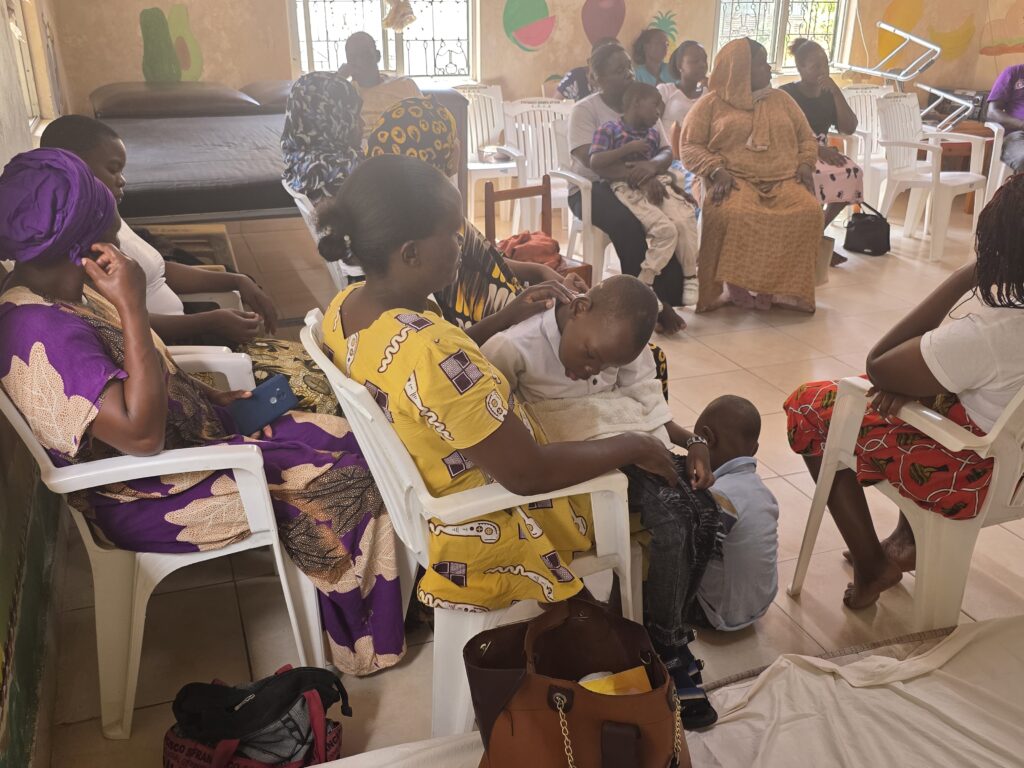
Caregivers of children with disabilities often carry invisible burdens. Many are mothers or grandmothers who dedicate their lives to providing constant care—frequently without training, financial stability, or emotional support. In underserved communities like BogoBogo, these challenges are amplified by poverty, limited access to specialized education, and inadequate health services.
For years, families navigated these realities alone. Social stigma further isolated both caregivers and their children, limiting participation in schools, community activities, and economic opportunities. The lack of structured support meant that many children with disabilities were excluded from educational and social development programs.
Recognizing this urgent need, Maji na Ufanisi launched a transformative Social and Educational Integration Program aimed at strengthening caregivers while promoting inclusion for children.
Maji na Ufanisi Disability Project: A Holistic Approach
The Maji na Ufanisi disability project in BogoBogo goes beyond charity—it is rooted in empowerment, sustainability, and inclusion. Guided by MNU’s vision of “Water for All” and its mission to influence resilience, governance, and best practices in Kenya’s development sector, the organization understands that strong communities are built by supporting their most vulnerable members.
This project focuses on three interconnected pillars:
- Caregiver empowerment in Kenya
- Social integration for children with disabilities
- Educational inclusion and capacity building
1. Caregiver Empowerment: From Isolation to Leadership
True transformation begins with empowering caregivers. Through structured training sessions, peer support groups, and mentorship, caregivers in BogoBogo are gaining practical skills and emotional resilience.
These sessions address:
- Understanding different types of disabilities
- Home-based care techniques
- Mental health and self-care strategies
- Income-generating opportunities
- Advocacy and rights awareness
By creating safe spaces for caregivers to share experiences, the program fosters solidarity and collective strength. Women who once felt isolated are now forming networks, exchanging solutions, and even stepping into community leadership roles.
This model of caregiver empowerment in Kenya demonstrates that when caregivers are supported, entire households become more stable and hopeful.
Also Read: What Makes an Effective Disability Support Programme?Lessons From Jomvu
Social and Educational Integration Program: Inclusion in Action
Children thrive when they are included, valued, and given equal opportunities to learn and grow. The Social and Educational Integration Program in BogoBogo seeks to dismantle barriers that have long excluded children with disabilities.
Through collaboration with local schools, community leaders, and health professionals, the program promotes:
- Inclusive classroom practices
- Teacher sensitization and training
- Community awareness campaigns to reduce stigma
- Structured play and social interaction sessions
By engaging teachers and parents together, MNU ensures that inclusion is not just a concept—but a daily practice. Children with disabilities are increasingly participating in school and community activities, building confidence and social skills that were previously stifled.
This approach aligns with MNU’s core values of equity and equal opportunity, ensuring every child has a fair chance to reach their potential.
Community Building in BogoBogo: A Collective Responsibility
Sustainable change cannot happen in isolation. It requires collective ownership. That is why community building in BogoBogo is central to the project’s success.
Local leaders, caregivers, teachers, and youth groups are actively involved in designing and implementing activities. By empowering the community to lead, MNU strengthens governance structures and ensures the program’s long-term sustainability.
The result? A shift in mindset.
Disability is no longer viewed as a private family issue but as a shared community responsibility. Conversations that were once avoided are now happening openly. Awareness campaigns are challenging harmful stereotypes. Community members are becoming advocates for inclusion.
This shift represents a deeper transformation—one that extends beyond individual families and reshapes the social fabric of BogoBogo.
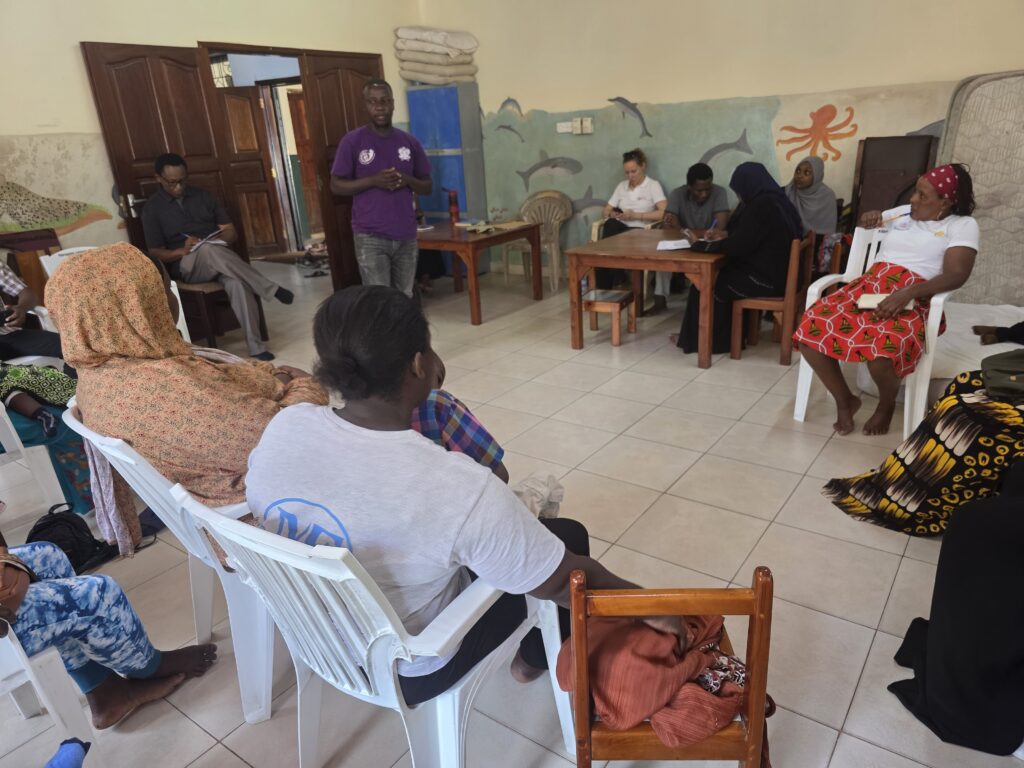
The Role of the Hungarian Charity Service of the Order of Malta (HCSOM)
Partnership has been key to the project’s success. The Hungarian Charity Service of the Order of Malta (HCSOM) brings global expertise and unwavering commitment to humanitarian service.
Through technical support, funding, and collaboration, HCSOM strengthens MNU’s capacity to deliver impactful, community-driven programs. Together, the partnership ensures that interventions are not temporary relief efforts but sustainable solutions grounded in dignity and respect.
The collaboration demonstrates how international solidarity can drive meaningful local change—empowering caregivers, strengthening institutions, and improving the lives of children with disabilities in Mombasa.
Breaking the Cycle of Stigma
One of the most profound impacts of the program is its work in reducing stigma. Disability-related stigma often leads to:
- Social isolation
- Limited educational access
- Emotional distress for caregivers
- Reduced economic participation
Through awareness forums, community dialogues, and inclusive events, the project is fostering empathy and understanding. Parents are learning that disability is not a curse or a source of shame. Children are being seen for their abilities rather than their limitations.
As attitudes shift, opportunities expand.
Economic Empowerment and Resilience
Caregiving responsibilities can limit income-generating opportunities. Recognizing this, the project incorporates economic empowerment initiatives to strengthen household resilience.
Caregivers are introduced to small-scale income activities and group savings models. These initiatives not only improve financial stability but also boost self-confidence and independence.
By linking disability inclusion with economic empowerment, the program reflects MNU’s mission of promoting resilience and sustainable development.
Aligning with MNU’s Vision and Mission
Maji na Ufanisi’s vision of “Water for All” extends beyond access to water—it embodies the belief that every person deserves dignity, equity, and opportunity.
Through the Maji na Ufanisi disability project, the organization demonstrates that inclusive development is essential for achieving this vision. By empowering caregivers and integrating children into education and community life, MNU strengthens governance, enhances knowledge management, and promotes best practices in social development.
The initiative reflects the organization’s core values:
- Integrity in community engagement
- Professionalism in program delivery
- Equity in serving marginalized populations
- Equal opportunity for every child
A Model for Inclusive Development in Kenya
The BogoBogo initiative offers a scalable model for caregiver empowerment in Kenya and inclusive community development. It demonstrates that:
- Empowered caregivers create resilient families.
- Inclusive education strengthens communities.
- Partnerships amplify impact.
- Community ownership ensures sustainability.
As the program continues to evolve, it provides valuable lessons for other regions in Kenya seeking to support children with disabilities in Mombasa and beyond.
The Road Ahead
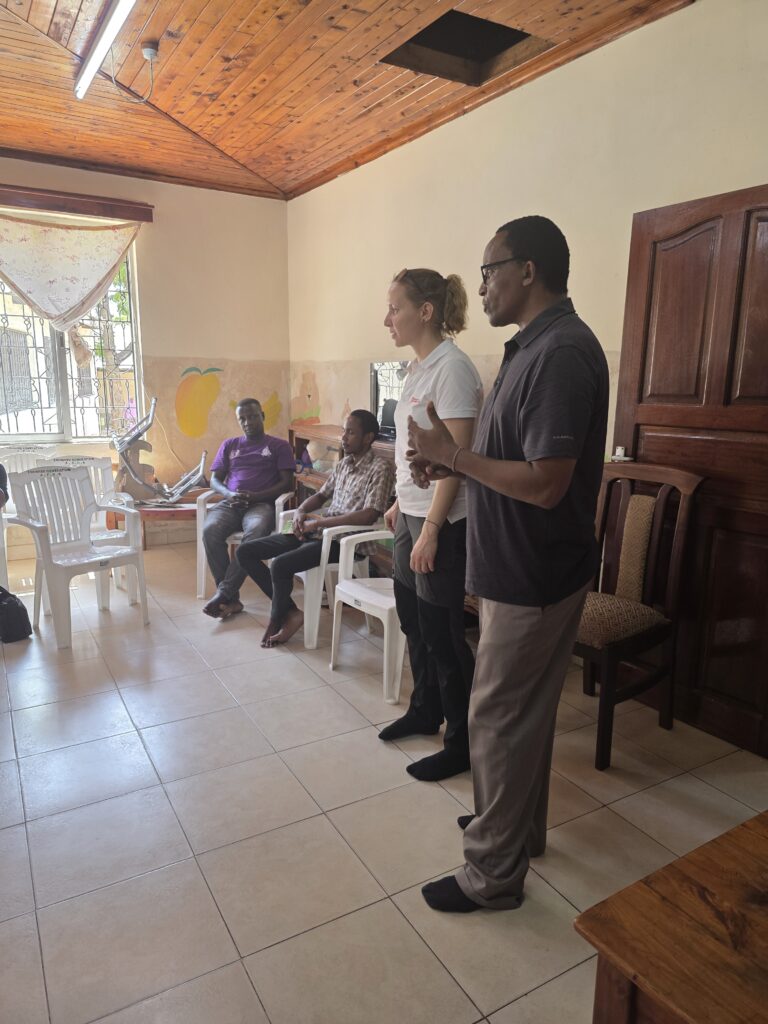
While progress is evident, the journey is ongoing. Expanding access to specialized services, increasing resources for inclusive education, and strengthening caregiver networks remain priorities.
However, one thing is clear: BogoBogo is no longer defined by limitation—it is defined by possibility.
Caregivers who once struggled alone now stand together. Children who were once hidden are now visible, learning, and thriving. A community that once viewed disability through stigma is now embracing inclusion.
Building Stronger Communities, One Family at a Time
The story unfolding in BogoBogo is a powerful reminder that sustainable development begins with people. By investing in caregivers and championing inclusion, Maji na Ufanisi and the Hungarian Charity Service of the Order of Malta are building stronger, more compassionate communities.
Through strategic community building in BogoBogo, a robust Social and Educational Integration Program, and a commitment to caregiver empowerment in Kenya, this initiative is transforming lives.
Because when caregivers are empowered and children with disabilities are included, communities don’t just change—they thrive.
And in BogoBogo, that transformation has only just begun.
FAQS
1. What is the purpose of the Maji na Ufanisi disability project?
The project empowers caregivers and promotes inclusion for children with disabilities in BogoBogo, Mombasa.
2. Who benefits from this initiative?
Caregivers and children with disabilities in Mombasa benefit directly, along with the wider BogoBogo community.
3. What is the Social and Educational Integration Program?
It promotes inclusive education, social participation, and equal learning opportunities for children with disabilities.
4. How does the project empower caregivers in Kenya?
Caregivers receive training, peer support, rights awareness, and income-generating skills.
5. Why is community building important in BogoBogo?
It reduces stigma, strengthens support systems, and ensures sustainable inclusion.
6. Who supports this project?
The project is supported by the Hungarian Charity Service of the Order of Malta (HCSOM).
7. How does the program reduce stigma?
Through community awareness forums, dialogues, and inclusive activities.
8. Does the project support inclusive education?
Yes. It works with schools and teachers to promote inclusive classroom practices.
9. How does this align with Maji na Ufanisi’s mission?
It promotes resilience, equity, and equal opportunity in community development.
10. How can someone support the initiative?
By partnering, donating, advocating, or collaborating with Maji na Ufanisi.