Introduction
Education becomes more meaningful when students experience the world beyond textbooks.
Classroom lessons build knowledge. Conversations with people who have lived those experiences build understanding. When schools create opportunities for students to listen, ask questions, and engage with communities, learning becomes personal.
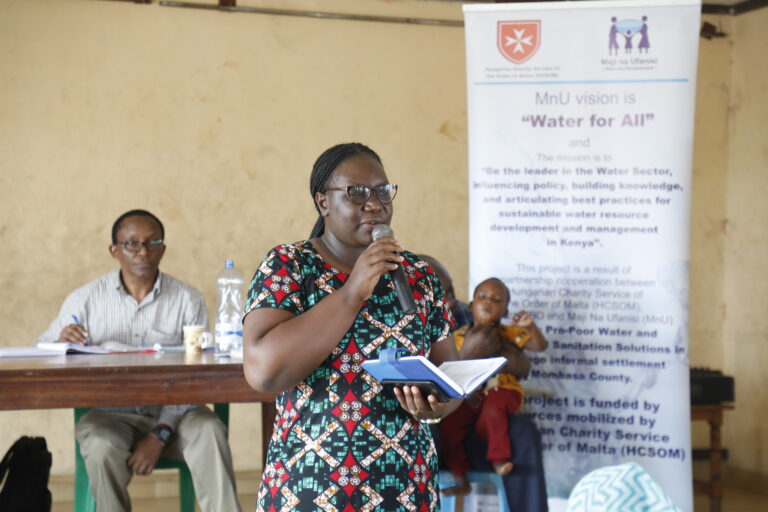
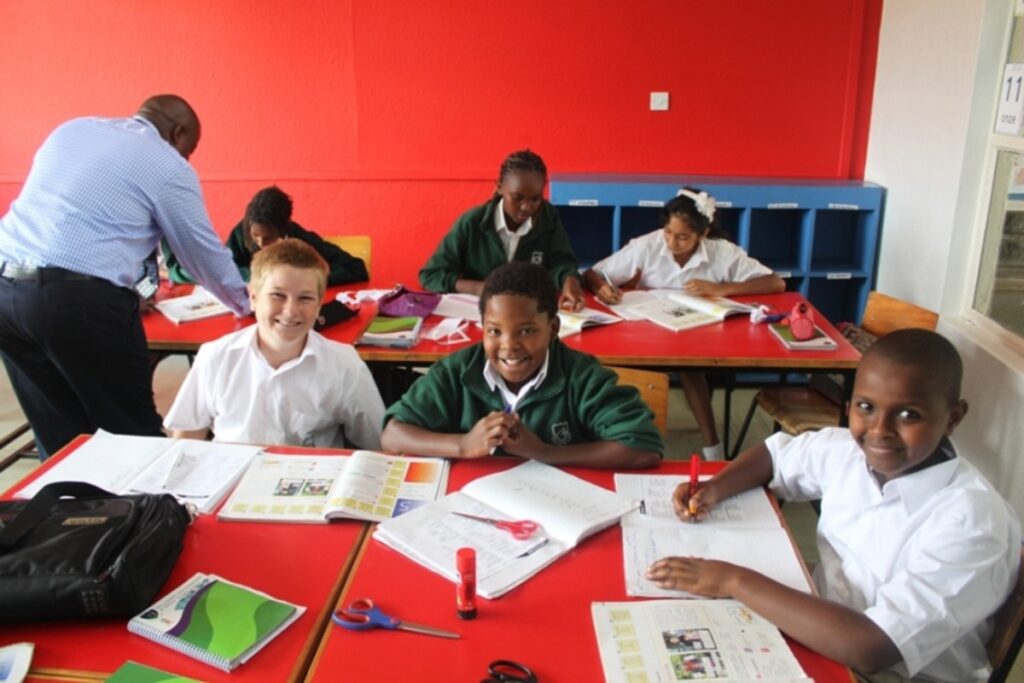
That was the foundation of the partnership between the International School of Kenya (ISK) and Maji na Ufanisi (Water and Development). During the Grade 5 Rights, Responsibilities and Advocacy unit, students explored Sustainable Development Goal 6 through direct engagement with community leaders whose lives reflect the realities and successes of community-led Water, sanitation and hygiene (WASH).
The partnership was never about presenting development as charity. It was about showing students how communities organize, advocate, and create lasting solutions together.
By connecting learners with the Vision Sisters of Kibera, Maji na Ufanisi helped transform a global goal into a local story of leadership, determination, and shared responsibility.
Why Authentic Learning Matters
Students today have access to more information than any previous generation.
They can find statistics within seconds. They can watch documentaries from almost anywhere in the world.
What they cannot easily experience is authentic human connection.
Meeting community leaders changes how students understand development. Instead of seeing communities through numbers or headlines, they begin to appreciate the knowledge, leadership, and resilience that already exist within those communities.
This approach develops empathy without encouraging pity.
It builds respect instead of assumptions.
These are important lessons for young people growing into informed global citizens.
A Partnership Built on Shared Values
The collaboration between ISK and Maji na Ufanisi grew from shared educational values.
ISK encourages students to become active participants in solving global challenges.
Maji na Ufanisi believes sustainable development begins with communities taking ownership of the resources and decisions that affect their lives.
Those philosophies naturally complement one another.
Rather than offering students a traditional presentation, both organizations created space for dialogue.
Students prepared thoughtful questions.
Community representatives shared honest experiences.
Teachers facilitated reflection.
Learning flowed in every direction.
The result was an educational experience grounded in mutual respect instead of one-way instruction.
Learning Through Community Leadership
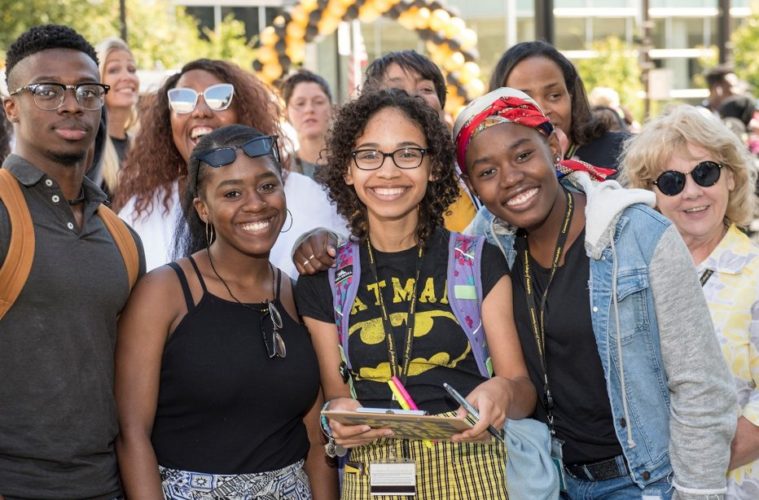
One of the strongest messages students encountered was simple.
Communities are not waiting for someone else to solve their challenges.
The Vision Sisters demonstrated this through their own journey.
They organized around shared concerns.
They built trust among members.
They worked together to improve access to dignified sanitation.
With support from Maji na Ufanisi, they strengthened facilities that continue serving their community today.
Students discovered that sustainable Water, sanitation and hygiene (WASH) depends on local ownership.
Community members understand their priorities.
They know their environment.
They continue managing improvements long after projects are completed.
This lesson extends far beyond SDG 6.
It applies to education, health, climate resilience, and community governance.
The Importance of Listening
Good advocacy begins with listening.
This became clear throughout the classroom session.
Students asked questions with genuine curiosity.
Community representatives answered openly.
Stories replaced stereotypes.
Experience replaced assumption.
The conversation helped students understand that development is not defined by outside organizations alone.
Real progress comes from relationships built over time.
Listening also encouraged students to think differently about leadership.
Leadership is not limited to public officials or organizational leaders.
Leadership exists within neighborhoods.
Leadership exists among women organizing together.
Leadership exists wherever people work collectively to improve their communities.
From Planning to Partnership
Strong partnerships require careful preparation.
The collaboration between ISK and Maji na Ufanisi developed through several stages.
The journey began with virtual planning meetings between educators and the Maji na Ufanisi team.
Teachers later visited the organization’s offices to learn more about its philosophy and programs.
A community visit followed, allowing teachers to meet Vision Sisters representatives before introducing students to the classroom experience.
Security considerations meant students could not visit Kibera directly.
Rather than abandoning the idea, both organizations adapted.
Community representatives came to the International School of Kenya.
This decision preserved the heart of the learning experience while respecting school policies.
It also demonstrated an important lesson.
Successful partnerships remain flexible without compromising their purpose.
Water, Sanitation and Hygiene Is About People
Many people think of Water, sanitation and hygiene (WASH) as infrastructure.
Pipes.
Water points.
Toilets.
Handwashing stations.
Those systems matter.
They improve health.
They protect dignity.
They support education.
They strengthen resilience.
Yet infrastructure alone is never enough.
Communities must manage those systems.
People maintain them.
Local organizations advocate for improvements.
Women often become leaders in sustaining these efforts.
The classroom discussions reflected this broader understanding.
Students learned that Water, sanitation and hygiene (WASH) is connected to public health, education, gender equity, and community governance.
Each area strengthens the others.
Teachers Become Learners Too
The partnership enriched learning for teachers as much as students.
The visit to the Vision Sisters’ community gave educators valuable context before classroom discussions began.
Walking through the community.
Seeing the sanitation facility.
Listening to community members.
These experiences allowed teachers to connect curriculum with local realities.
Teachers returned with stories that supported classroom reflection.
They also strengthened relationships with Maji na Ufanisi and community representatives.
These connections create opportunities for continued collaboration in future academic years.
The Role of Young People in Sustainable Development
Young people play an important role in achieving the Sustainable Development Goals.
They influence families.
They influence schools.
They influence future workplaces.
They influence public conversations.
When students understand community-led development early in life, they carry those lessons into adulthood.
They become professionals who value partnership.
Citizens who respect local leadership.
Decision-makers who recognize community knowledge.
The Grade 5 students experienced more than an educational activity.
They encountered examples of responsible citizenship.
That experience helps prepare future leaders who approach development with humility and respect.
Building Bridges Between Schools and Communities
Schools and community organizations each bring unique strengths.
Schools create structured learning environments.
Community organizations contribute lived experience and practical knowledge.
When those strengths come together, students receive a richer education.
The Maji na Ufanisi ISK partnership demonstrates how these relationships benefit everyone involved.
Students gain authentic learning.
Teachers strengthen classroom instruction.
Communities share their achievements.
Organizations build stronger public understanding of their work.
These partnerships also encourage long-term engagement instead of one-time events.
Relationships develop.
Trust grows.
Learning continues.
A Model That Others Can Follow
Many schools seek opportunities to connect classroom learning with real-world issues.
The experience between ISK and Maji na Ufanisi offers a practical model.
Begin with shared values.
Respect community leadership.
Prepare carefully.
Create opportunities for dialogue.
Encourage students to ask thoughtful questions.
Reflect together after the experience.
This approach works because every participant contributes knowledge.
Students contribute curiosity.
Teachers contribute educational expertise.
Community members contribute lived experience.
Organizations contribute long-term relationships and technical knowledge.
Together they create learning that no textbook alone could provide.
How Maji na Ufanisi Is Helping and How You Can Help
For more than 28 years, Maji na Ufanisi has worked alongside communities across Kenya to strengthen access to safe water, dignified sanitation, improved hygiene, climate resilience, and community governance.
Partnerships with schools form an important part of this work because education creates future advocates who understand the value of community leadership.
Through our fiscally sponsored projects, supporters in the United States are able to make tax-deductible contributions that strengthen community-led Water, sanitation and hygiene (WASH) initiatives while supporting transparent and accountable development.
You can support this mission by:
- Learning about community-led Water, sanitation and hygiene (WASH).
- Encouraging schools to build partnerships with local communities.
- Sharing stories that celebrate community leadership.
- Supporting fiscally sponsored projects that strengthen sustainable development across Kenya.
Wrap Up
The Maji na Ufanisi ISK partnership demonstrates how education becomes stronger when communities become part of the classroom.
Students did more than study Sustainable Development Goal 6.
They listened to community leaders.
They explored the relationship between rights and responsibility.
They saw how cooperation creates lasting change.
Most importantly, they learned that communities are not defined by their challenges. They are defined by their leadership, their determination, and their ability to shape their own future.
When schools and community organizations build partnerships based on mutual respect, students receive lessons that remain with them long after the school year ends.
Frequently Asked Questions
1. What is the Maji na Ufanisi ISK partnership?
It is a collaboration between the International School of Kenya and Maji na Ufanisi that connected Grade 5 students with community leaders to strengthen learning about SDG 6.
2. Why did Maji na Ufanisi work with ISK?
The partnership supported students studying rights, responsibilities, advocacy, and Water, sanitation and hygiene (WASH) through authentic community engagement.
3. Who are the Vision Sisters?
The Vision Sisters are a women’s community organization in Kibera that has strengthened Water, sanitation and hygiene (WASH) through collective leadership with support from Maji na Ufanisi.
4. Why is community leadership important in development?
Community leadership encourages ownership, accountability, and long-term sustainability.
5. What did students gain from the partnership?
Students developed a deeper understanding of advocacy, Water, sanitation and hygiene (WASH), and community-led development through direct conversations.
6. How does Water, sanitation and hygiene improve education?
Safe water and dignified sanitation support healthier learning environments, better attendance, and student well-being.
7. Why were teachers involved before students?
Teachers visited the community first to better understand local context and prepare meaningful classroom discussions.
8. Does Maji na Ufanisi work beyond schools?
Yes. The organization works with communities, governments, civil society organizations, and institutions across Kenya.
9. Will the partnership continue?
According to the engagement report, the Grade 5 teaching team expressed interest in continuing collaboration during the next academic year.
10. How can organizations partner with Maji na Ufanisi?
Schools, institutions, donors, and organizations interested in community-led Water, sanitation and hygiene (WASH) initiatives are encouraged to connect with Maji na Ufanisi to explore partnership opportunities.