WATER
Water security
Access, reliability, source protection, management, affordability, and climate pressure.
Maji na Ufanisi turns community experience, programme learning, field research, and partnership into practical knowledge that improves water, sanitation, hygiene, climate resilience, inclusion, and governance across Kenya.

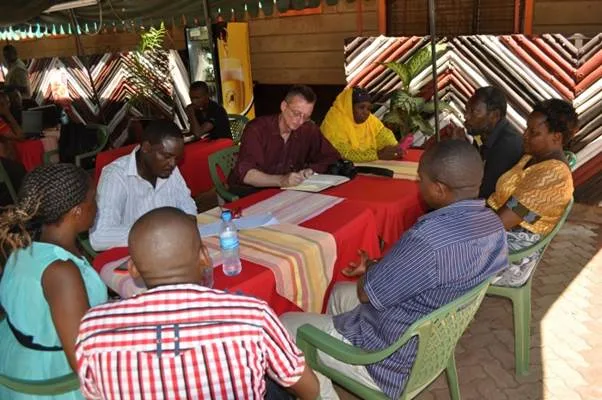
Maji na Ufanisi does not treat research as a separate academic exercise. It is part of how we understand needs, design programmes, test assumptions, monitor progress, identify risks, and improve sustainability.
Our work brings together community participation, technical evidence, institutional learning, policy engagement, and practical innovation.
Our portfolio reflects the complex realities surrounding water, sanitation, health, climate, governance, inclusion, and local capacity.
Access, reliability, source protection, management, affordability, and climate pressure.
Inclusive facilities, public sanitation, sustainability, management, and service delivery.
Learning environments, hygiene behaviour, menstrual health, inclusion, and learner dignity.
Water technologies, livestock needs, household access, community management, and local capacity.
Urban vulnerability, drought, flood risk, water security, and practical resilience options.
Public participation, accountability, institutional mandates, planning, and sector dialogue.
Disability access, women’s participation, menstrual dignity, equity, and universal design.
Partner systems, governance, financial management, technical skills, and organisational sustainability.
Baselines, progress tracking, outcomes, lessons, sustainability, and programme improvement.
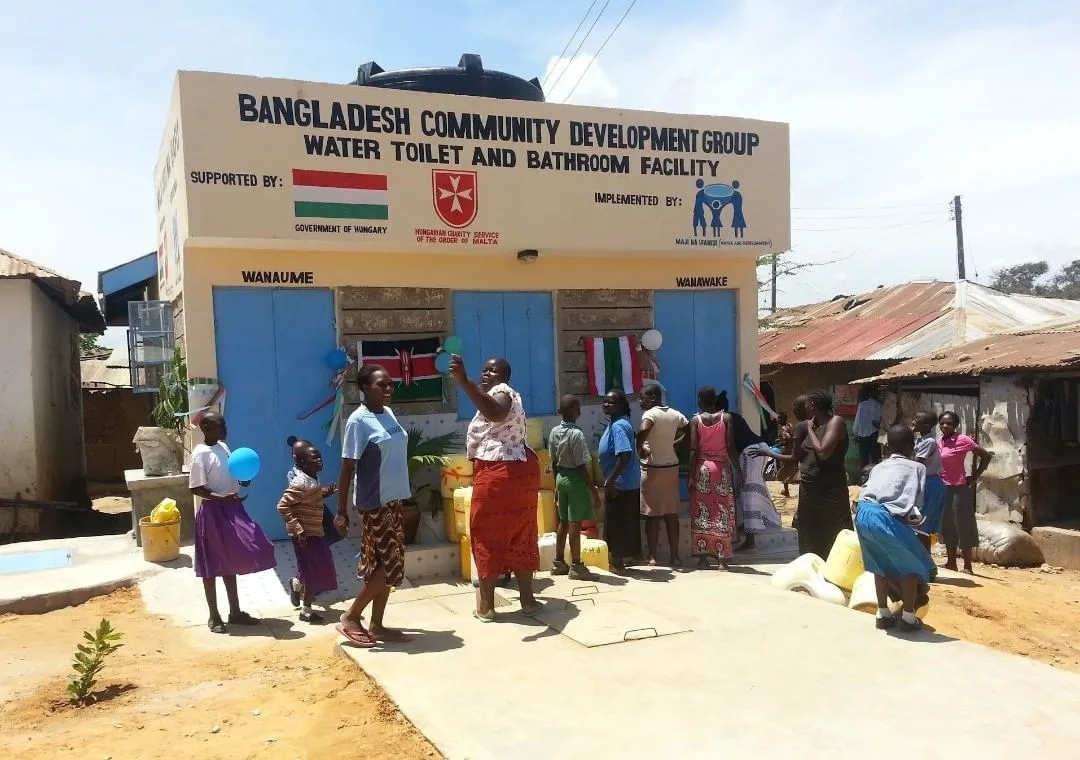
The Water, Sanitation and Hygiene Enterprise Model brings together public-private partnership, public participation, and social enterprise.
The model was designed to rehabilitate or develop inclusive WASH facilities in public spaces while creating youth employment, supporting local management, strengthening hygiene practice, and generating revenue for operation and maintenance.
WASHEM is presented here as one notable Mombasa County innovation within Maji na Ufanisi’s broader national portfolio.
Maji na Ufanisi connects inquiry, implementation, learning, and advocacy so that evidence can improve real programmes and public decisions.
Explore selected studies, assessments, programme reports, and evidence resources from Maji na Ufanisi’s work.
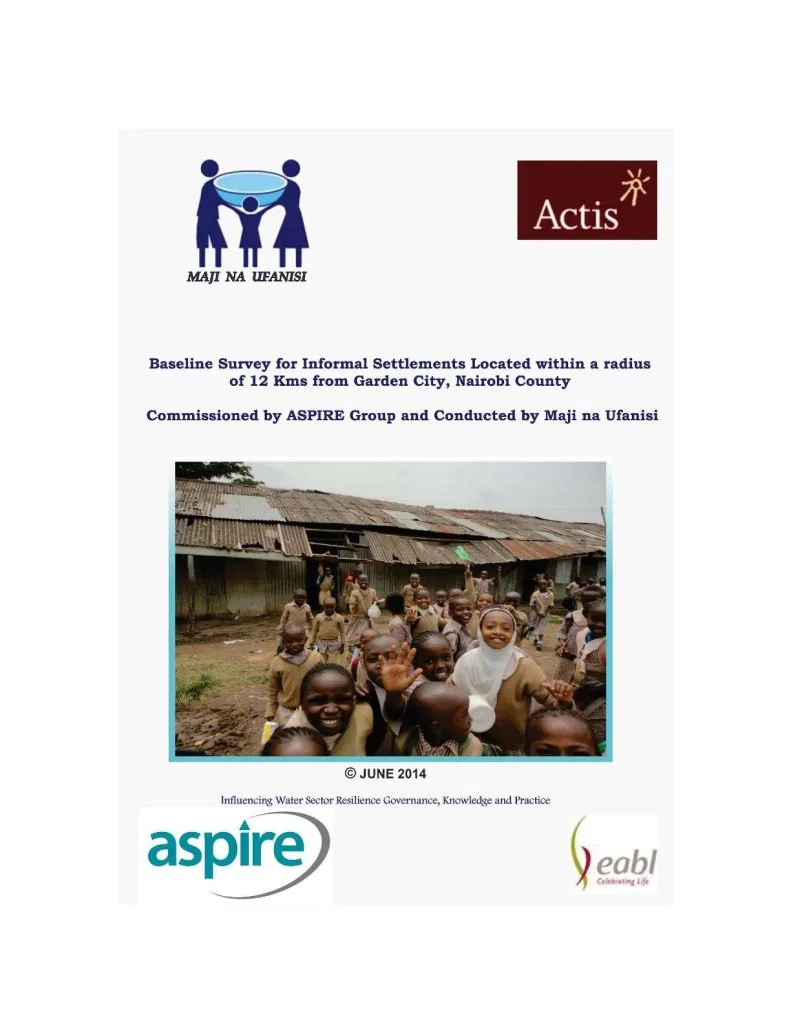
A detailed assessment covering WASH, education, livelihoods, health, sanitation, security, and socio-economic conditions.
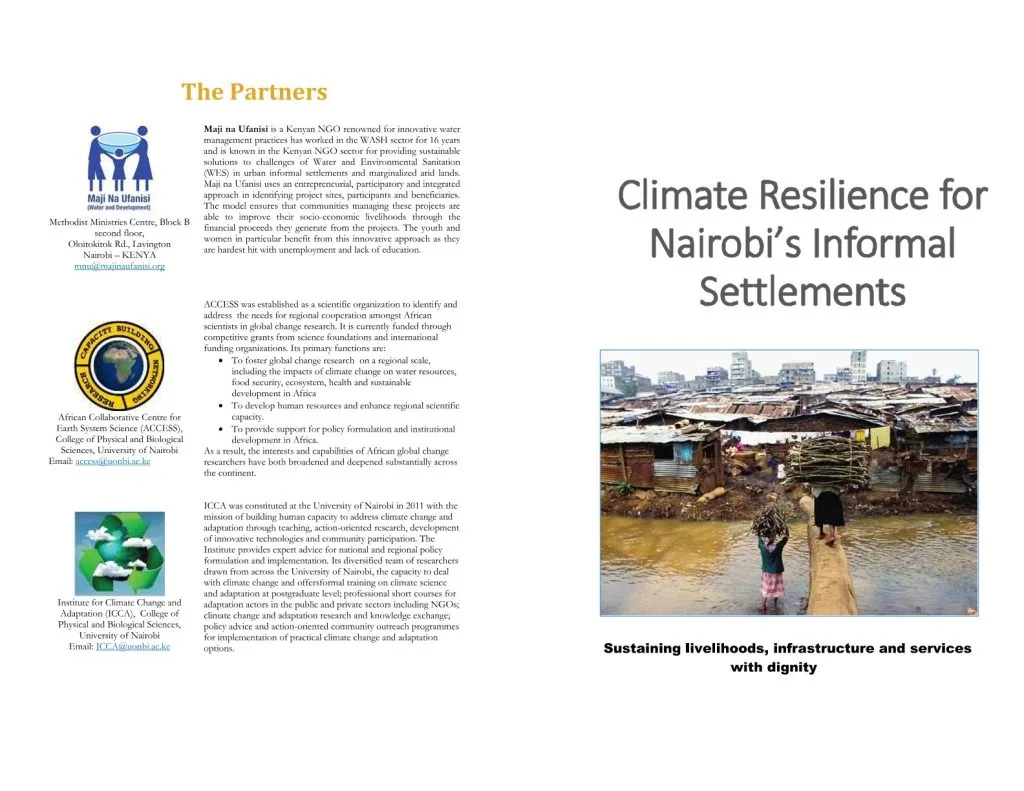
An evidence resource examining climate risks and practical resilience options for underserved urban communities.
A technical study of vulnerabilities, adaptation opportunities, and practical responses for Nairobi’s informal settlements.
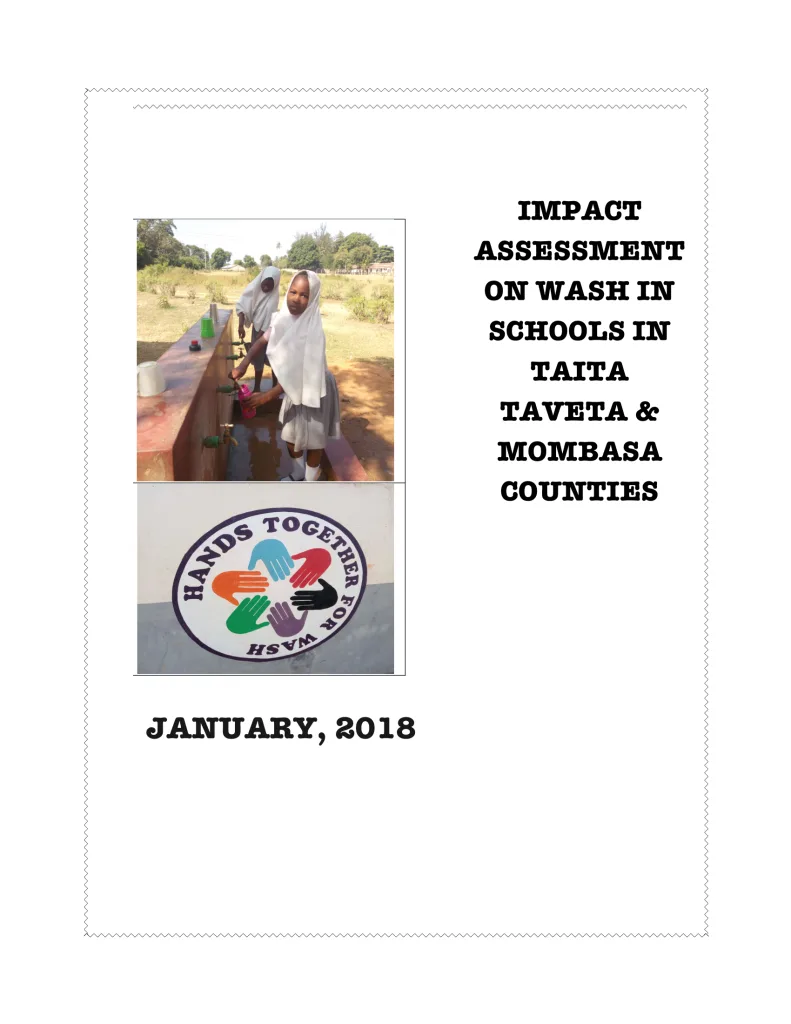
An assessment of implementation, outcomes, lessons, and the difference WASH investments made in participating schools.
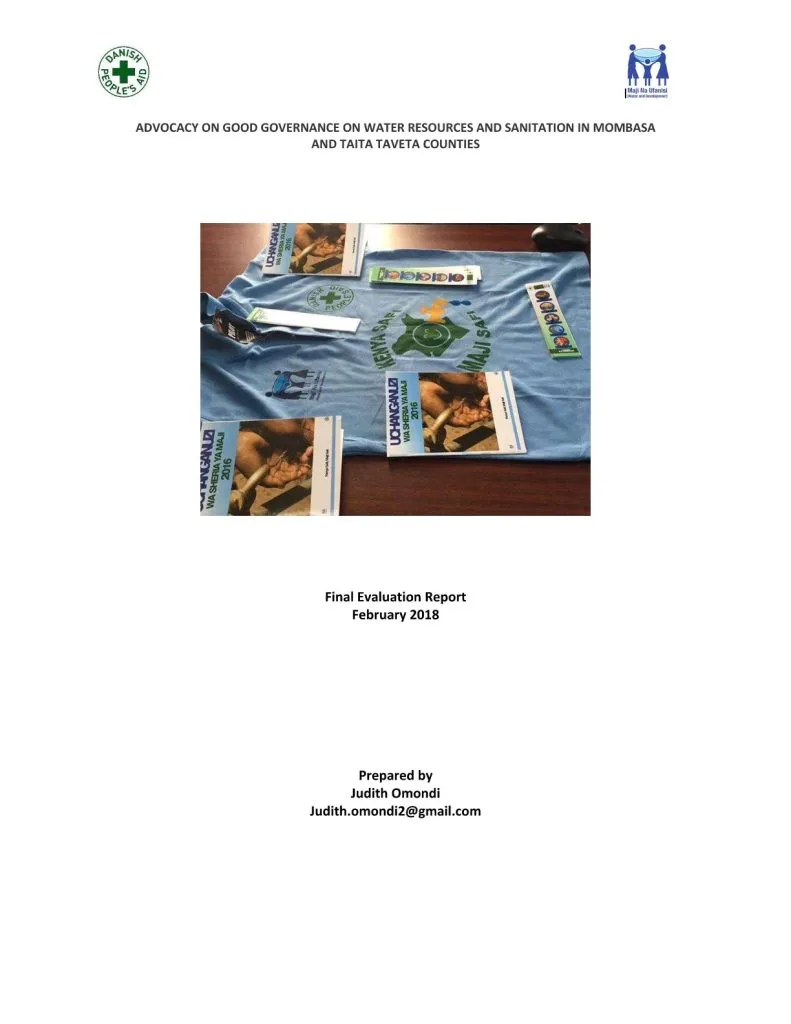
Evidence and learning linked to advocacy, accountability, and service delivery in Mombasa and Taita Taveta counties.
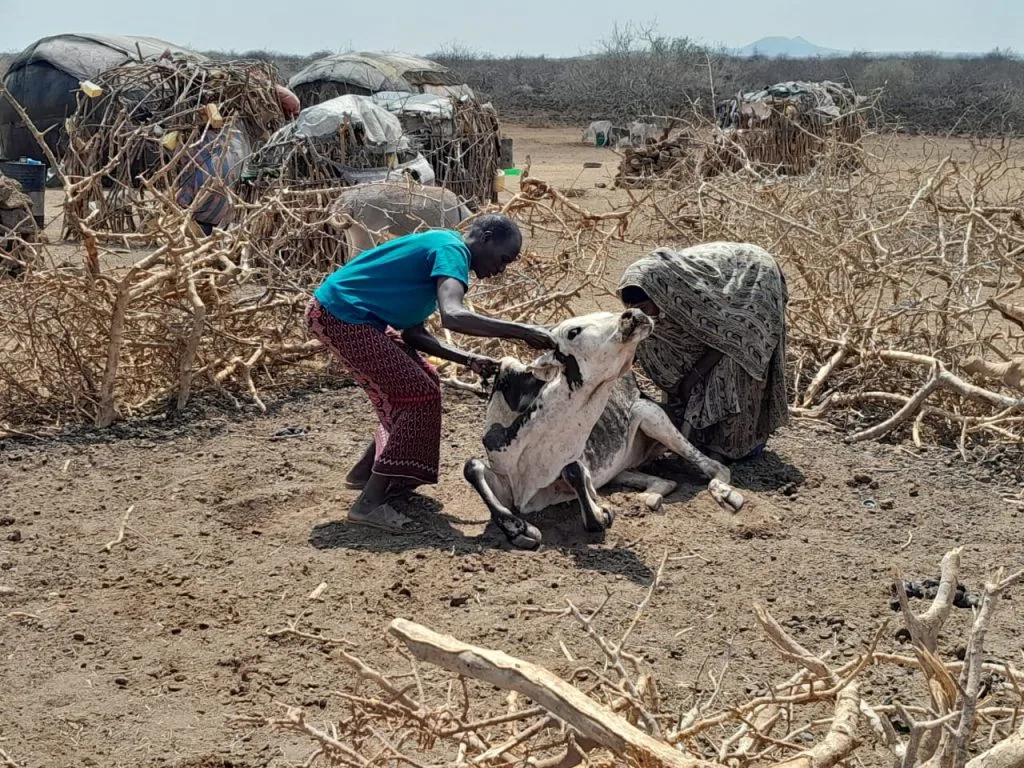
Evidence from Maji na Ufanisi’s ASAL work shows how community-managed water systems, climate adaptation, local governance, hygiene promotion, and institutional capacity can strengthen resilience in drought-affected communities.
Establish conditions, needs, risks, and indicators before implementation.
Capture access, behaviour, expenditure, vulnerability, and service experience.
Understand lived experience, barriers, priorities, and community interpretation.
Identify service gaps, risk areas, infrastructure, and excluded populations.
Assess effectiveness, sustainability, value, outcomes, and unintended effects.
Review laws, plans, budgets, mandates, and implementation gaps.
Ensure communities shape questions, findings, and recommendations.
Translate evidence into practical recommendations for programmes and institutions.
Research helps communities understand risks, advocate for services, manage systems, and improve local decisions.
Evidence can support planning, budgeting, public participation, policy dialogue, and service improvement.
Baselines, evaluations, and learning help funders assess need, performance, value, and sustainability.
Research partnerships can strengthen learning, school WASH, student engagement, and knowledge exchange.
Shared evidence supports advocacy, coordination, accountability, and stronger sector-wide learning.
Evidence helps shape responsible investment, innovation, service models, and long-term partnership.
Maji na Ufanisi’s research and innovation work grows from questions that matter on the ground: Why do facilities fail? How can youth employment support sustainability? How can women, girls, and persons with disabilities participate more fully? What makes a local organisation stronger?
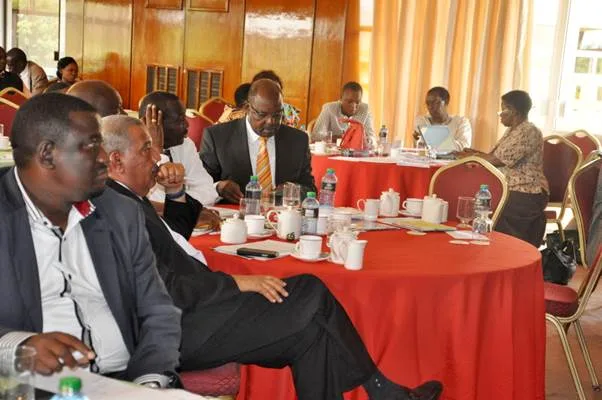
Some findings relate to specific projects and periods. They should not be treated as current organisation-wide totals.
WASHEM and other models are examples of applied learning within a wider portfolio, not the whole organisation.
Projected beneficiaries and anticipated outcomes should only be presented when clearly labelled as estimates.
Partner with Maji na Ufanisi to design a baseline, conduct an assessment, evaluate an intervention, document community experience, analyse policy, test an innovation, or translate learning into practical action.