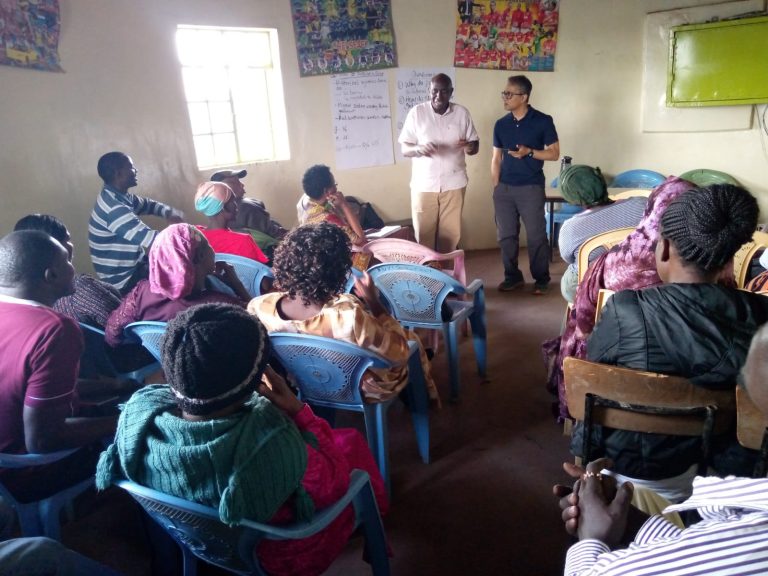
The primary purpose of the baseline study (needs analysis) was to define actual local community needs based on objective observation and data collection and to identify potential ‘relevant’ interventions.Read more articles Previous PostStrengthening Citizens’ Influence on WASH in the Devolved Governance System Next PostRevolutionizing Public Sanitation: The Youth-Led Model Taking Kenya by Storm You Might Also Like Access to Clean Water and Sanitation Gets a Boost in Nairobi through Maji Na Ufanisi and NCWSC PartnershipMarch 3, 2023 Bridging the Gap: Chicago Scholars and Maji na Ufanisi Tackle Water Crisis in Kenyan SlumsMay 31, 2023 Designing for Dignity: How Inclusive WASH Facilities Restore Community ConfidenceSeptember 11, 2025Leave a Reply Cancel replyCommentEnter your name or username to commentEnter your email address to commentEnter your website URL (optional) Save my name, email, and website in this browser for the next time I comment.
Access to Clean Water and Sanitation Gets a Boost in Nairobi through Maji Na Ufanisi and NCWSC PartnershipMarch 3, 2023
Bridging the Gap: Chicago Scholars and Maji na Ufanisi Tackle Water Crisis in Kenyan SlumsMay 31, 2023