Education starts with dignity. For many children, dignity depends on something basic. Safe water. Clean toilets. A place to wash hands. Without these, school becomes difficult or unsafe. For girls and children with disabilities, the barrier grows higher.
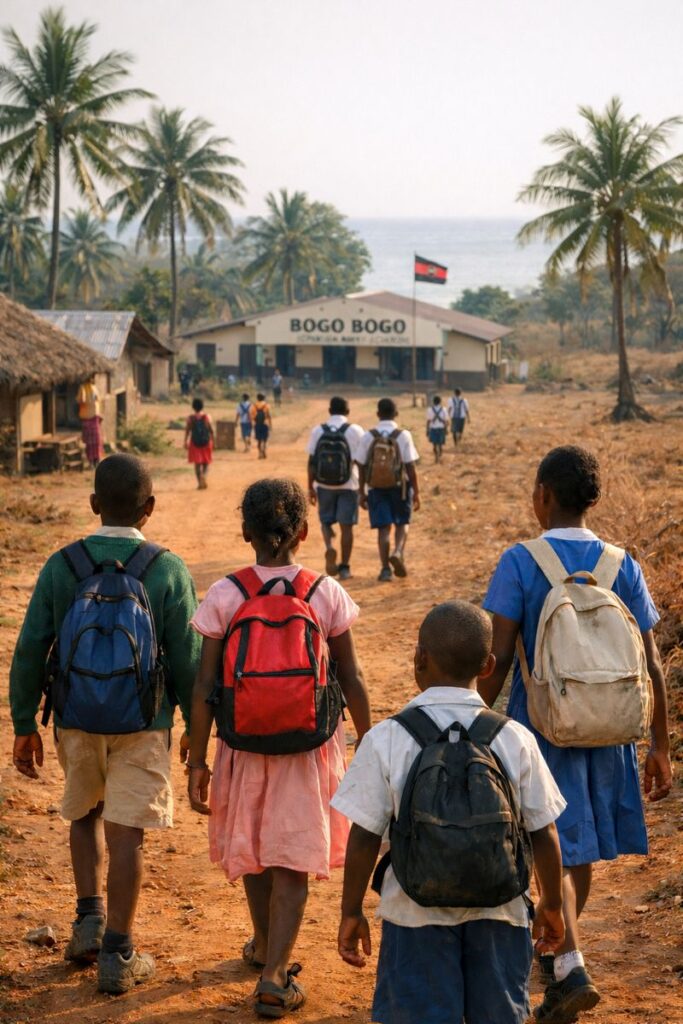
At New Hope School in Bogo Bogo, inclusive school WASH supports learning, health, and self-respect. This project shows how practical infrastructure helps children attend school consistently and participate fully.
Why School WASH Shapes Education Outcomes
Schools without reliable water and sanitation face daily disruption. Illness spreads faster. Absenteeism rises. Learning suffers.
According to UNICEF, unsafe water and sanitation affect children’s health and attendance across sub-Saharan Africa. Schools without WASH services report higher dropout rates, especially among adolescent girls. Source: https://www.unicef.org/wash/schools
Clean water and toilets reduce disease linked to diarrhea and poor hygiene. The World Health Organization links inadequate WASH to repeated infections, which affect concentration and growth. Source: These impacts are preventable.
Why Girls and Children With Disabilities Face Greater Risk
When schools lack privacy and accessible facilities, some children stay home.
Girls miss class during menstruation when toilets lack doors, water, or disposal systems. UNESCO reports menstruation-related absenteeism across low-income settings.
Children with physical disabilities face steep obstacles when latrines lack ramps, handrails, or space. Without inclusive design, education excludes by default.
Inclusive WASH removes these barriers. Access supports dignity. Dignity supports attendance.
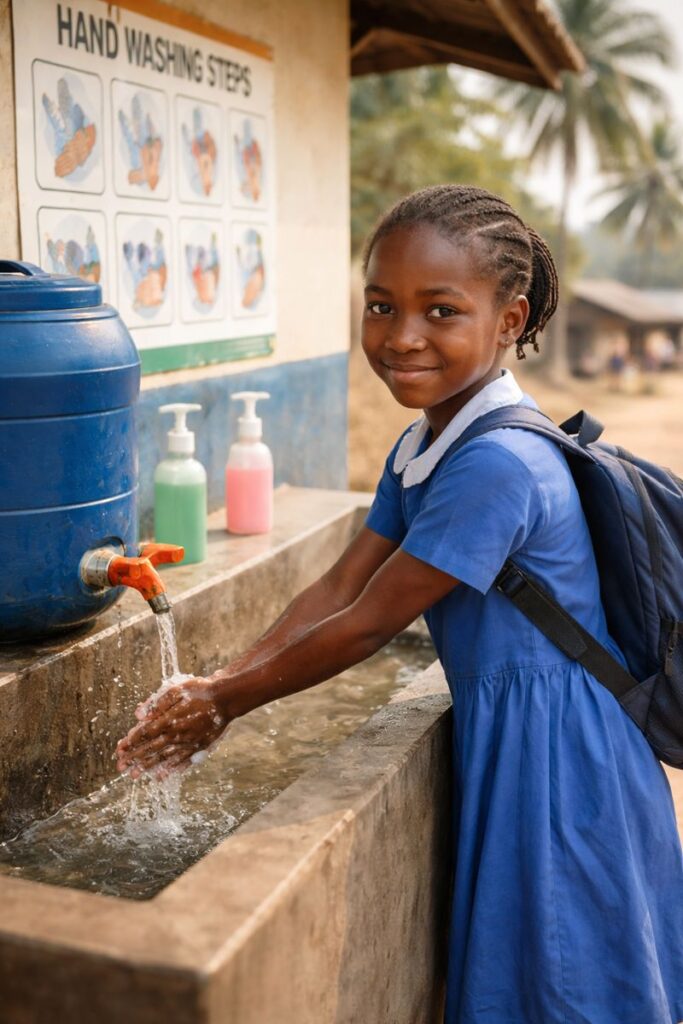
New Hope School in Bogo Bogo: Context
Bogo Bogo is a low-income settlement in Kenya. Families face limited access to basic services. Schools operate under pressure with scarce infrastructure.
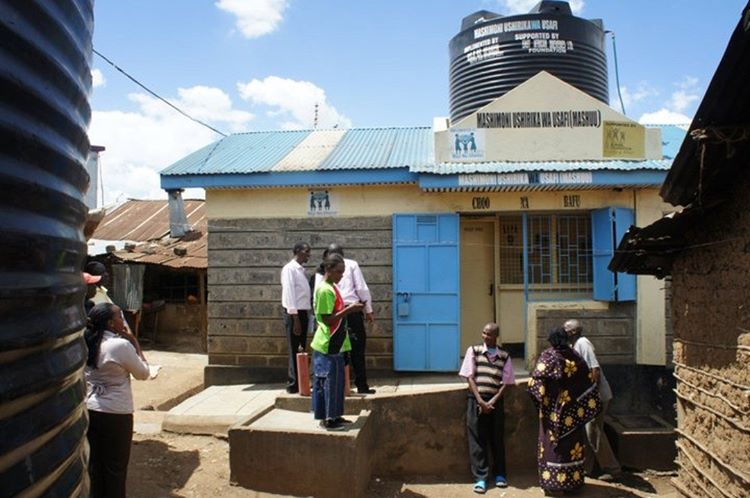
New Hope School serves children from this community. Before intervention, the school faced challenges common across informal settlements. Limited water access. Inadequate sanitation. No disability-friendly facilities.
Maji na Ufanisi partnered with the school to address these gaps through an inclusive school WASH approach. Project details are available here:
What Inclusive School WASH Means in Practice
Inclusive WASH focuses on design and use. Facilities support all students, not a select group.
At New Hope School, this includes:
• Reliable water access within the school compound
• Gender-separated sanitation facilities
• Toilets designed for students with disabilities
• Handwashing stations placed for daily use
• Hygiene education aligned with infrastructure
Each element works together. Infrastructure without behavior change falls short. Education without facilities fails to stick.
How This Supports Attendance and Learning
When children feel safe using school facilities, they attend more regularly. Teachers report fewer interruptions due to illness. Lessons progress with continuity.
Evidence from global school WASH programs shows improved attendance and reduced dropout rates when sanitation improves. UNICEF and WaterAid both document these trends across East Africa. Source: https://www.wateraid.org/uk/what-we-do/schools
At New Hope School, inclusive facilities reduce daily stress for students. Children focus on learning, not coping.
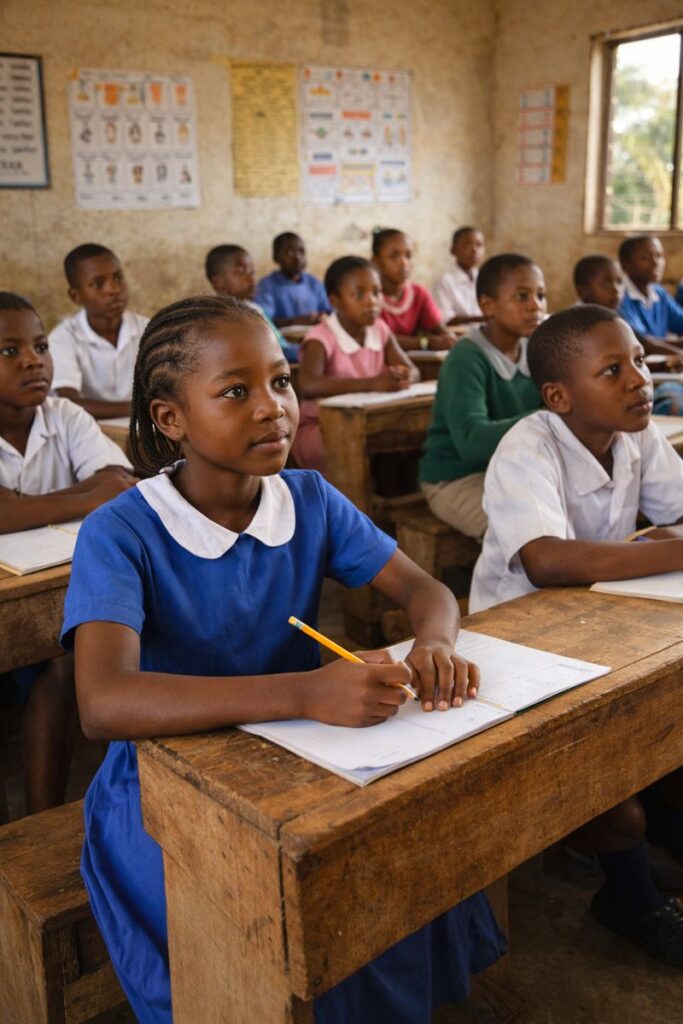
Dignity as an Educational Foundation
Dignity rarely appears in test scores. It shapes everything underneath.
A child who avoids using the toilet all day struggles to concentrate. A girl who fears embarrassment misses class. A child with a disability excluded by design receives a clear message about belonging.
Inclusive WASH sends a different message. You belong here. Your needs matter.
This message supports long-term educational engagement.
Community Trust and School Ownership
School WASH works best when communities trust the process. Maji na Ufanisi emphasizes collaboration with school leadership and local stakeholders.
This approach builds ownership. Facilities receive care. Hygiene practices last beyond installation.
Sustainable change takes time and partnership. Infrastructure forms the base. Community engagement sustains the result.
How Maji na Ufanisi Is Helping and How You Can Help
Maji na Ufanisi supports inclusive WASH projects across Kenya. The New Hope School initiative reflects a broader commitment to equity, accountability, and practical outcomes.
Your support contributes to:
• Safe water access for students
• Inclusive sanitation design
• Hygiene education for long-term use
• School environments where all children participate
For U.S. donors seeking tax-deductible giving, projects are supported through fiscal sponsorship. Learn more here:
International donors can support active water and sanitation projects here:
One contribution supports daily dignity for students.
Also Read
Invisible No More: The Impact of Disability Registration in Bogobogo
Frequently Asked Questions
- What makes a school WASH project inclusive
Inclusive design considers gender, disability, age, and safety. Facilities serve all students equally. - Why focus on schools instead of households
Schools reach many children daily. Impact extends to families through hygiene habits. - How does WASH affect girls’ education
Private, safe toilets reduce absenteeism during menstruation. - Do these projects last
Durability depends on community ownership and maintenance planning. - How are children with disabilities included
Facilities include ramps, space, and support features aligned with mobility needs. - Is hygiene education part of the project
Yes. Infrastructure works alongside daily hygiene practice. - How does Maji na Ufanisi ensure accountability
Projects align with defined scopes and community oversight. - Are results measured
Monitoring focuses on access, use, and school engagement. - Who funds these projects
Individual donors, partners, and fiscal sponsors support implementation. - How can donors support this work
Through international or U.S. tax-deductible giving pathways listed above.
A Calm Truth About Impact
School WASH does not solve every challenge. It removes a barrier many children face each day. Removing barriers supports education. Education supports opportunity.
Inclusive school WASH at New Hope School helps children attend class with dignity. That outcome begins with safe water and thoughtful design.