HCSOM & Maji na Ufanisi Partnership in Jomvu | Inclusion, Dignity and Hope
HCSOM Γ— Maji na Ufanisi

A partnership making disability visibleβ€”and dignity possible.

In Bogobogo, Jomvu, Mombasa County, the Hungarian Charity Service of the Order of Malta and Maji na Ufanisi are building a community-led model that connects children and adults with disabilities to registration, care, education, assistive support, inclusive WASH, and hope.

Community-led inclusion Multi-stakeholder delivery Trackable outcomes
365Individuals reached through disability outreach
246People assessed for disability-related needs
119People registered for disability certificates
70 + 12Parents and caregivers engaged, plus trained CHPs
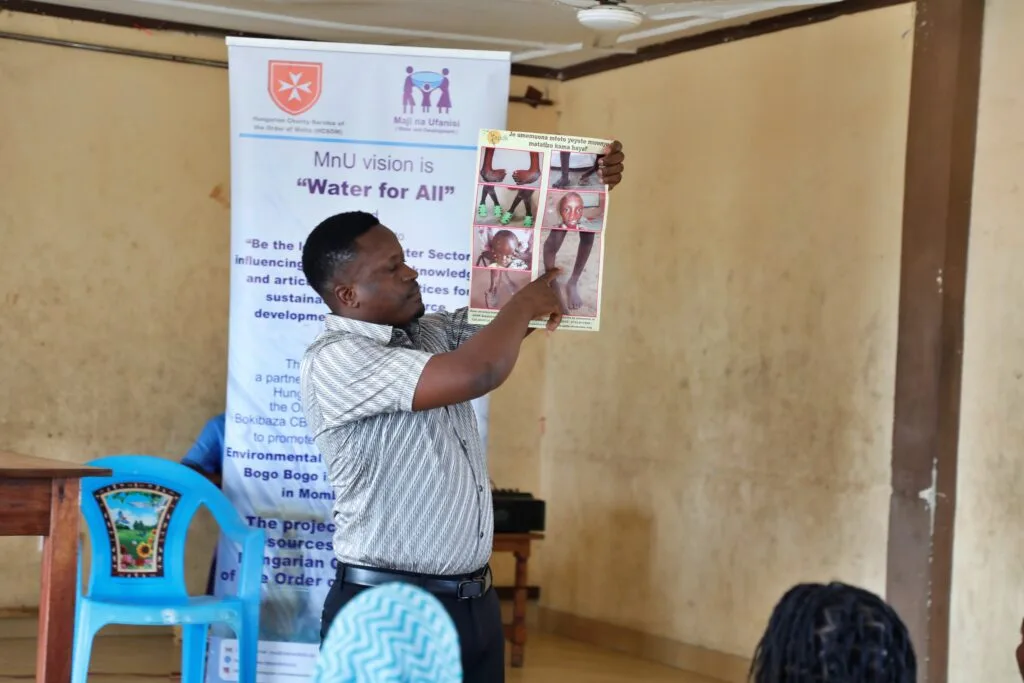
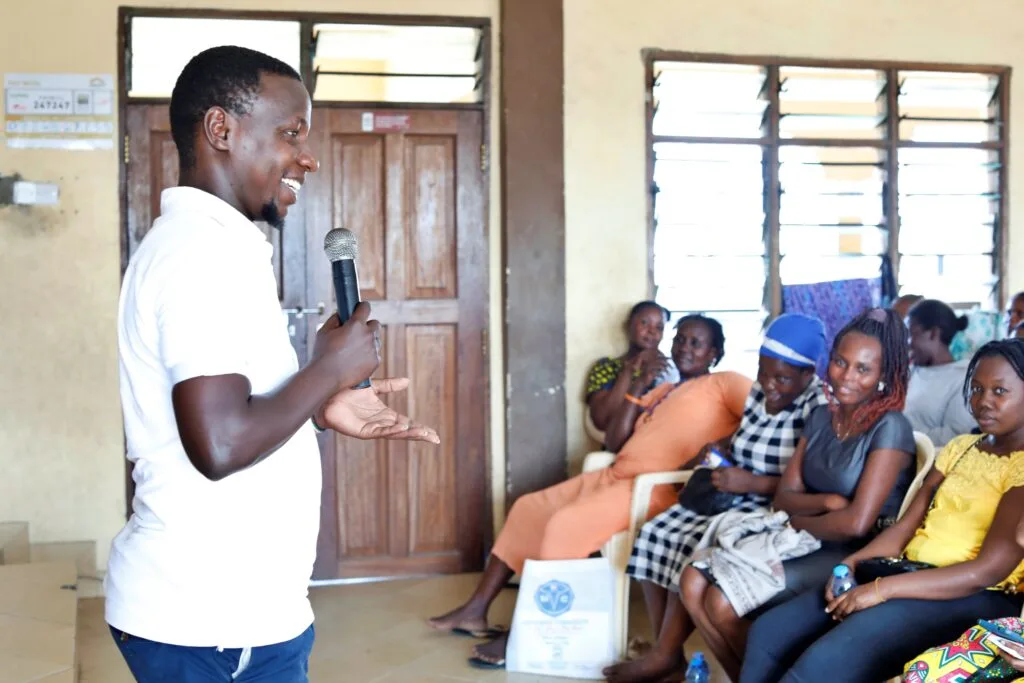
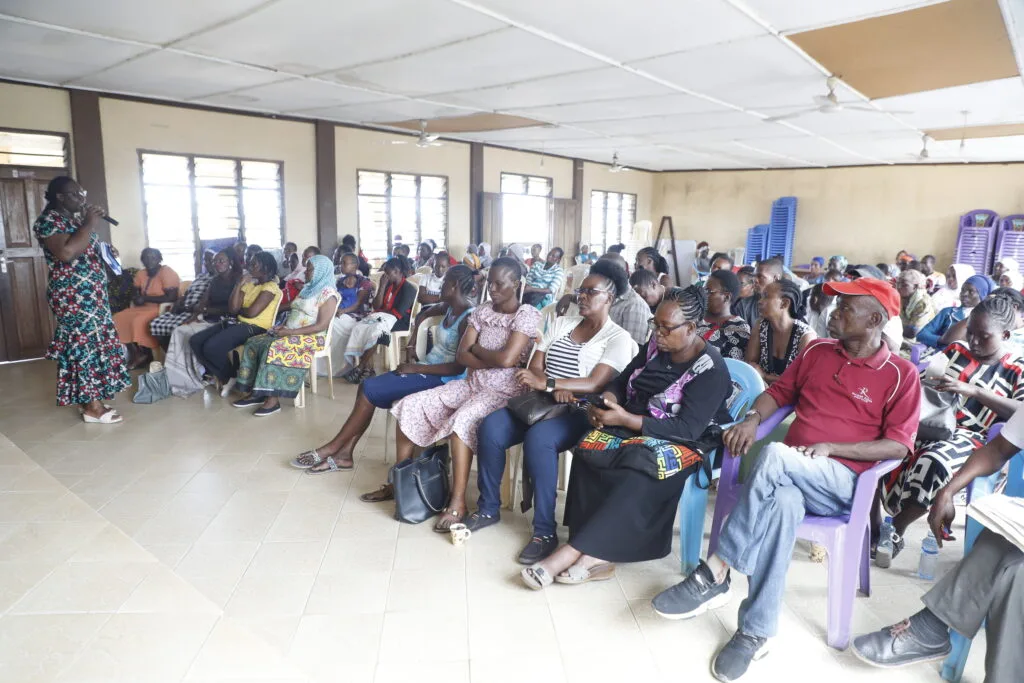
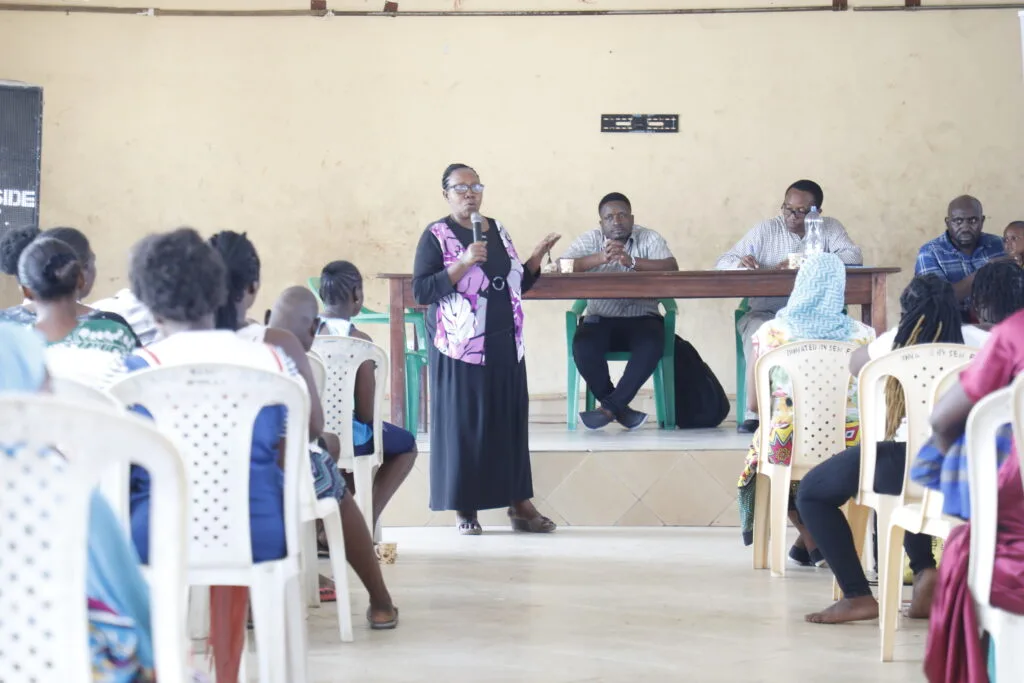
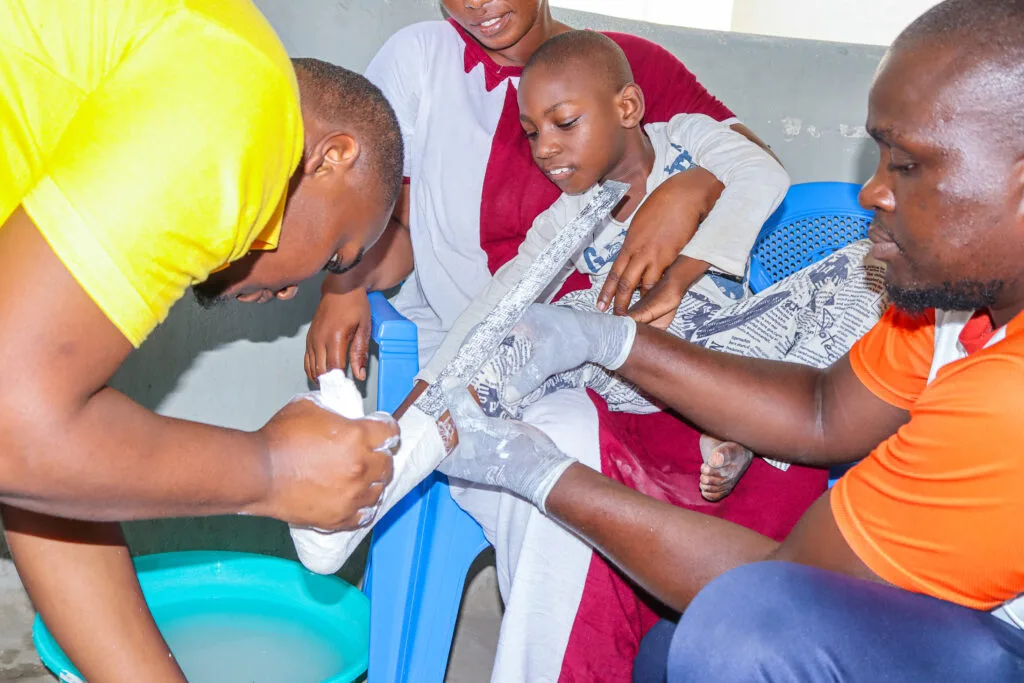
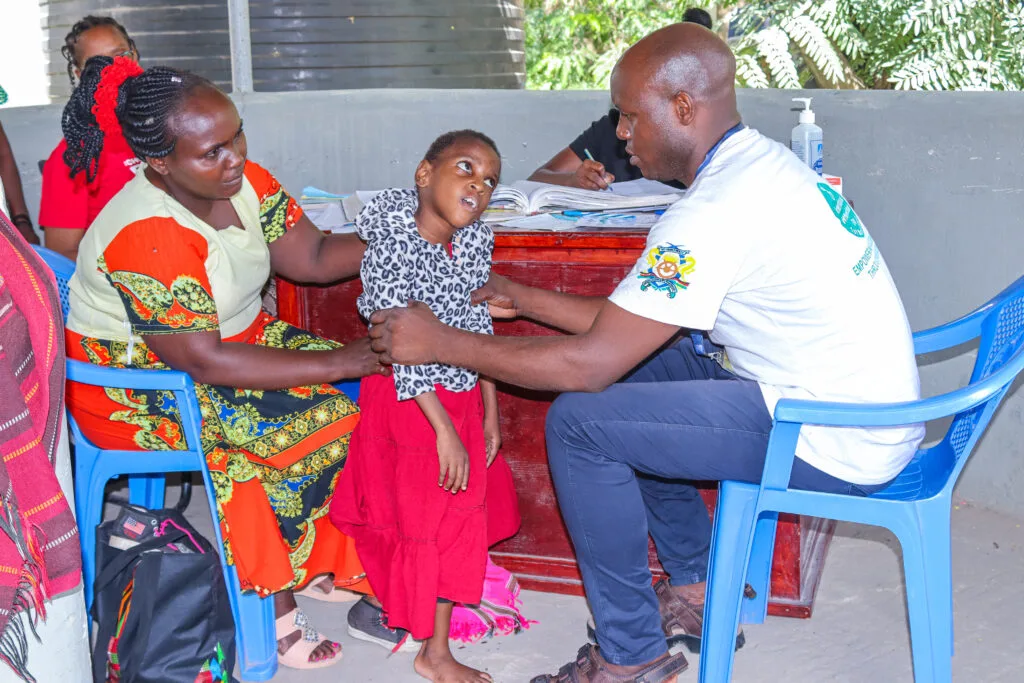
HCSOM and Maji na Ufanisi disability inclusion partnership in Jomvu Community members participating in Jomvu outreach
A partnership rooted in human dignity

When international solidarity meets trusted local leadership.

Bogobogo is an informal settlement where many children and adults with disabilities have lived beyond the reach of accessible schools, specialized healthcare, registration systems, assistive devices, and social protection.

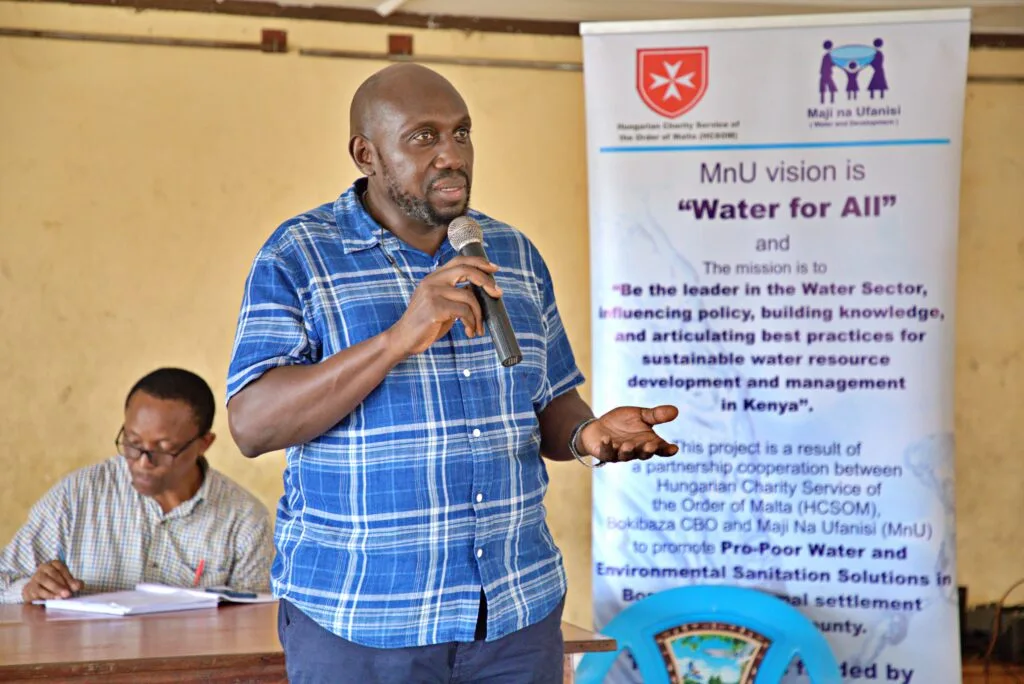
HCSOM brings humanitarian commitment, international expertise, funding, logistics, training support, and global visibility. Maji na Ufanisi brings local trust, programme leadership, community mobilization, evidence-based design, and the relationships needed to turn resources into practical change.

This is not charity delivered from a distance. It is a partnership that listens, identifies barriers, equips local actors, and builds pathways through which people can claim their rights and participate fully in community life.
How the partnership works

Each partner brings what communities need to move from visibility to inclusion.

The strength of the Jomvu model is coordinated action rather than isolated services.

🌍

HCSOM

Provides strategic support, humanitarian expertise, co-funding, logistics, training assistance, international solidarity, and visibility.

🀝

Maji na Ufanisi

Leads programme design, baseline surveys, stakeholder coordination, community mobilization, implementation, follow-up, and inclusive WASH integration.

🏠

Community Health Promoters

Conduct home visits, identify children and adults needing support, monitor progress, and connect families to services.

β™Ώ

APDK

Provides disability assessments, rehabilitation expertise, medical referrals, physiotherapy pathways, and assistive-device support.

πŸ“„

NCPWD and Social Services

Support disability registration, access to government programmes, social protection, health insurance, psychosocial care, and inclusion.

πŸ‘¨β€πŸ‘©β€πŸ‘§

Parents and Local Networks

Shape individualized plans, advocate for children, support therapy and school follow-up, reduce stigma, and sustain community accountability.

Watch the work

See what partnership looks like when no one is treated as invisible.

Behind every assessment, registration, referral, school improvement, and home visit is a person whose future can change when the right systems finally reach them.

This video captures the spirit of a partnership grounded in compassion, coordination, and practical action.

The inclusion model

Four connected pathways that help families move forward.

A person may need more than one service. The partnership links identification, care, education, and public support instead of treating each challenge separately.

Pathway 01Identification and registrationHome visits, needs-based surveys, medical and educational assessments, and NCPWD registration.
Pathway 02Care and rehabilitationReferrals, physiotherapy, assistive devices, individualized plans, psychosocial support, and caregiver guidance.
Pathway 03Inclusive education and WASHAccessible school infrastructure, safer sanitation, teacher support, and pathways into learning.
Pathway 04Community ownershipParent groups, CHPs, local leaders, disability networks, awareness, and long-term follow-up.
Evidence of progress

The partnership is already creating measurable pathways to support.

365 reachedIndividuals engaged through the Jomvu disability outreach.
246 assessedMedical, educational, and disability-related needs identified.
119 registeredPeople linked to formal disability certificates and potential government support.
70 caregiversParents and caregivers brought into coordinated planning and advocacy.
12 CHPsCommunity Health Promoters trained and deployed as the bridge to families.
1 scalable modelA community-rooted approach designed for replication in other informal settlements.
From first contact to sustained inclusion

How one child or family moves through the support journey.

Step 01A family is identifiedA CHP conducts a home visit, listens, and documents immediate needs and barriers.
Step 02Needs are assessedMedical, educational, psychosocial, mobility, care, and registration needs are reviewed.
Step 03A support plan is builtFamilies and partners agree on referrals, registration, therapy, devices, education, or social support.
Step 04Services become reachableThe family is connected to APDK, NCPWD, school, county, health, or social-protection pathways.
Step 05Home-based follow-up continuesCHPs and caregivers monitor progress, challenges, therapy, schooling, and emerging needs.
Step 06Parents gain a stronger voiceCaregivers join support structures, share learning, reduce isolation, and advocate for inclusion.
Step 07Schools become more inclusiveFacilities, WASH services, attitudes, and learning pathways are improved for all children.
Step 08The model can scaleEvidence and partnerships make it possible to replicate the approach beyond Bogobogo.
Why this work cannot stop here

Progress is real. So are the barriers that remain.

Many schools still lack accessible infrastructure. Families still struggle to reach therapy, assistive devices, specialized teachers, transportation, and consistent psychosocial support.

Stigma can isolate children and caregivers even after services become available. Sustainable funding is needed to maintain home visits, support parent groups, complete school upgrades, provide mobility aids, and expand the model to other communities.

The partnership has shown what is possible. The next question is whether enough people and institutions will help take that possibility further.
Explore Home-Based Care β†’
Home-based and community support for children with disabilities
Choose how you will help

Your support can turn a referral into therapy, a registration into access, and a school into a place of belonging.

Donate

Help fund assessments, disability registration, transport, assistive devices, therapy, home visits, school accessibility, and community follow-up.

Donate to the Jomvu Work β†’

Partner

Institutions can contribute funding, technical expertise, equipment, teacher training, medical support, visibility, or expansion resources.

Discuss a Partnership β†’

Volunteer or amplify

Professionals can offer skills, share the story, connect the programme to networks, or help reduce stigma around disability.

Contact MNU β†’
Stay connected to the partnership

Receive updates as families, schools, and local systems move toward deeper inclusion.

Follow project milestones, community stories, partnership opportunities, and ways to support disability-inclusive development.

Join the Maji na Ufanisi Newsletter

Subscribe for impact stories, project updates, partnership opportunities, and organizational news. We respect your inbox. No spam.

Help write the next chapter

A child should not remain invisible because a school, clinic, transport system, or registration process was never designed to include them.

HCSOM and Maji na Ufanisi have helped prove that coordinated, community-led inclusion is possible. Your gift, partnership, expertise, or voice can help more families experience it.