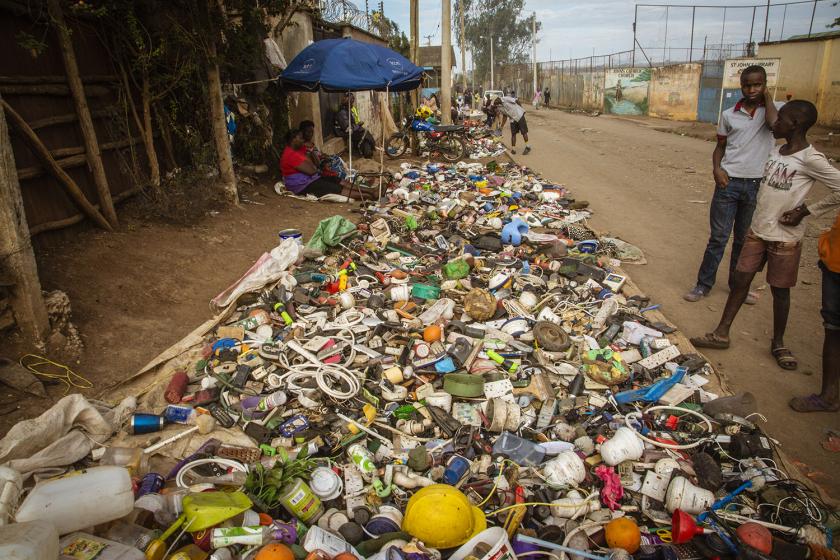
Urban Informal Settlements
Water access, sanitation, drainage, hygiene, advocacy, and community organization in densely populated settlements.
Maji na Ufanisi works across diverse Kenyan communities, from urban informal settlements and schools to rural, arid, and semi-arid areas, adapting every programme to the realities people face.
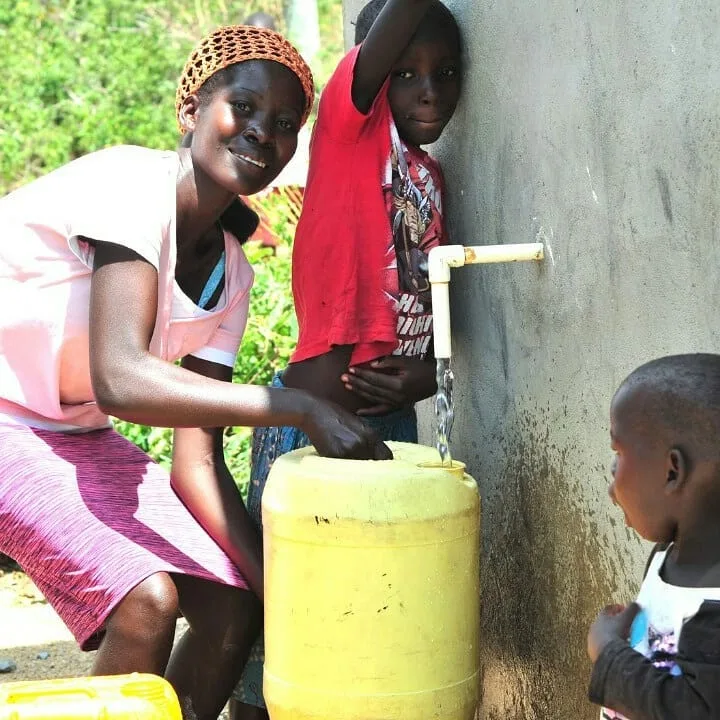
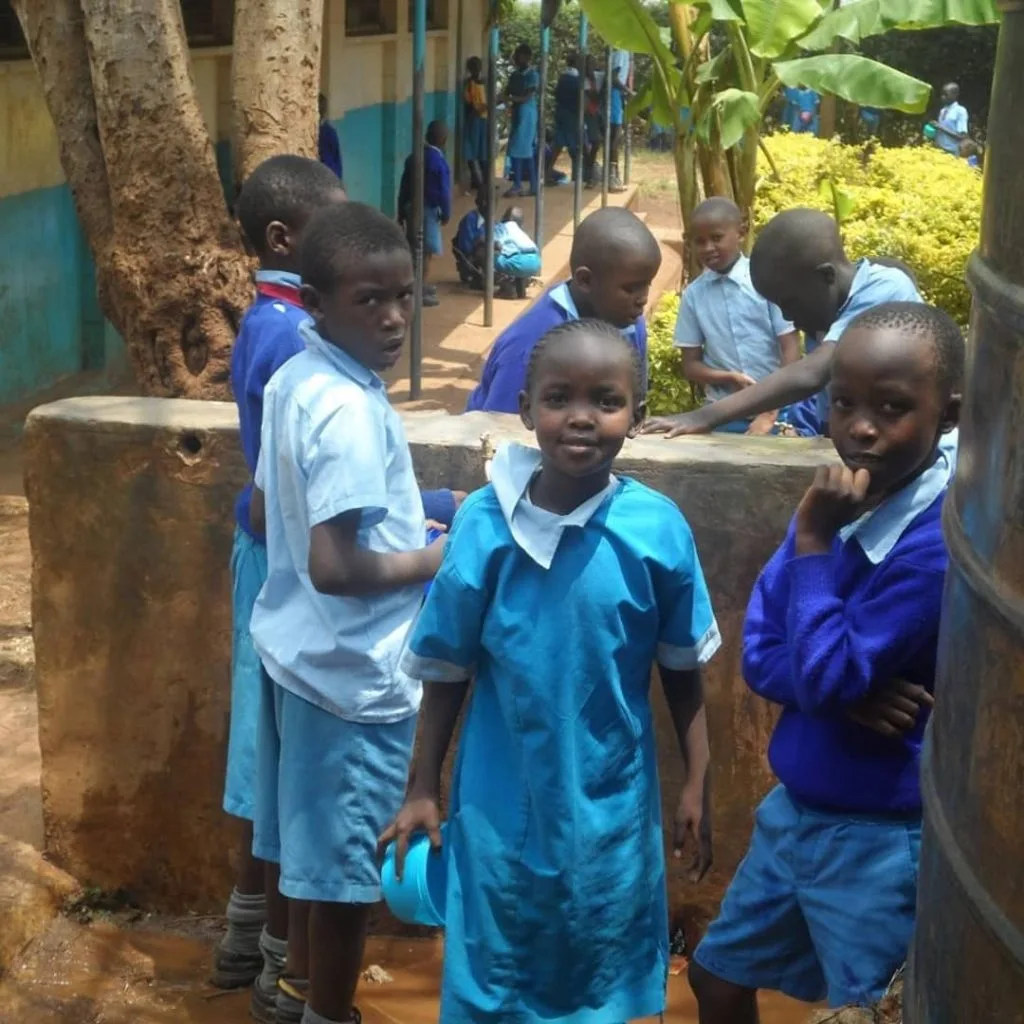
A densely populated settlement in Nairobi has different needs from a rural school in Kiambu or a drought-affected community in an arid county.
Our teams work with local leaders, schools, county actors, community organizations, women, young people, and people with disabilities to understand the context before deciding what intervention is appropriate.
Our programmes are shaped around the communities we serve, the institutions already present, and the environmental pressures affecting each location.
Water access, sanitation, drainage, hygiene, advocacy, and community organization in densely populated settlements.
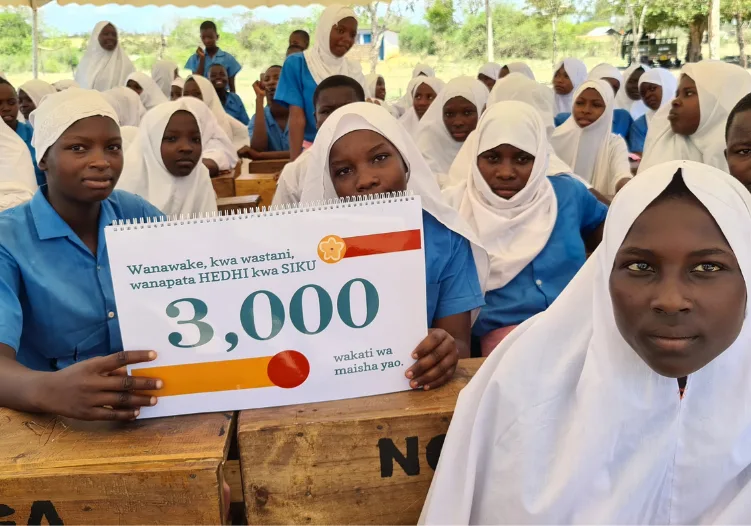
Safer water, sanitation, handwashing, menstrual health, dignity, and hygiene education for learners and staff.
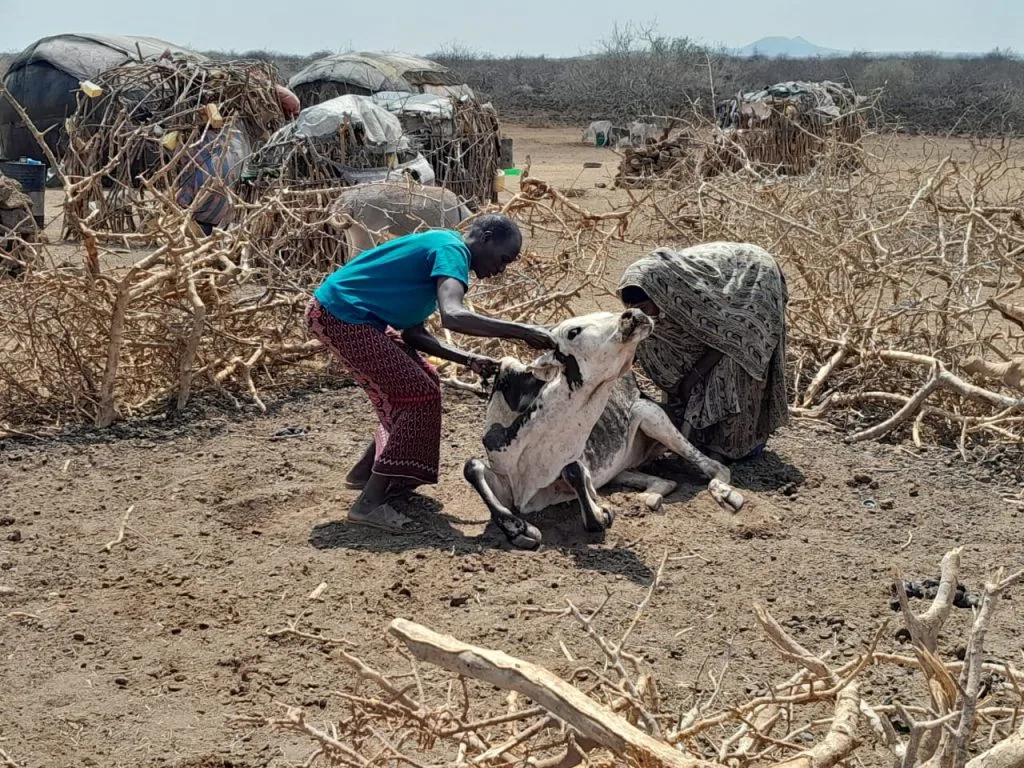
Climate-sensitive water access, water-resource management, resilience, and practical solutions for drought-prone communities.
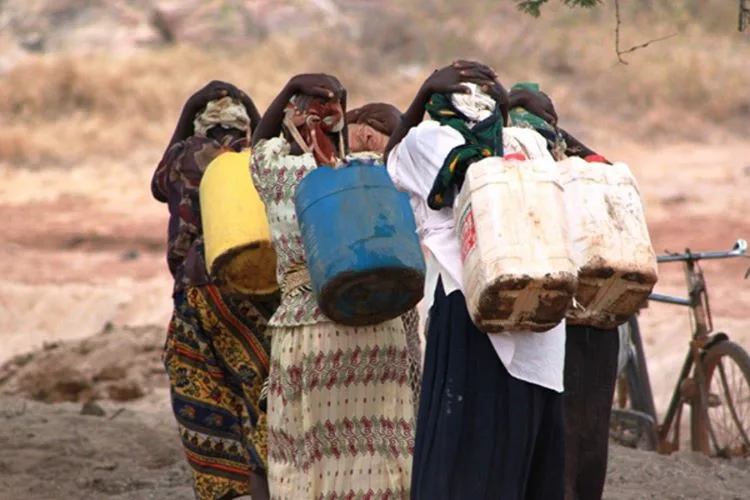
Water access, local management systems, community mobilization, hygiene, and long-term maintenance capacity.
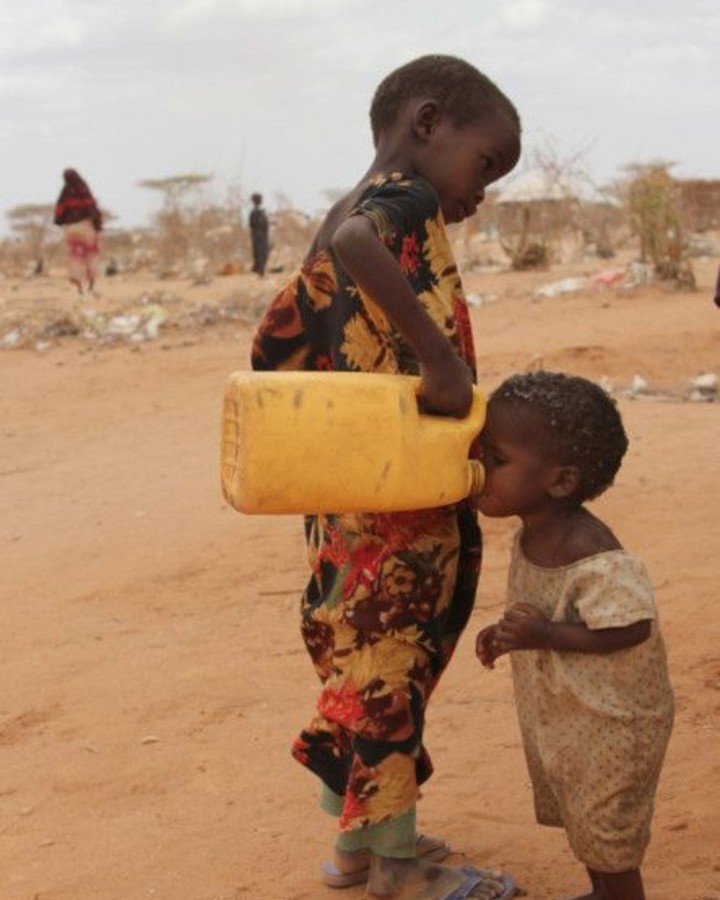
Adaptation, resilience, risk awareness, water-resource protection, and community preparedness.
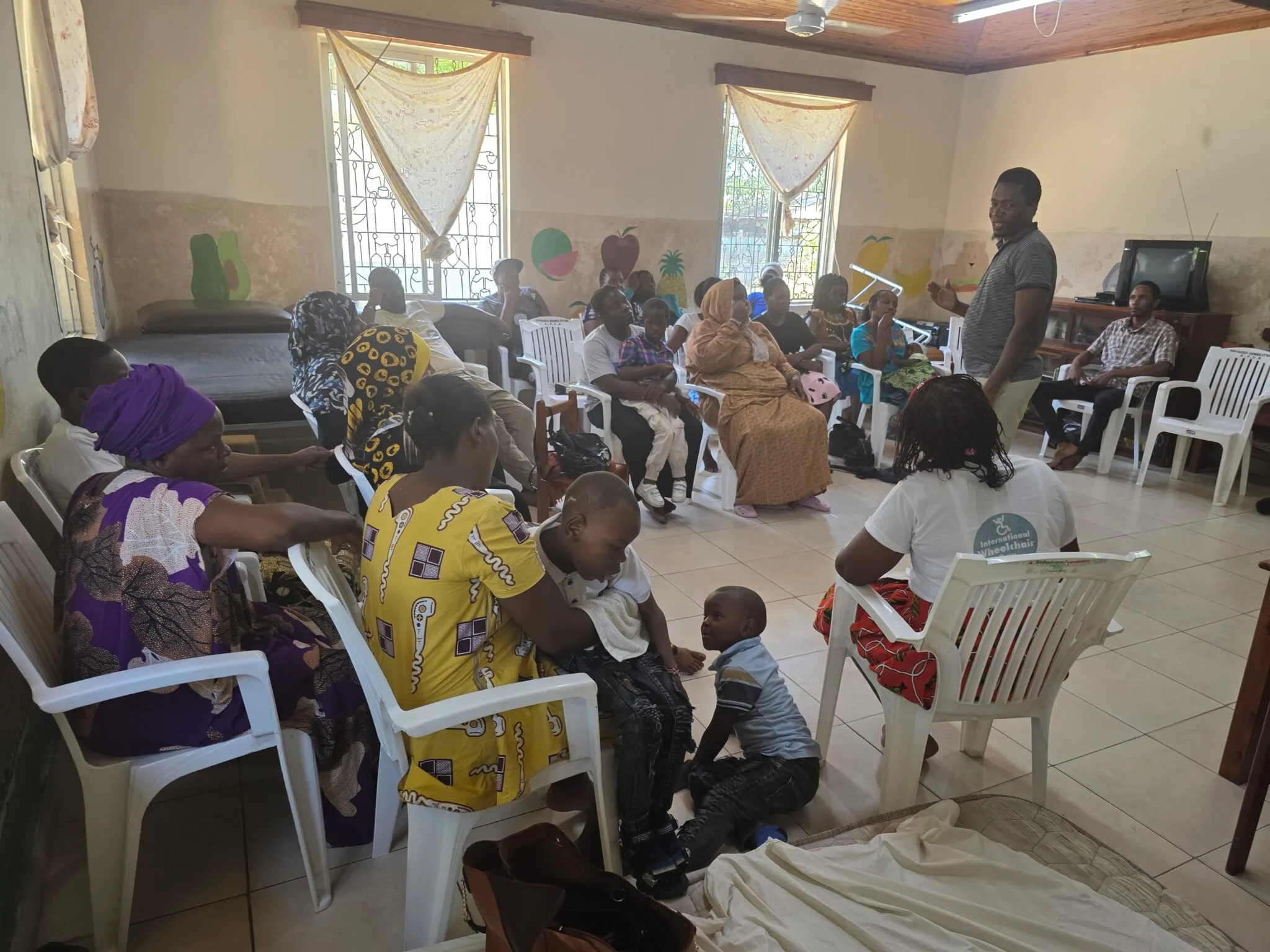
Inclusive programming that recognizes disability, gender, poverty, dignity, and barriers to participation.
Maji na Ufanisi works with communities, schools, county actors, civil society organizations, and development partners across these counties.
Our work aligns community needs with county systems, national WASH priorities, climate resilience, education, public health, gender equality, and the Sustainable Development Goals.
Our approach changes depending on population density, water availability, school systems, climate risk, local institutions, and the people most affected.
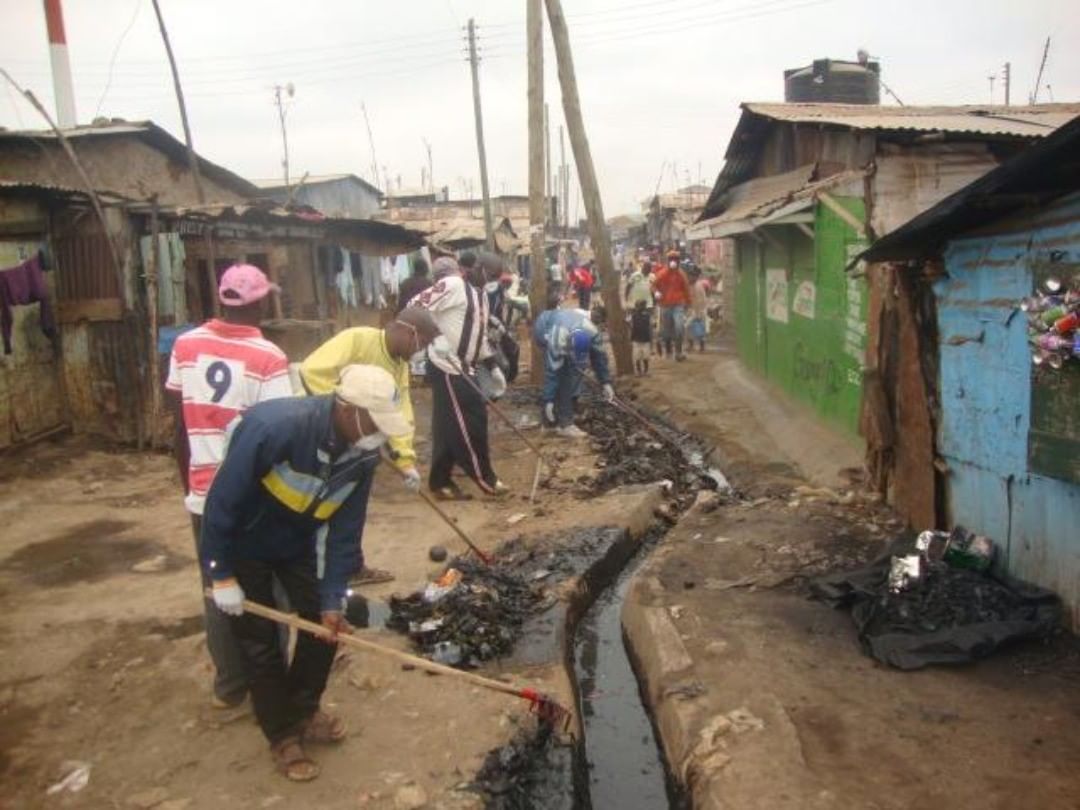
Supporting safer water, sanitation, hygiene, and community-led action where infrastructure gaps affect thousands of families.
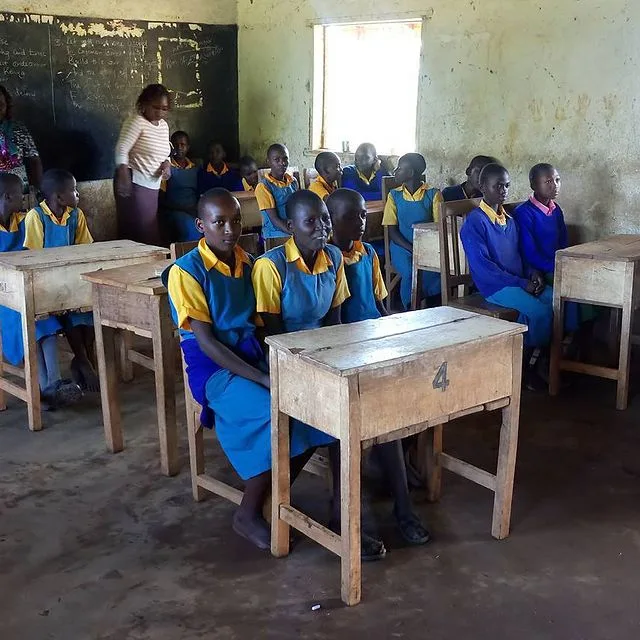
Helping learners access cleaner, healthier, and more dignified environments.
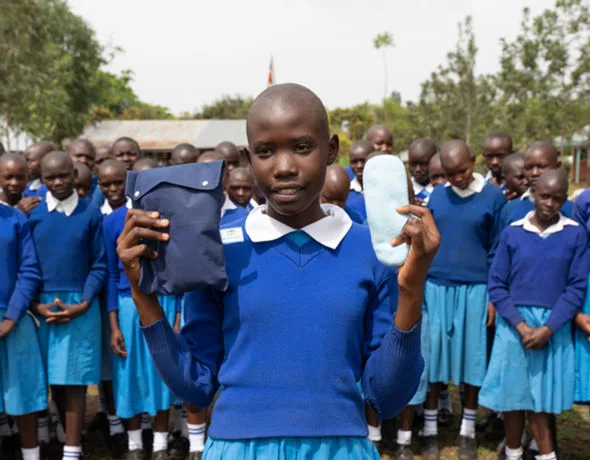
Removing barriers that keep girls from participating fully in education and community life.
We begin with local priorities, lived experience, and existing community knowledge.
Communities participate in deciding what is appropriate, realistic, and sustainable.
We engage schools, county actors, community organizations, and local leadership structures.
Women, girls, people with disabilities, and marginalized groups are considered in programme design.
Monitoring, learning, and impact assessment help us understand whether interventions are working.
We strengthen ownership, maintenance, management, and local capacity for long-term value.