WATER
Safer water access
Water systems, storage, kiosks, wells, pans, catchments, gravity schemes, and other context-appropriate technologies.
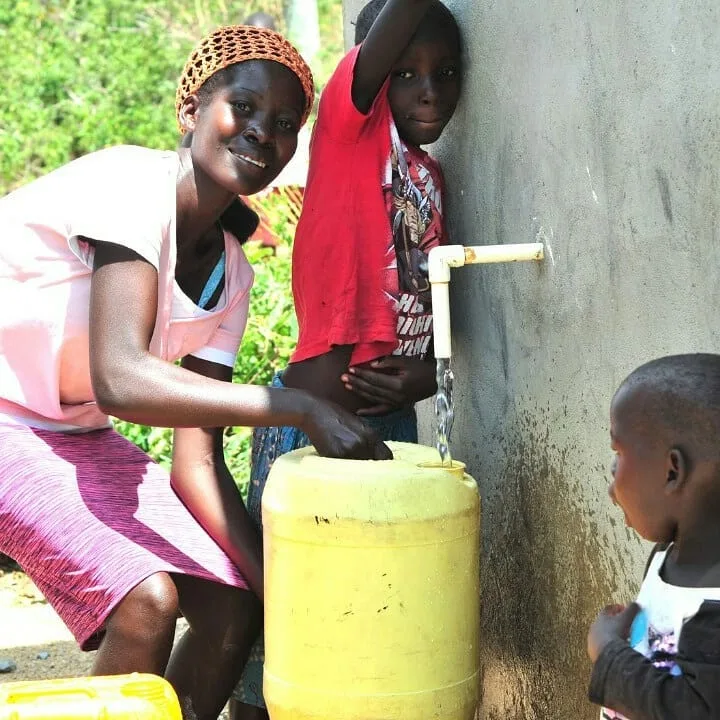
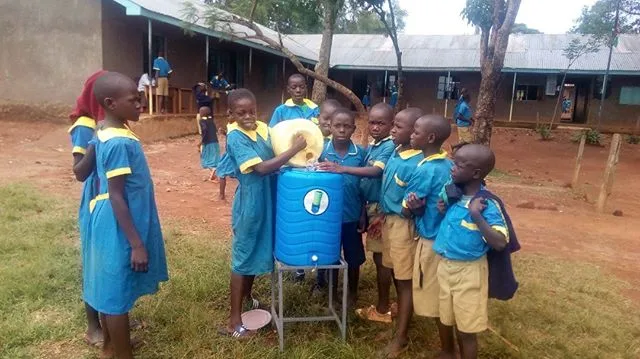
A water system can reduce the time families spend collecting water. A safe school toilet can protect dignity and attendance. A trained community committee can keep services functioning. Research can strengthen policy. Local organisations can continue serving communities long after one grant ends.
That is why Maji na Ufanisi looks beyond outputs. We examine access, use, health, inclusion, local ownership, institutional capacity, livelihoods, learning, and sustainability.
Maji na Ufanisi’s impact is not defined by one project or one county. It spans multiple forms of WASH, community development, evidence, inclusion, and institutional change.
Water systems, storage, kiosks, wells, pans, catchments, gravity schemes, and other context-appropriate technologies.
Inclusive facilities, improved management, safer public spaces, school sanitation, and community hygiene systems.
School WASH, menstrual health, hygiene education, safer facilities, and improved conditions for learner participation.
Water for households, livestock, schools, hygiene, local management, and climate-sensitive community systems.
Research, risk awareness, water security, resilient systems, and stronger local preparedness.
Facilities, education, awareness, and advocacy that help girls participate in school with confidence and dignity.
Accessible facilities, community support, participation, and programmes that recognise dignity and equal access.
Baseline studies, impact assessments, policy analysis, practical learning, and models that improve WASH delivery.
Local organisations, committees, artisans, staff, and partners equipped to manage programmes and sustain results.
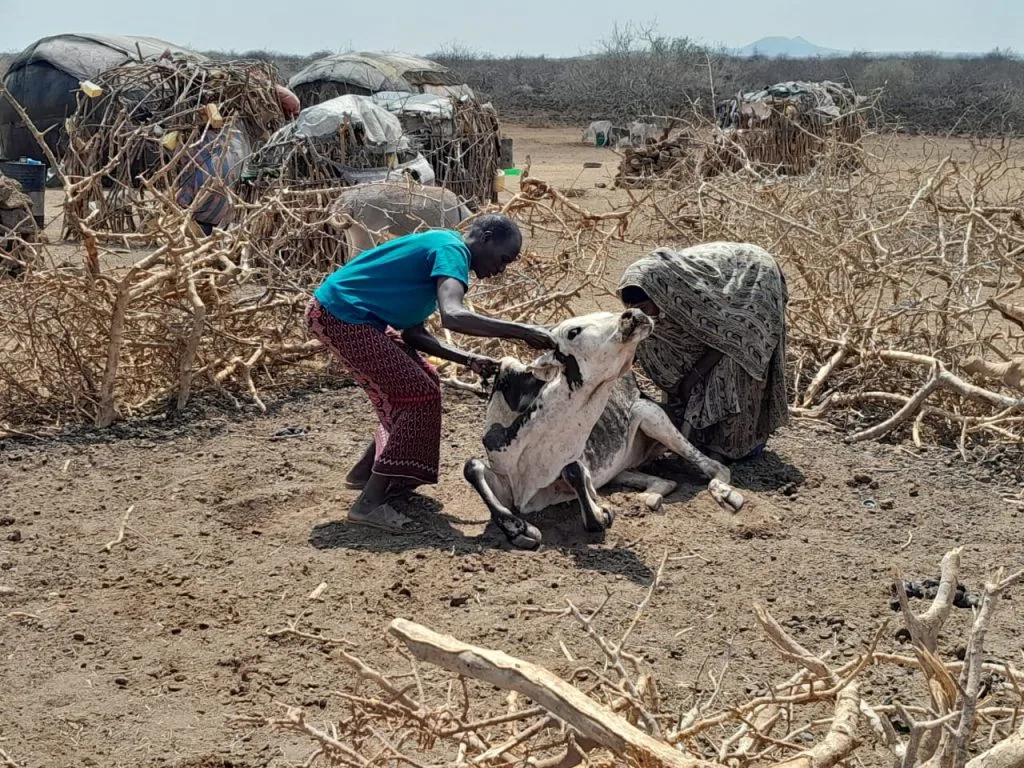
A major ASAL programme implemented with local partners documented practical gains across Marsabit, Ijara, Taita Taveta, and West Pokot.
The programme also documented local artisan training, management committees, hygiene promotion, greater water availability, increased household consumption, support for livestock, and women gaining more time for childcare and income-generating activities.
Figures in this section come from the documented ASAL programme report and should be read as programme-specific historical results.
Maji na Ufanisi’s strongest results come when infrastructure, knowledge, governance, maintenance, financing, and local ownership reinforce one another.
A facility can be completed in months. A resilient local system takes listening, training, accountability, adaptation, and long-term partnership.
These examples show the breadth of Maji na Ufanisi’s work. No single project represents the whole organisation.
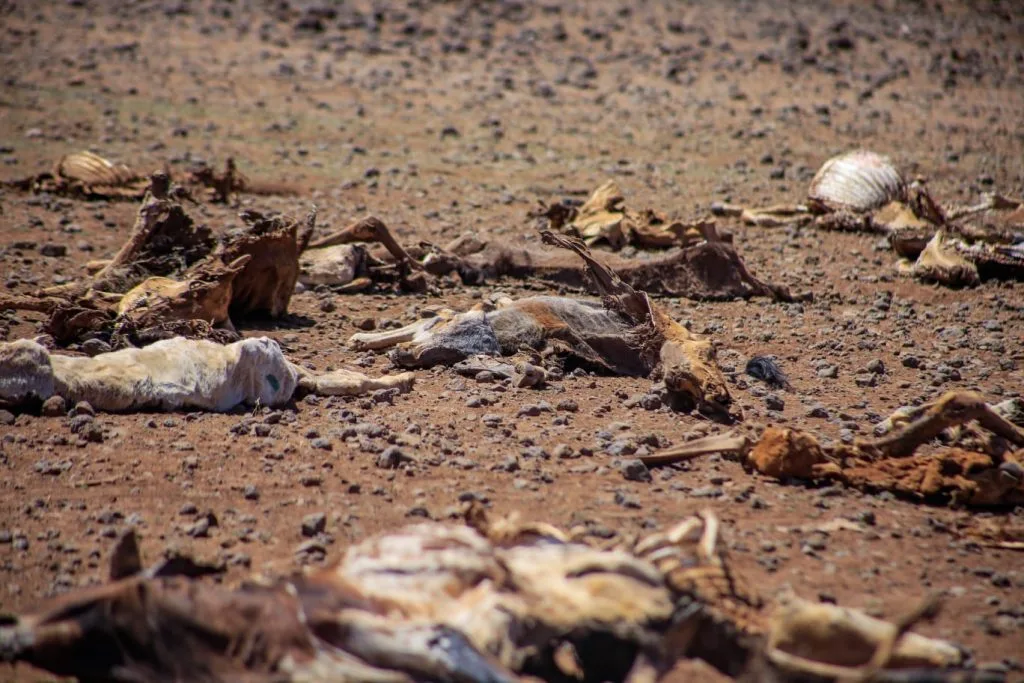
Documented programme findings showed major reductions in water-fetching time alongside stronger local water management and wider household benefits.
Explore the programme →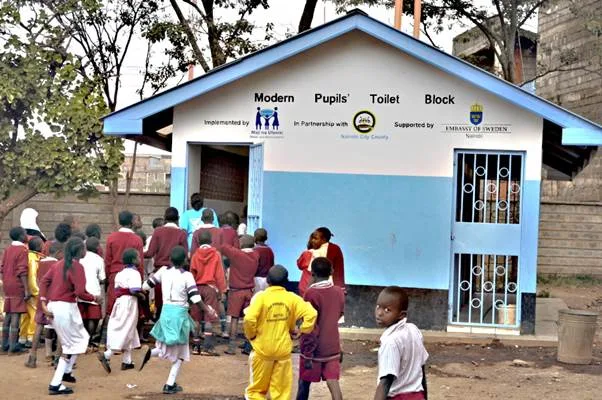
School WASH combines infrastructure, hygiene education, menstrual dignity, inclusion, and community participation to improve the learning environment.
Explore School WASH →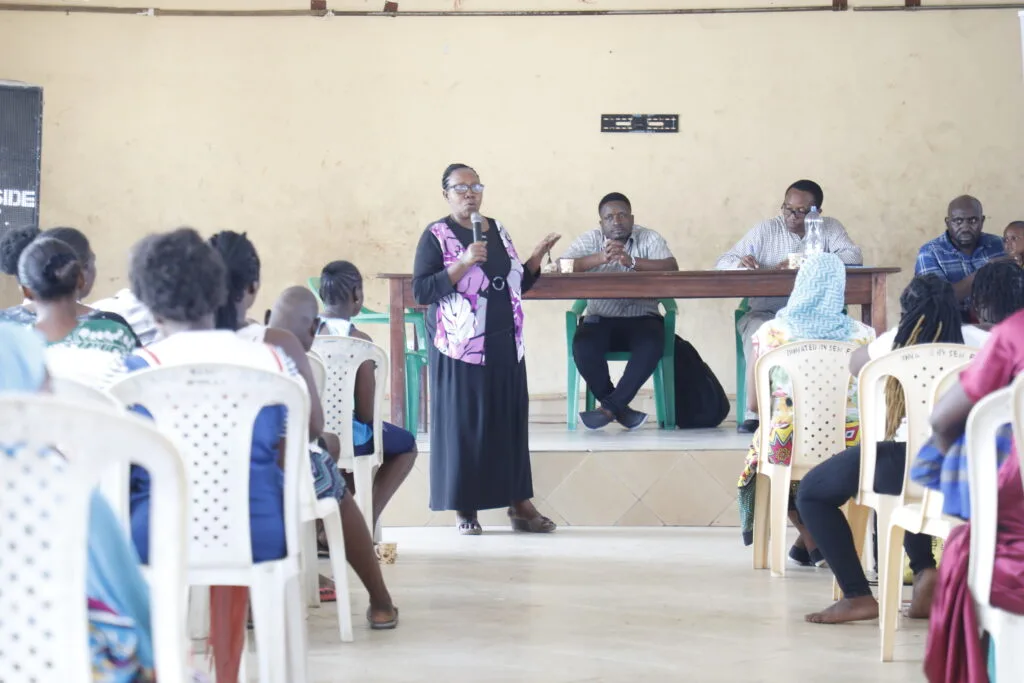
Partnership work in Jomvu links disability inclusion with community support, accessible WASH, rehabilitation, and stronger local systems.
Read the partnership story →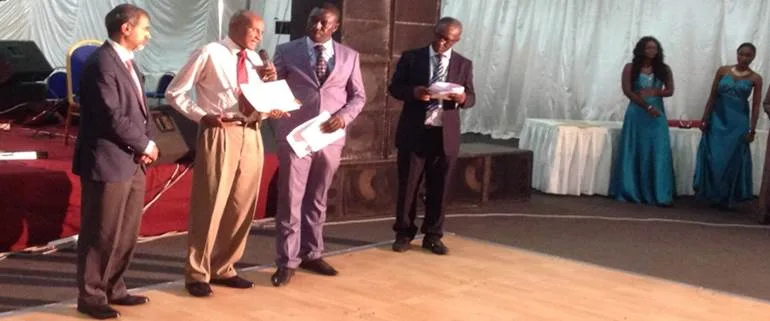
Kongowea is one documented Mombasa County success story showing how sanitation services, youth employment, inclusion, and revenue generation can reinforce one another.
Explore WASHEM →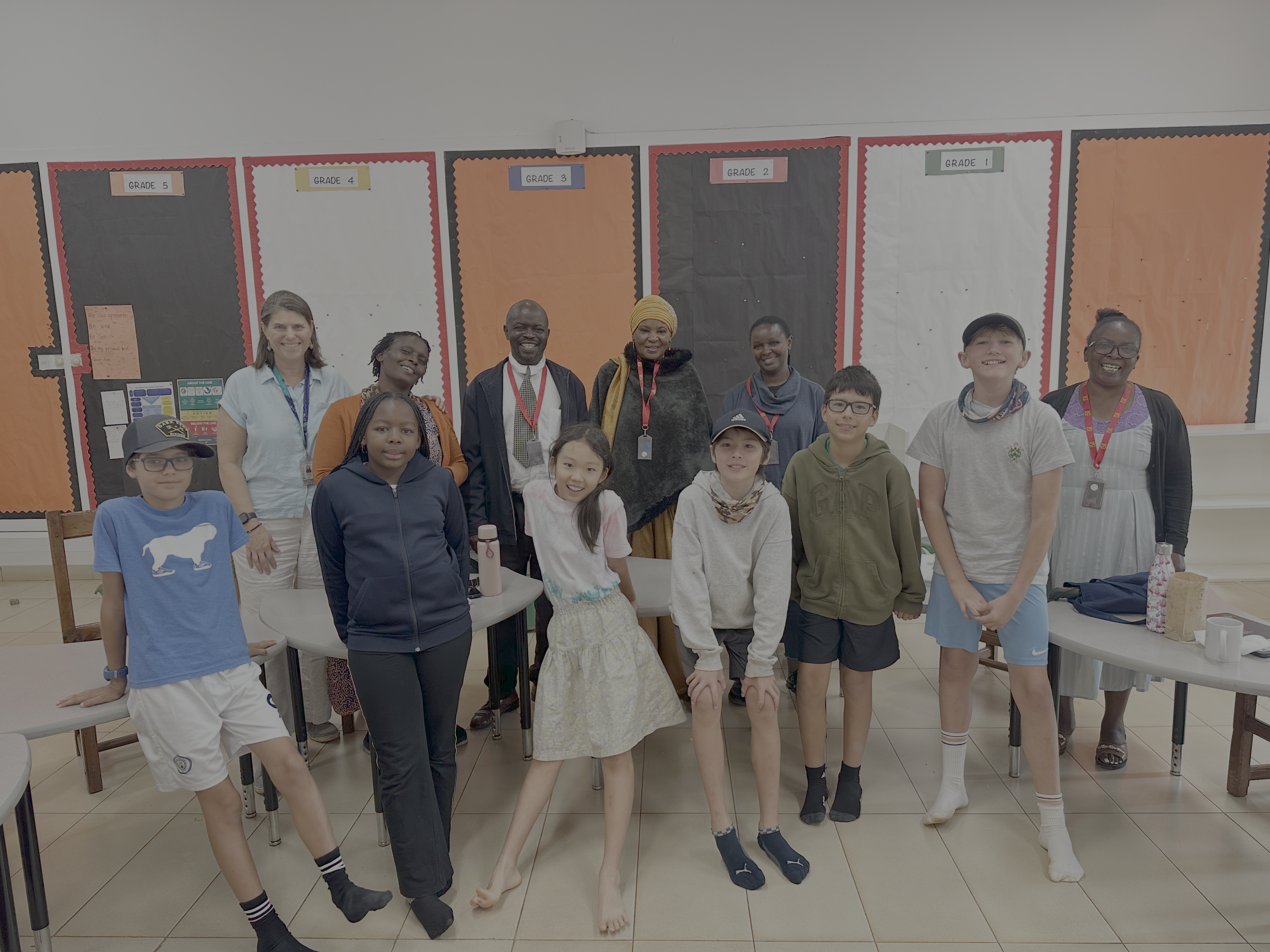
The ISK–Vision Sisters partnership demonstrates how education, advocacy, women-led WASH, and community ownership can shape future global citizens.
Read the story →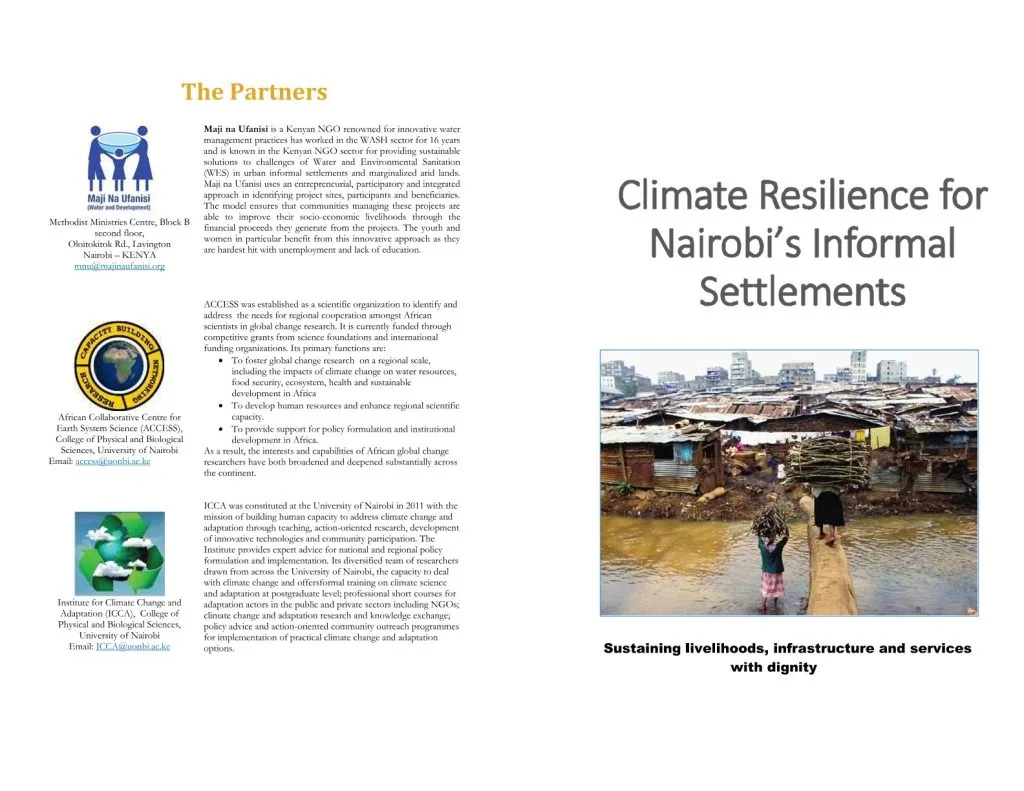
Climate and informal-settlement research helps institutions understand risks, compare options, and make better WASH and resilience decisions.
Explore Research & Innovation →Maji na Ufanisi publishes research, assessments, evaluations, and audited financial statements so communities, partners, donors, and institutions can review evidence and stewardship.
Explore baseline studies, climate resilience reports, school WASH assessments, governance studies, and other documented learning.
Independent financial statements support due diligence and help donors and partners understand organisational stewardship.
These attributable statements illustrate different forms of support and recognition. They do not represent every programme.
“We have agreed to forge a strong vibrant partnership between the County Government, Mvita Constituency and Maji na Ufanisi… to create jobs for the youth using the Kongowea WASH model.”
“I am glad to be associated with Maji na Ufanisi, the County Government of Mombasa and KOMAWASA youth, particularly through the achievement of winning this Award.”
“It’s quite very informative. Let’s support our girls for quality education and life.”
Establish conditions, needs, risks, and indicators before implementation.
Track progress, use, inclusion, functionality, participation, and implementation quality.
Assess outcomes, sustainability, lessons, unintended effects, and areas for improvement.
Listen to the people using, managing, and living with the results of programmes.
Use audited reporting and documented stewardship to support donor confidence.
Use evidence to strengthen project design, implementation, advocacy, and partnership.
Translate field evidence into dialogue, planning, and stronger sector decisions.
Share selected research, impact assessments, and financial reports publicly.
Figures such as 101 water structures and the ASAL water-fetching changes relate to specific documented programmes and periods.
Maji na Ufanisi was registered on 9 December 1997. This date refers to the organisation’s history and should not be interpreted as the starting date for the cumulative financial figures presented on this page.
Proposal estimates are not presented as completed impact. They should only be used when clearly labelled as projections.
Financial figures presented on this page begin in 2006, the starting point of the audited records used for these cumulative totals. The financial figures therefore cover the period from 2006 to 2025.
Partner with Maji na Ufanisi to expand community-led WASH, school health, climate resilience, inclusion, research, and local capacity across Kenya.