Water for All
Our vision expresses a future where every person can access safe water, dignified sanitation and the conditions needed for healthy, resilient living.
Founded in 1997, Maji na Ufanisi is a Kenyan water and development organisation working with communities, institutions and partners to advance safe water, dignified sanitation, better health, climate resilience and inclusive development.
Guided by our vision, “Water for All,” we work to strengthen Kenya’s water, sanitation and hygiene sector through resilience, governance, knowledge management and best practice.
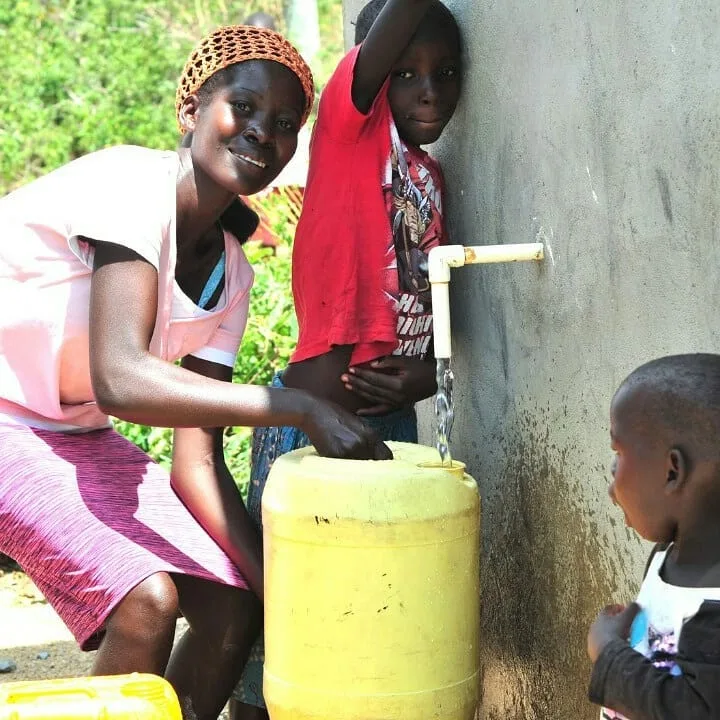
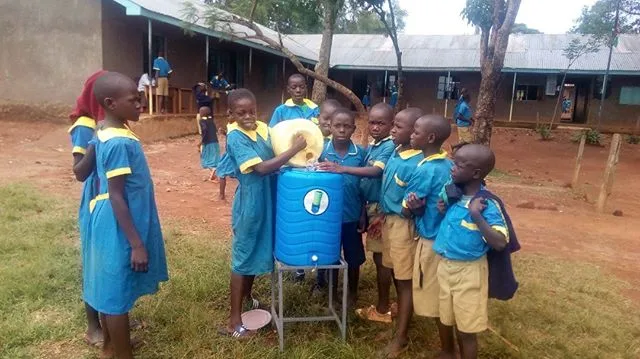
Maji na Ufanisi works alongside communities rather than around them. Local priorities, lived experience, existing systems and long-term ownership shape project design and delivery.
Our work connects infrastructure with behaviour change, institutional strengthening, public participation, research, advocacy and practical learning.
These formal statements guide our programmes, partnerships, research, advocacy and accountability.
Our vision expresses a future where every person can access safe water, dignified sanitation and the conditions needed for healthy, resilient living.
“To be a leader in the water and sanitation sector (WASH), influencing resilience, governance, knowledge management, and promoting best practices in environmental sanitation in Kenya.”
Understand who we are, what we can deliver, how we work and how we account for results.
Technical expertise, systems, partnerships and delivery readiness.
Community contexts and geographic reach across Kenya.
Governance, structure, accountability and identity.
From assessment and co-design to monitoring and sustainability.
The principles that guide programs and partnerships.
Impact assessments and audited financial reports.
Credible development work requires governance, management, technical oversight, community accountability and reliable systems. Board and governance names should be published once Maji na Ufanisi confirms the current approved list.
Oversight, accountability and strategic direction.
Program, operational and partnership coordination.
WASH, community development, research and advocacy expertise.
Local stakeholders support planning, delivery and sustainability.
Maji na Ufanisi combines community relationships, technical understanding, partnership experience and implementation systems.
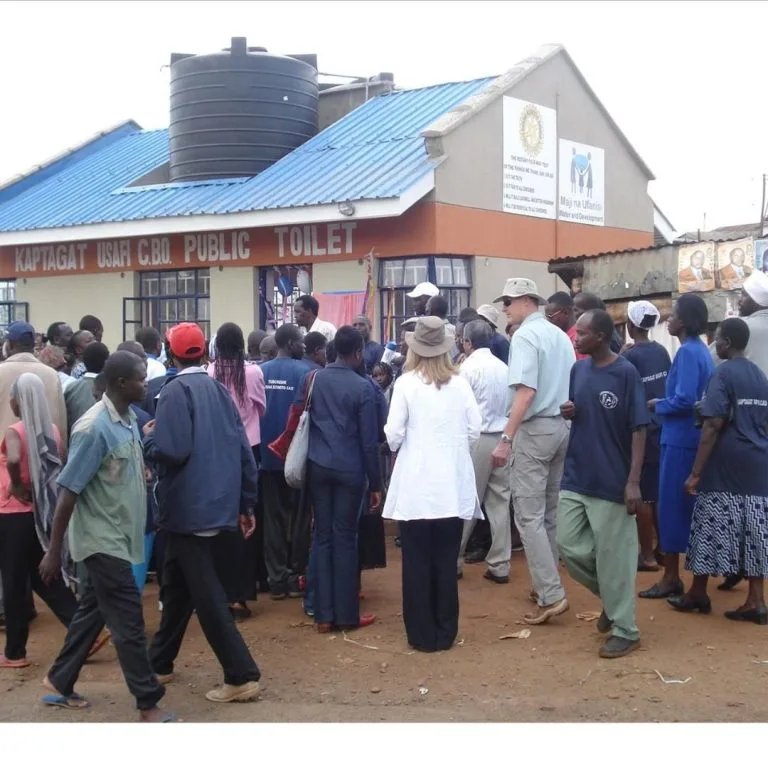
Maji na Ufanisi works across urban settlements, schools, rural areas, coastal communities and arid and semi-arid regions.
1997
The year Maji na Ufanisi was foundedMaji na Ufanisi’s history spans rural and ASAL water systems, urban sanitation, school WASH, menstrual health, climate resilience, disability inclusion, research, advocacy and institutional strengthening.
Explore Our Impact →Maji na Ufanisi begins its Kenyan water, sanitation and development journey.
Community water structures, partner capacity building, hygiene promotion and local management systems expand.
The organisation strengthens inclusive WASH, youth engagement, school health and menstrual dignity.
The Kongowea WASHEM initiative becomes one notable success story within a much broader portfolio.
Evidence generation, adaptation, policy engagement and programme learning become more prominent.
Disability inclusion, school partnerships, fiscal sponsorship and multi-sector collaboration continue to expand.
A strong project is understood, owned, maintained, monitored and improved.
Practical delivery, community agency, evidence, partnership and resilience guide our programs.
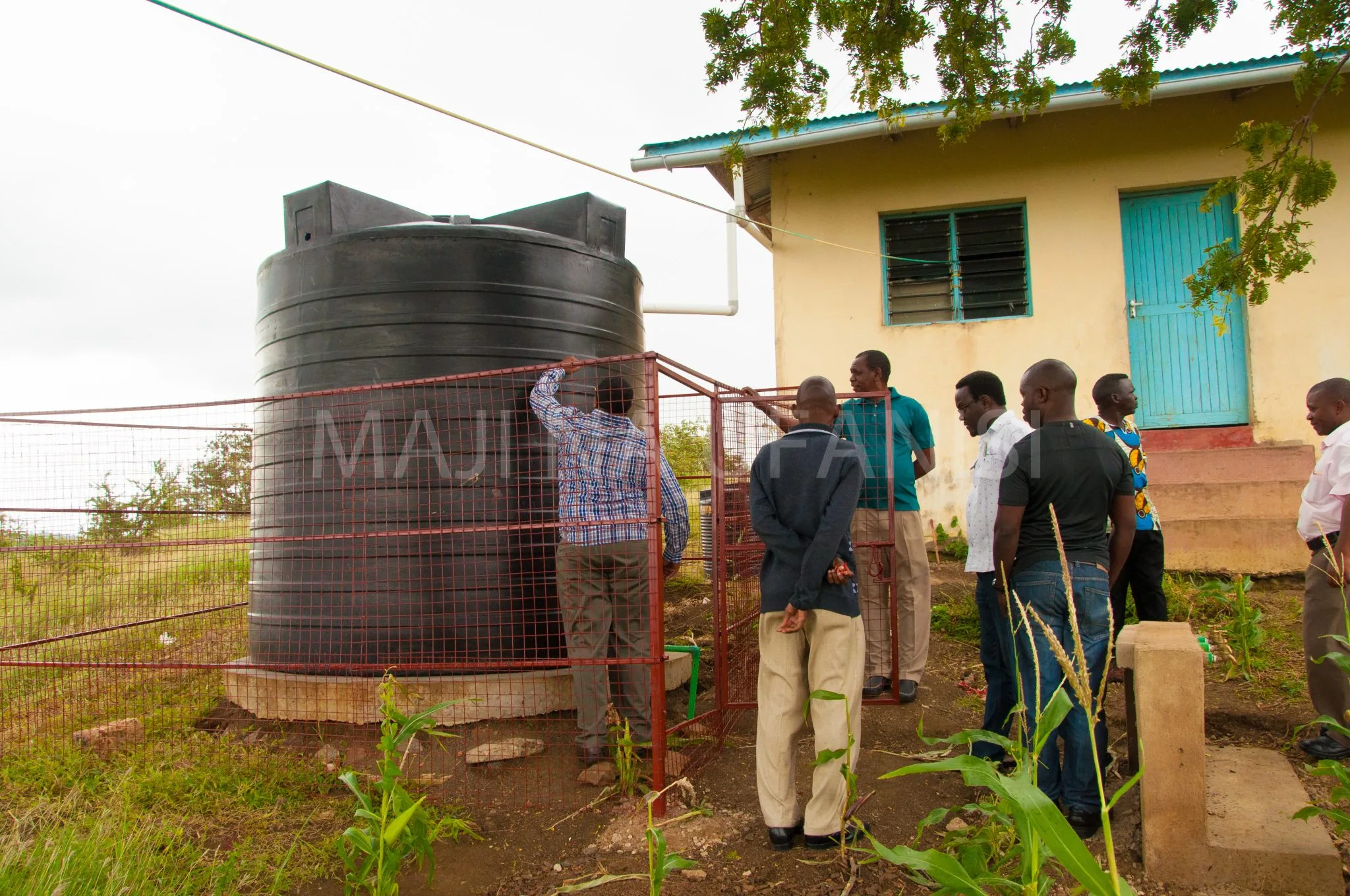
Communities help define priorities and protect long-term value.
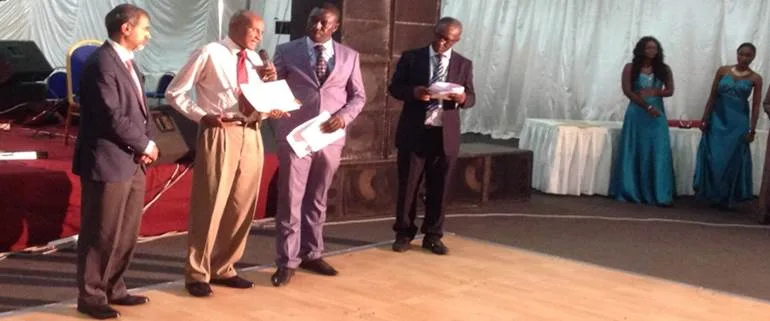
Research and engagement support stronger systems.
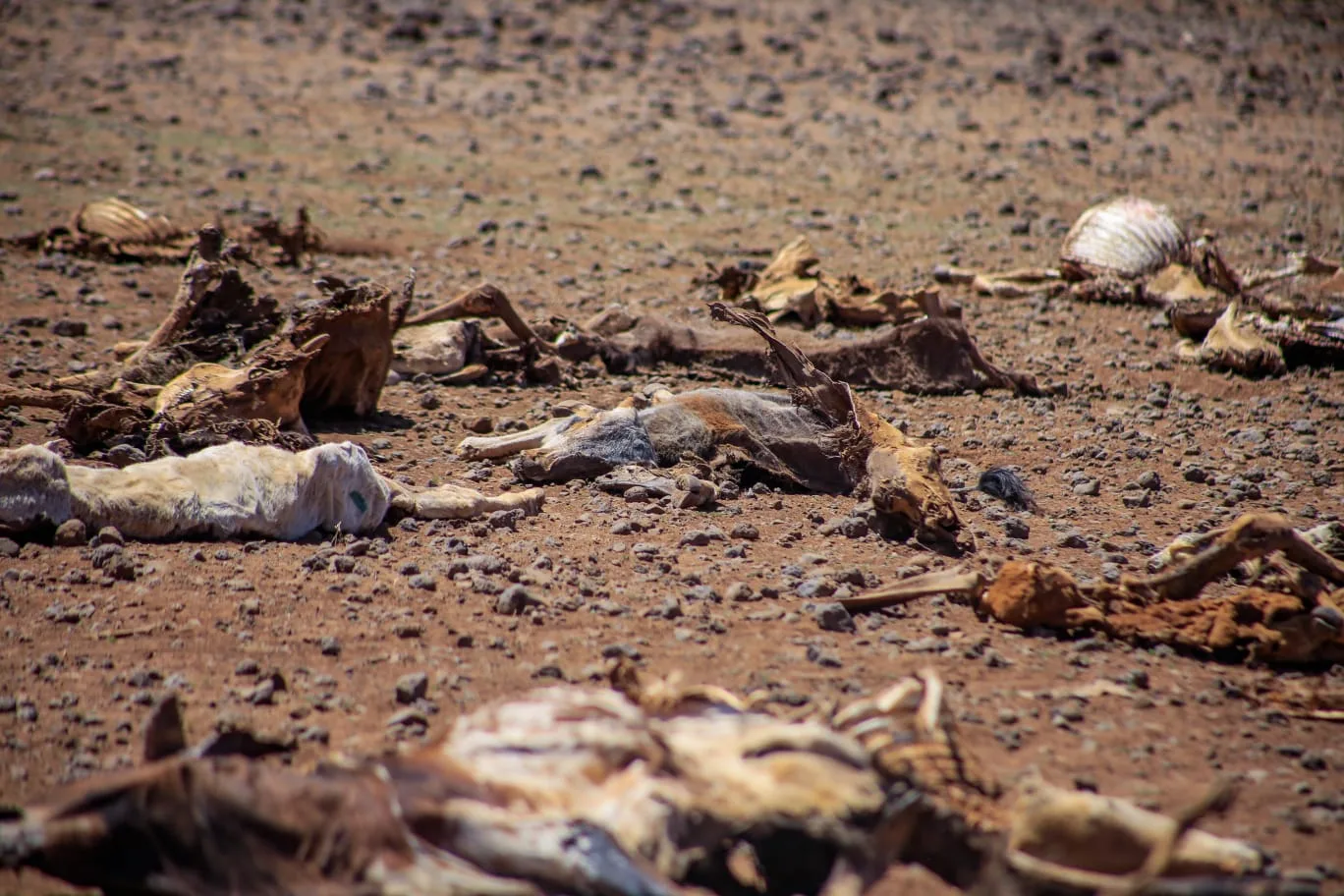
Projects consider water security and future climate risk.
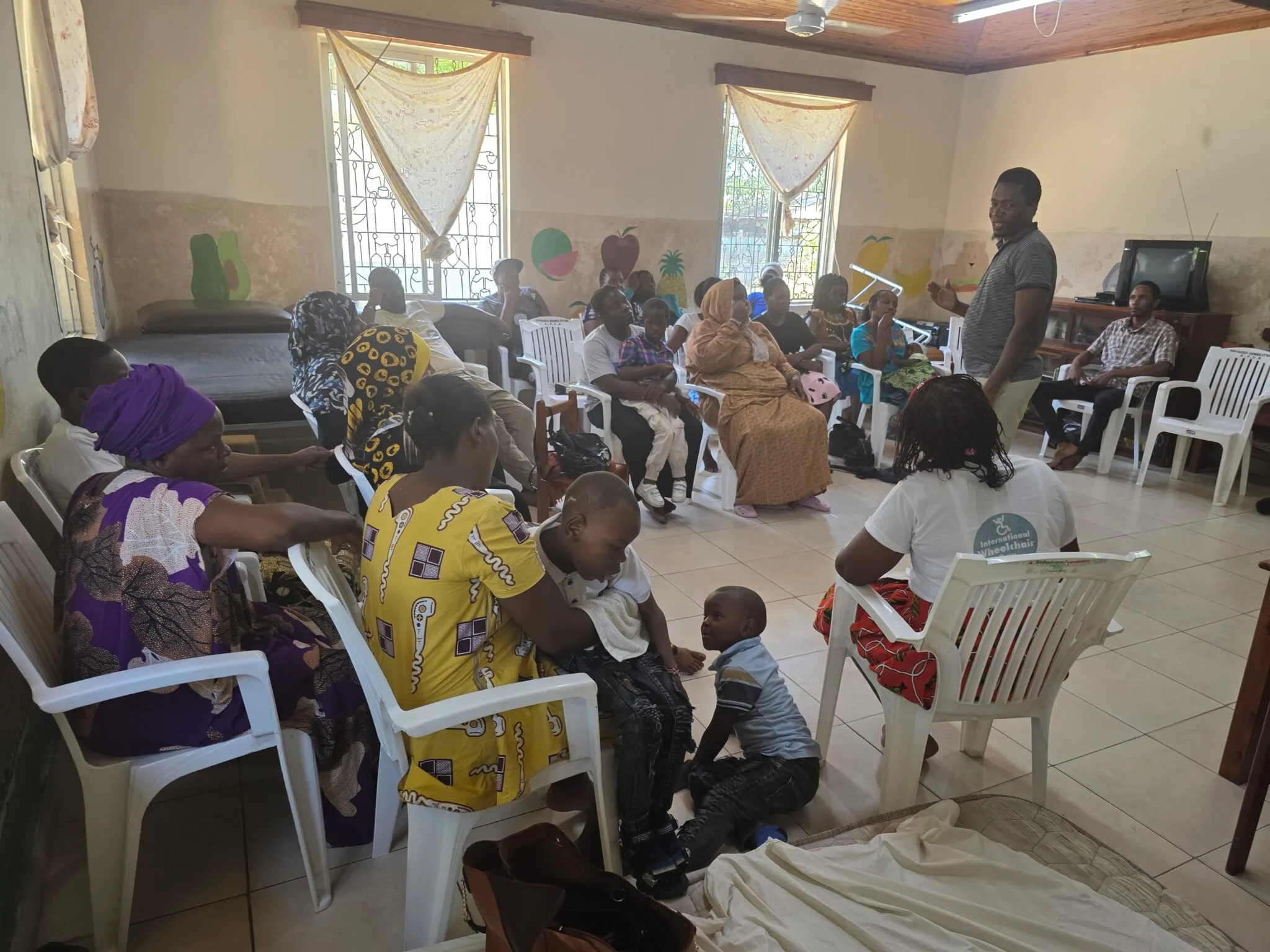
Underserved groups must participate and benefit.
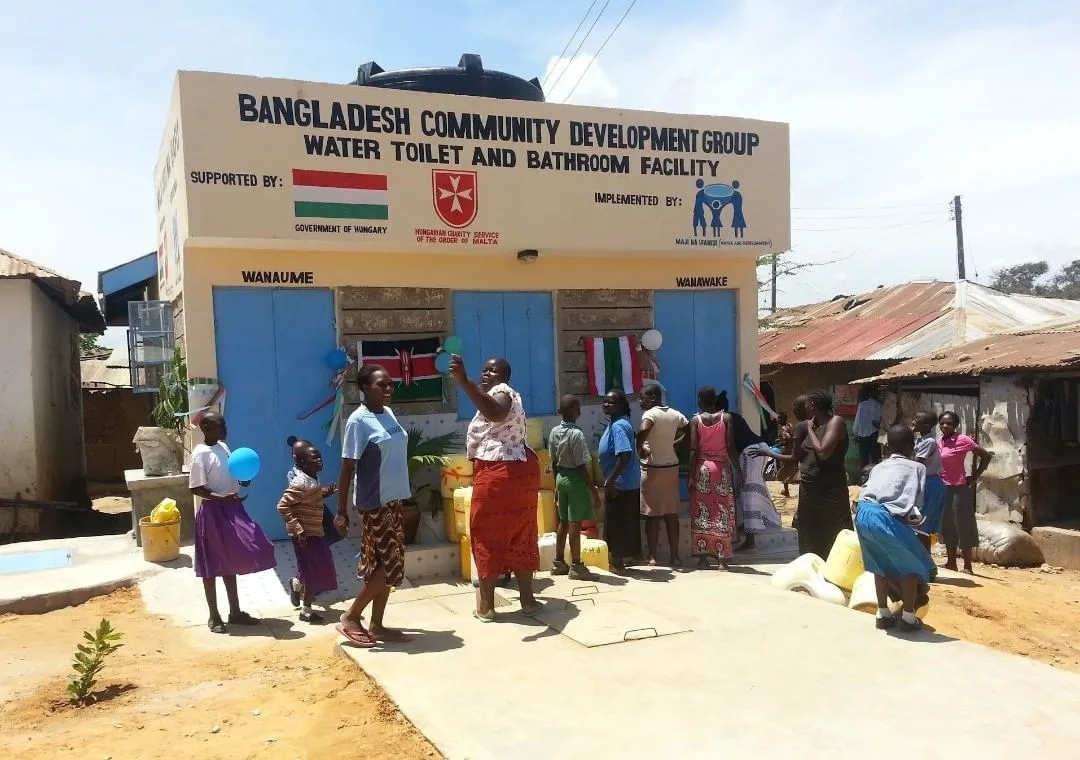
Institutions and communities expand what is possible.
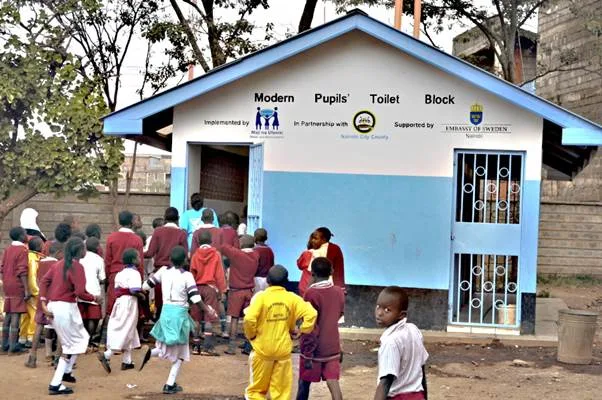
Maintenance and local capacity are built into delivery.
These pages give donors, partners and communities a deeper view of results, research and practical innovation.
Explore measurable results, success stories and documented community change.
View Our Impact →Discover how evidence, learning and innovation strengthen WASH decisions.
Explore Research →Explore one notable Mombasa County success story linking sanitation, youth employment and social enterprise.
Explore WASHEM →Impact assessments and audited financial statements help donors, communities and partners understand outcomes and stewardship.
Review baseline studies, climate resilience research, school WASH assessments and governance and sanitation reports.
Financial reporting supports donor confidence, due diligence and organisational accountability.
Maji na Ufanisi supports due diligence through accessible evidence, documented learning and transparent reporting.
Foundations, companies, agencies, government institutions, schools, community organisations and individual donors can all find a clear path to collaboration.