Technical and operational capacity
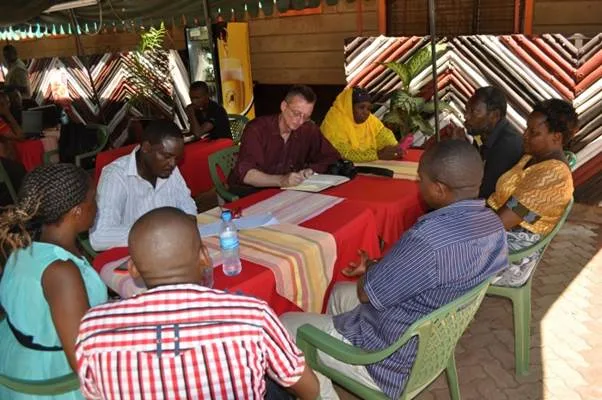
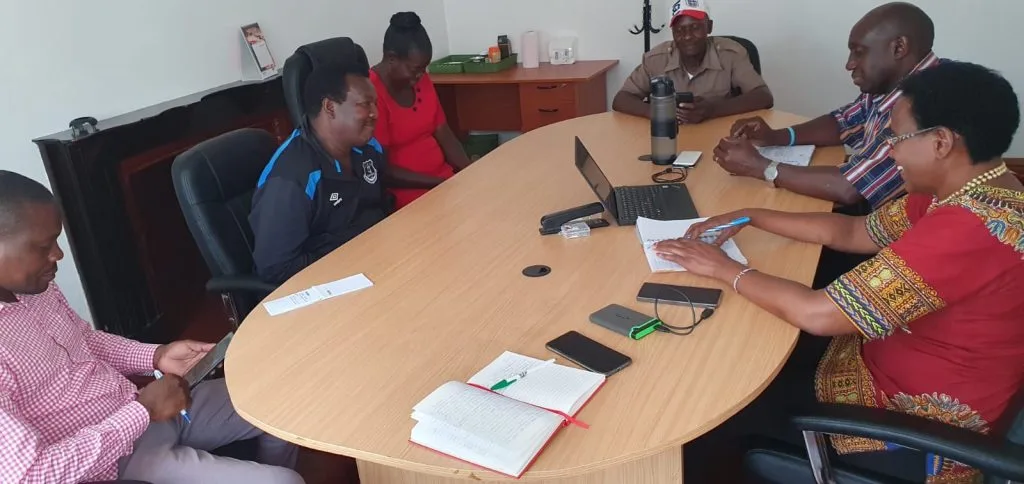
Our teams connect programme strategy with practical field execution, coordinating technical, community, stakeholder, and reporting requirements.
Maji na Ufanisi combines community trust, technical WASH expertise, institutional systems, financial accountability, research, learning, and partnership management to design and deliver sustainable development programmes across Kenya.


Our strength lies in combining technical expertise with local knowledge, trusted relationships, institutional discipline, and a practical understanding of what makes projects work beyond the funding cycle.
Maji na Ufanisi can support programme design, community mobilization, implementation, monitoring, evaluation, research, advocacy, learning, and scale-up. This allows partners to work with one organization across the full project lifecycle.
Our institutional strength allows us to respond to complex community needs with integrated rather than isolated solutions.
Community water access, rehabilitation, planning, management structures, and sustainability support.
Context-specific sanitation improvement for schools, communities, urban settlements, and vulnerable populations.
Behaviour change, community education, school hygiene, and practical risk reduction.
Dignity-centred programming, school participation, awareness, facilities, and menstrual health education.
Water security and adaptation approaches for arid, semi-arid, rural, and climate-vulnerable communities.
Evidence generation, policy engagement, learning, documentation, and amplification of community priorities.
Inclusive project design that recognizes access, dignity, participation, and diverse community needs.
Capacity building for community organizations, local systems, governance, accountability, and sustainability.
Coordination across communities, government, funders, technical actors, schools, and civil society.
Maji na Ufanisi can support every stage while maintaining continuity, context, accountability, and community ownership.


Our teams connect programme strategy with practical field execution, coordinating technical, community, stakeholder, and reporting requirements.


We integrate gender, disability inclusion, dignity, participation, and safeguarding into programme planning and implementation.


Strong financial controls, donor compliance, budgeting, documentation, and reporting support responsible stewardship.


We work across community, government, civil society, institutional, and technical stakeholders to align roles and sustain results.
Our work connects resources and expertise to practical action, stronger local systems, improved services, and healthier, more resilient communities.
Our MEL capacity helps partners understand whether projects are progressing, what outcomes are emerging, where adjustments are needed, and what can be learned for future programming.
This creates a feedback loop between field realities, programme decisions, donor accountability, and long-term improvement.
Local context, community engagement, programme delivery, evidence, and system strengthening.
Field implementation, partner coordination, contextual adaptation, monitoring, and reporting.
Due diligence, project delivery, financial accountability, learning, and impact evidence.
CSR project design, school and community sponsorship, visibility, and measurable outcomes.
Participatory planning, practical infrastructure, hygiene promotion, and local ownership.
Field access, community insight, data collection, policy engagement, and evidence translation.
“Maji na Ufanisi has transformed our community by providing access to clean water and sanitation. Before their intervention, we struggled with waterborne diseases and inadequate sanitation facilities. Now, we can live healthier and more dignified lives.”
“As a partner of Maji na Ufanisi, I have witnessed firsthand their impact on the ground. Their team is dedicated to finding sustainable solutions to Kenya’s water and sanitation crisis.”
“Before, we had to walk long distances to collect water from a polluted river. Now, we have a well that provides safe and clean water. We also received training on good hygiene.”
Work with Maji na Ufanisi to design, implement, monitor, evaluate, and strengthen sustainable water, sanitation, hygiene, climate resilience, inclusion, and community development programmes.