WHO
WASH protects health and dignity
WHO identifies safe drinking water, sanitation, and hygiene as foundations for health, well-being, dignity, livelihoods, and resilient communities.
Read WHO guidance →
Maji na Ufanisi works with communities in Kenya’s arid, semi-arid, and rural areas to strengthen access to safe water, dignified sanitation, practical hygiene, and climate-resilient local systems.
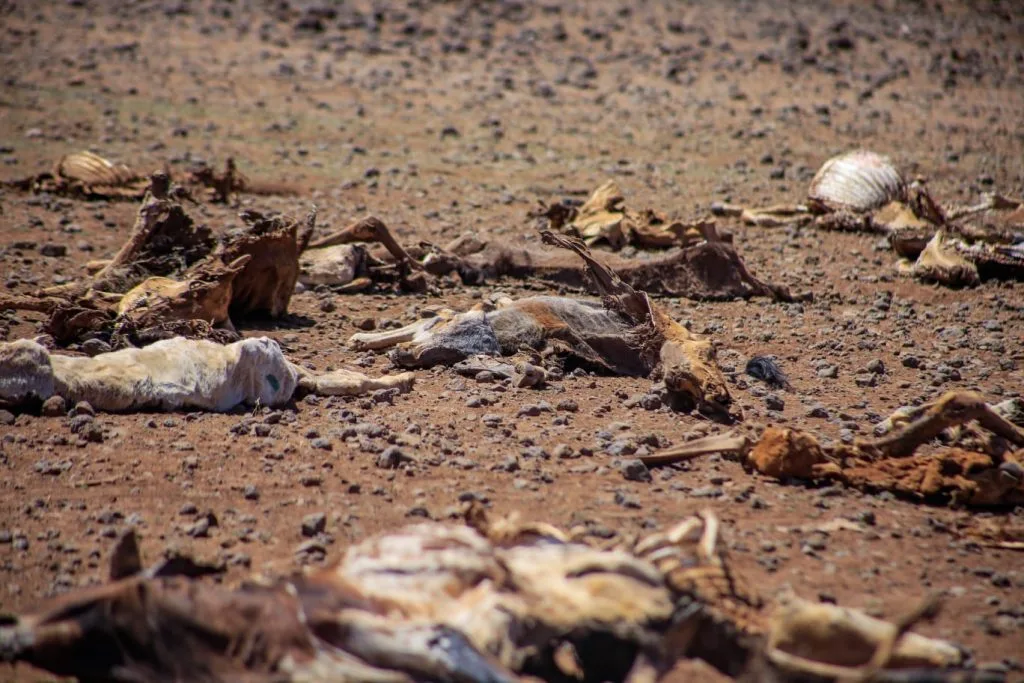
In rural and ASAL communities, families may travel long distances for water, depend on unsafe sources, or lose access when drought, infrastructure failure, or seasonal change disrupts supply.
The World Health Organization recognises safe water, sanitation, and hygiene as essential to health, dignity, livelihoods, school attendance, and resilient communities. UNICEF also notes that rural children and people affected by climate change face a greater risk of being cut off from safe WASH services.
Maji na Ufanisi combines local knowledge with credible guidance from global institutions working on public health, water security, climate resilience, and sustainable development.
WHO identifies safe drinking water, sanitation, and hygiene as foundations for health, well-being, dignity, livelihoods, and resilient communities.
Read WHO guidance →UNICEF highlights that children in rural areas and climate-affected places are more likely to lack safe water and sanitation.
Explore UNICEF WASH →United Nations Sustainable Development Goal 6 calls for universal and equitable access to safe water, sanitation, and hygiene.
View SDG 6 →World Bank resources document that more than 80% of Kenya’s land is classified as arid or semi-arid, underlining the need for resilient systems.
Read the ASAL report →Long dry periods can reduce surface water, weaken shallow sources, and increase pressure on households and livestock.
Women and children may spend hours collecting water, reducing time for education, care, and livelihoods.
When protected sources fail, households may depend on contaminated surface water or poorly maintained alternatives.
Limited toilets, poor waste management, and open defecation increase health risks and reduce dignity and safety.
Systems can stop working when spare parts, technical skills, financing, or clear maintenance responsibility are missing.
Remote households, pastoralist groups, women, older people, and persons with disabilities can be excluded from services.
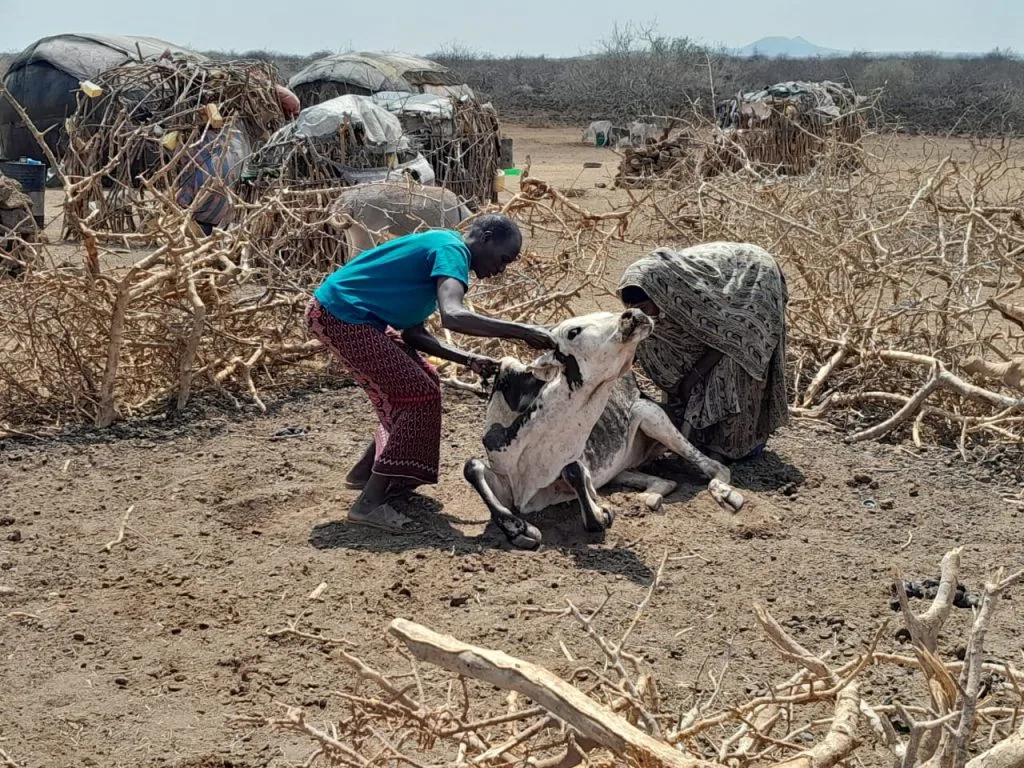
We begin with local water realities: source reliability, distance, seasonal demand, water quality, livestock needs, household use, climate risk, and the capacity to operate and maintain the system.
Depending on context and technical assessment, solutions may include source protection, rainwater harvesting, storage, rehabilitation, distribution improvements, water conservation, and stronger community management.
We support locally appropriate sanitation approaches that reduce exposure to human waste, discourage open defecation, protect groundwater and surface water, and improve privacy and safety.
We promote handwashing, safe water handling, household cleanliness, food hygiene, and disease-prevention practices through locally relevant education and community leadership.
We strengthen water committees, clarify user responsibilities, improve financial accountability, support maintenance planning, and encourage meaningful participation by women and underserved groups.
Where appropriate, reliable water can support livestock care, small-scale food production, household enterprises, and other activities that strengthen resilience without undermining domestic water needs.
Rural WASH investments can fail when systems are built without realistic plans for operation, repairs, water quality, financing, drought, and inclusive governance.
Maji na Ufanisi places sustainability at the centre—from the first assessment to post-project monitoring—so communities are better prepared to manage assets, respond to breakdowns, and make fair decisions during scarcity.
Households gain more dependable access to protected water for essential daily needs.
Reduced collection time can support school attendance, care, rest, and livelihoods.
Safe water, sanitation, and hygiene can reduce exposure to preventable disease.
Communities are better positioned to manage scarcity and protect household well-being.
Women and girls benefit from safer, closer, and more private WASH services.
Transparent community systems support accountable decisions and equitable access.
Maintenance planning and local skills help protect infrastructure investments.
Monitoring creates evidence for learning, accountability, and future improvement.
Your partnership can support climate-resilient water access, safe sanitation, hygiene education, inclusive governance, local maintenance, and stronger community systems in Kenya’s rural and ASAL areas.