PPP
Public-private partnership
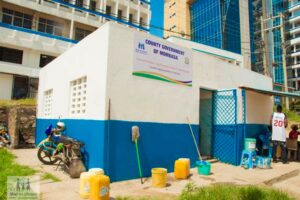
County governments, public entities, private-sector actors, and development partners combine land, funding, technical support, and institutional responsibility.
WASHEM brings together public-private partnership, public participation, social enterprise, inclusion, youth employment, and long-term facility management to improve access to safe and dignified WASH services.
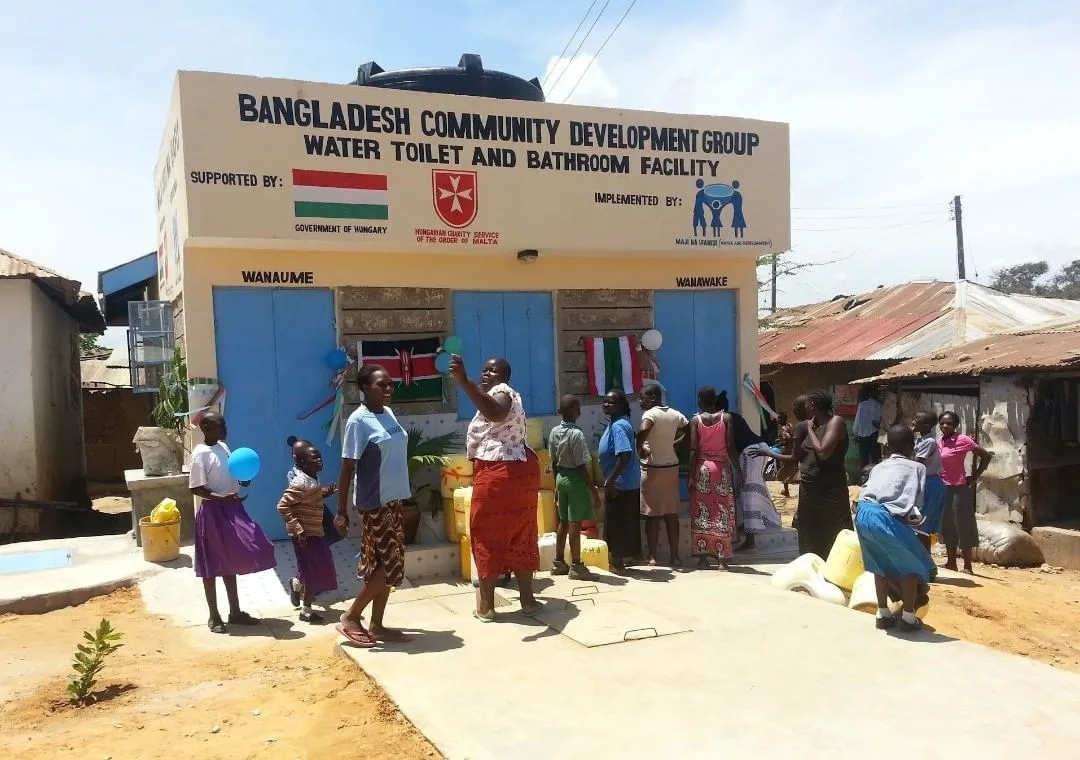
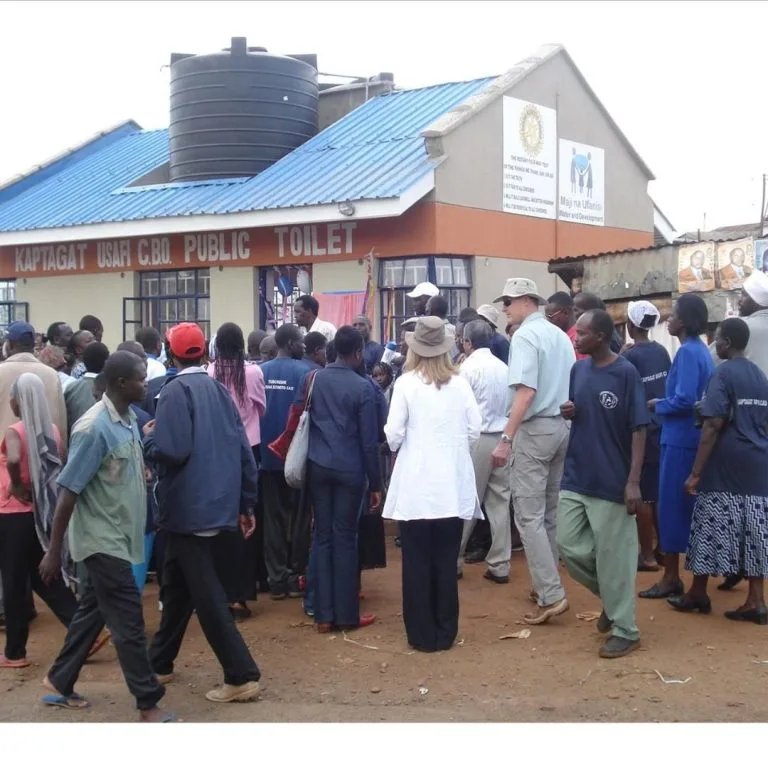
WASHEM responds to a familiar challenge: a facility may be built, but without maintenance, management, financing, public participation, and accountability, it can quickly stop serving the people it was meant to help.
The model shifts attention from infrastructure alone to sustainable service delivery. It connects government responsibility, private-sector participation, community ownership, local enterprise, hygiene practice, and inclusive design.
The WASHEM innovation is built around three connected models that make long-term WASH service delivery more realistic.
County governments, public entities, private-sector actors, and development partners combine land, funding, technical support, and institutional responsibility.
Communities help identify needs, shape facility design, understand responsibilities, and support accountability, use, and local ownership.
Facilities generate revenue while supporting local employment, youth rehabilitation, training, mentorship, and long-term operation and maintenance.
The documented engagement model follows a clear sequence that brings together government, Maji na Ufanisi, investors, communities, and local operators.
Clean, functional, and accessible WASH facilities for women, children, persons with disabilities, traders, commuters, and the general public.
Local youth gain employment, business skills, mentorship, and opportunities to strengthen their livelihoods.
User fees create a revenue stream that can support cleaning, supplies, repairs, staffing, and continued operation.
Public-private collaboration can reduce pressure on county budgets while improving the quality of services.
WASH services are reinforced through hygiene education and links with health, schools, communities, and public institutions.
Universal design and participatory planning help address privacy, accessibility, safety, and dignity.
Communities participate as users, workers, managers, and accountability actors—not passive recipients.
The model can incorporate renewable energy, better waste management, and greener facility design.
These examples show how WASHEM can be adapted across different urban and public-space contexts while preserving the same core principles: community ownership, safe sanitation, enterprise management, inclusion, and long-term maintenance.
Kongowea remains historically important because it demonstrated the potential of youth-led, community-managed sanitation in a major public market in Mombasa County.
The documented pilot reported 60 rehabilitated public toilets, more than 100 youth and women employed, and over 30,000 daily users. It later received AfricaSan recognition and helped strengthen public confidence in the model.
No Kongowea image is displayed here because a verified project photograph has not yet been supplied.
A small user fee helps fund cleaning, supplies, repairs, staff, and continued service.
Government, communities, private actors, and technical partners contribute different strengths.
Community involvement strengthens trust, relevance, use, and accountability.
Facilities must remain safe, clean, accessible, private, and responsive to different user needs.
Clear MoUs, land arrangements, roles, safeguards, and transfer terms reduce uncertainty.
WASHEM places special attention on women, girls, youth, children, and persons with disabilities because poor facility design often affects them most.
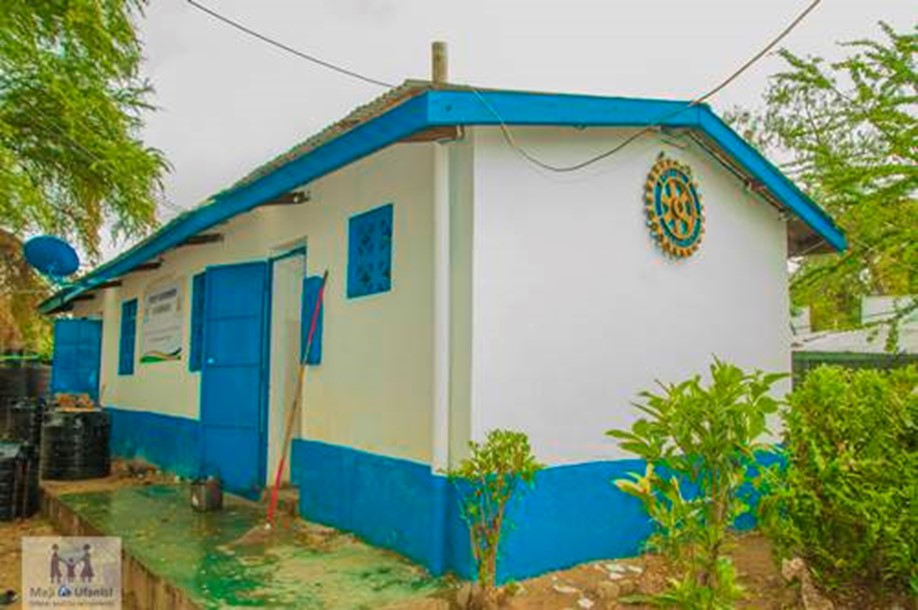
A facility without management, financing, maintenance, and accountability can quickly fail.
Revenue generation can help sustain services while creating jobs and strengthening local livelihoods.
Community involvement helps facilities respond to real needs and strengthens ownership.
Accessibility, privacy, security, and dignity rarely happen by accident.
Government, investors, implementers, and communities need clear roles and agreements.
Documented results, risks, and lessons help partners decide where and how to adapt the model.
“We have agreed to forge a strong vibrant partnership between the County Government, Mvita Constituency and Maji na Ufanisi… to create jobs for the youth using the Kongowea WASH model.”
“I am glad to be associated with Maji na Ufanisi, the County Government of Mombasa and KOMAWASA youth, particularly through the achievement of winning this Award.”
“The County Government is pleased to be associated with a project that generates over Ksh 1,000,000 per month… and demonstrates job creation, economic empowerment and scholarships for persons with disabilities.”
A successful scale-up requires the right public institution, secure land arrangements, realistic demand, inclusive design, financing, capable operators, accountability, and long-term maintenance planning.
The 60 facilities, 100+ jobs, and 30,000+ daily users relate to the documented Kongowea/Mombasa case.
The three models, engagement steps, benefits, and sustainability pillars describe the wider WASHEM framework.
Results from one context should not be assumed elsewhere without assessment, adaptation, formal partnership, and realistic financing.
Maji na Ufanisi welcomes conversations with county governments, public institutions, funders, private-sector partners, researchers, and community organisations interested in adapting the WASHEM approach responsibly.